Costa Rica is one of the world's most celebrated destinations for ecotourism — and for good reason. Despite covering just 0.03% of the planet's surface, this tiny Central American country shelters nearly 6% of the world's biodiversity. Much of that is thanks to an extraordinary commitment to conservation: today, roughly 28% of Costa Rica's territory is protected as national parks, wildlife refuges, and biological reserves.
Whether you're planning your first trip or returning to explore a new corner of the country, Costa Rica's national parks should be at the top of your list. From wildlife-packed rainforests to towering volcanoes and Caribbean coral reefs, there's no shortage of jaw-dropping experiences.

How many National Parks are there in Costa Rica?
Costa Rica has 28 national parks, along with 58 wildlife refuges, 30 protected zones, and dozens of private reserves — making it one of the most protected countries on Earth. Three of these parks have been designated UNESCO World Heritage Sites: Cocos Island National Park, Area de Conservación Guanacaste, and La Amistad International Park.
Not all parks are created equal in terms of visitor infrastructure or wildlife density, but every single one is worth your time. Below, we've selected the best national parks in Costa Rica for first-time and returning visitors alike — curated by people who live and work here.
Table of contents:
- 1. Manuel Antonio National Park
- 2. Arenal Volcano National Park
- 3. Corcovado National Park
- 4. Tortuguero National Park
- 5. Monteverde Cloud Forest Reserve
- 6. Rincón de la Vieja National Park
- 7. Cahuita National Park
- 8. Chirripó National Park
- 9. Marino Ballena National Park
- Tips for Visiting Costa Rica's National Parks
- Why Visit Costa Rica's National Parks?




1. Manuel Antonio National Park
Best for: Families, beach lovers, first-time visitors | Region: Central Pacific Coast
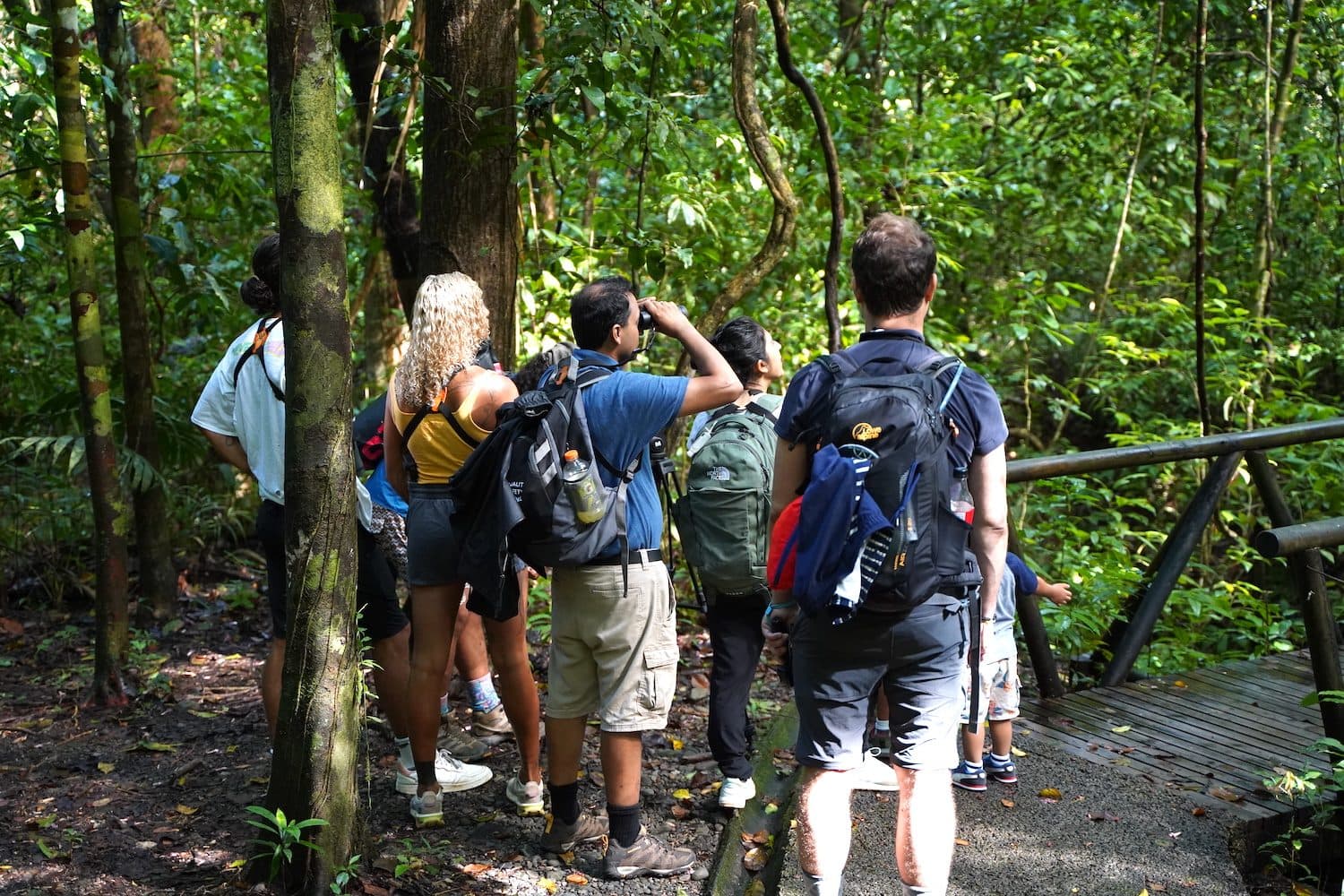
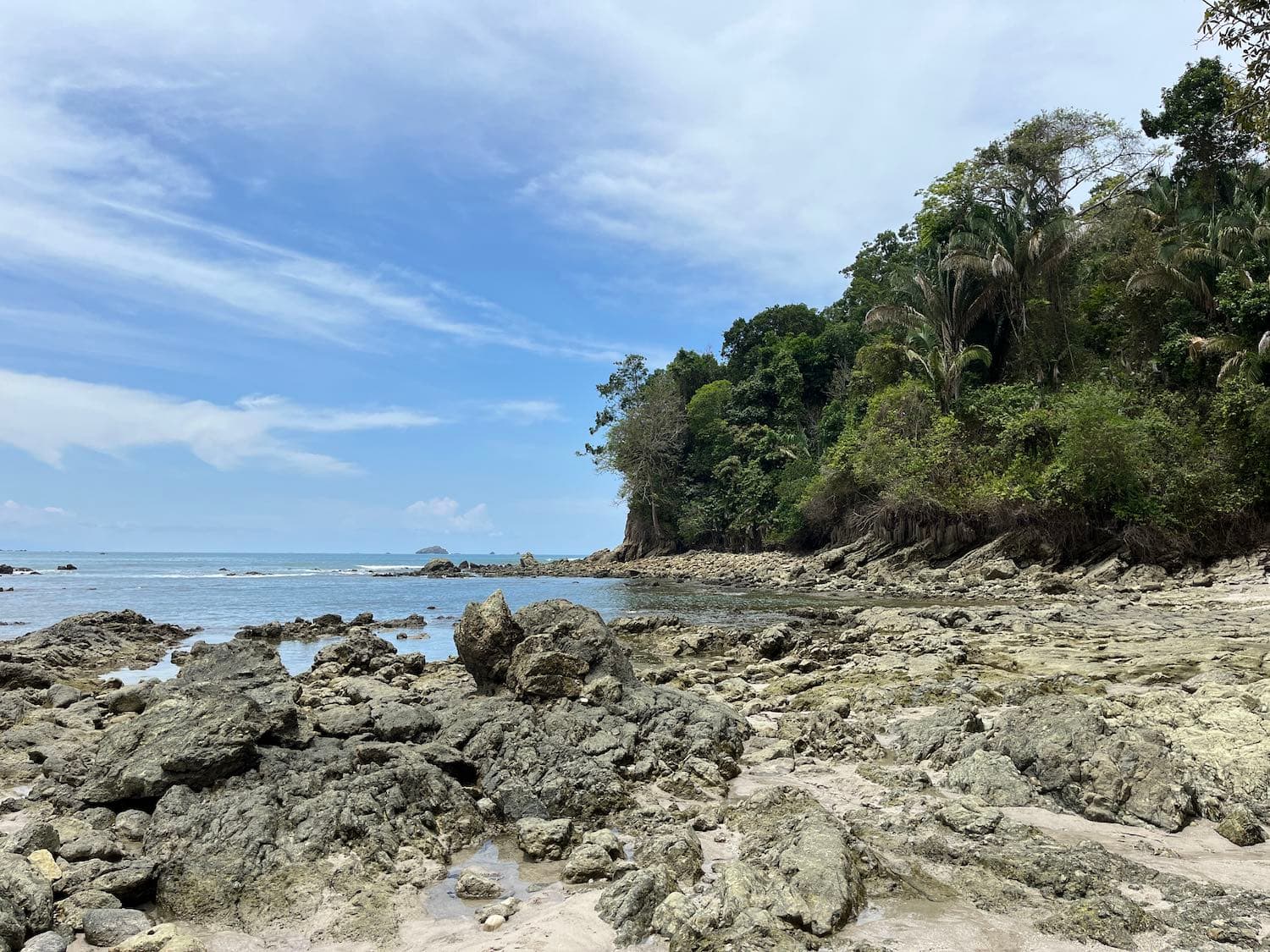
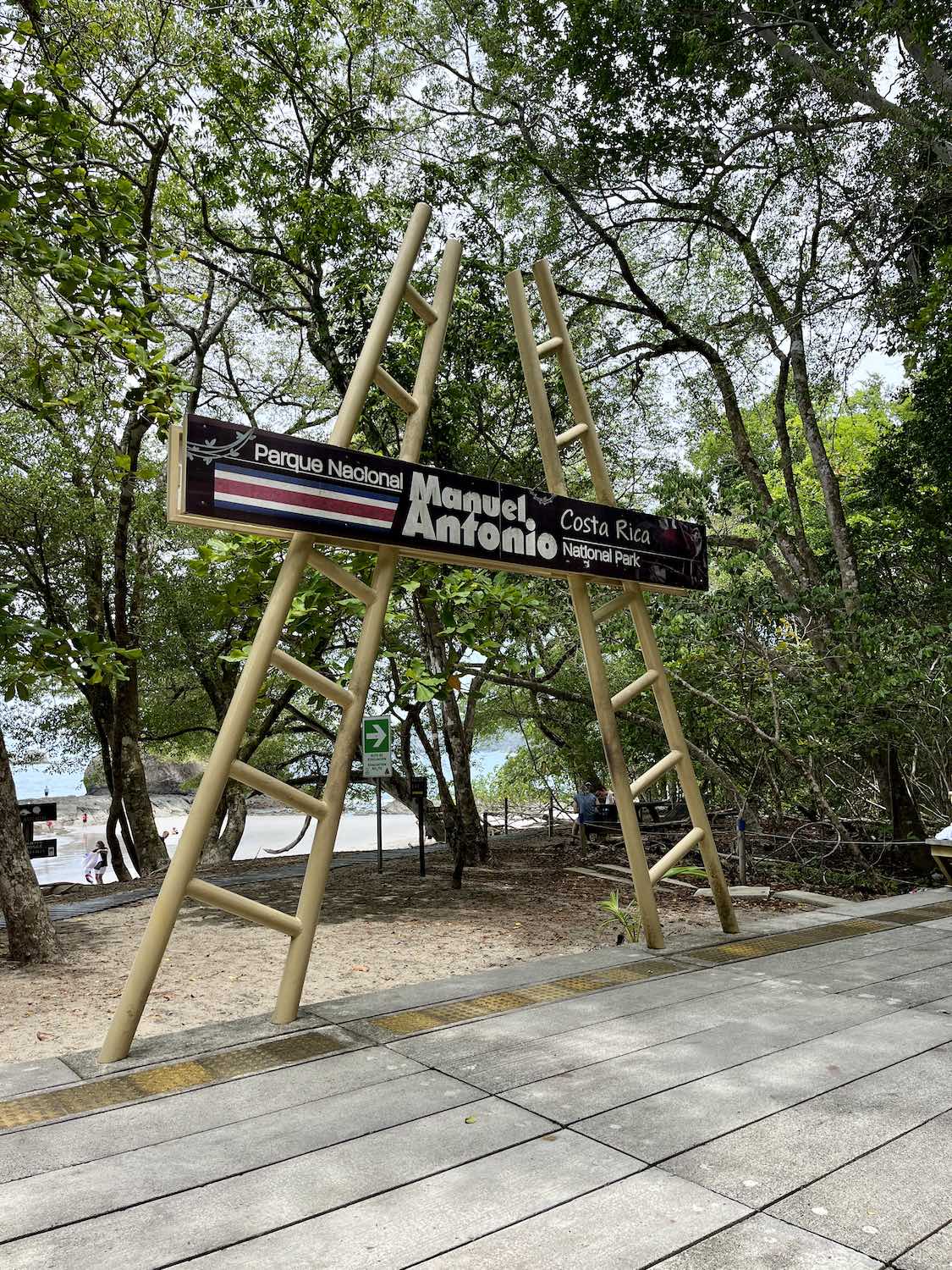
Manuel Antonio is Costa Rica's most visited national park — and it earns that title every single day. Perched on the central Pacific coast near the town of Quepos, it packs a staggering amount of nature into a compact, well-maintained space: pristine white-sand beaches, hiking trails through dense rainforest, and one of the highest concentrations of wildlife you'll find anywhere in the country.
This is the park where you're almost guaranteed to see monkeys — white-faced capuchins, howler monkeys, and the rare squirrel monkey all call it home. Sloths hang lazily from the trees, toucans dart through the canopy, and scarlet macaws screech overhead. If you visit one park in Costa Rica, make it this one.
Why it stands out: It combines beach and jungle in a way no other park in Costa Rica does. You can swim at Manuel Antonio Beach in the morning and spot a jaguar's footprint on the trail in the afternoon.
Park Hours & Entrance Fee
Hours | Adult Fee | Child Fee (2–12) | |
Foreigners | Mon & Wed–Sun, 7:00 AM–3:00 PM | $17 USD | $5 USD |
Costa Ricans/Residents | ₡1,800 CRC | ₡500 CRC |
Note: The park is closed on Tuesdays. Tickets must be purchased in advance on the SINAC website — walk-ins are not guaranteed entry, especially during high season.
Best time to visit:
December–April (dry season) for sunny beach days and clear skies.
What to see & do:
- Wildlife watching: Capuchin, howler, and squirrel monkeys; three-toed sloths; coatis; iguanas; toucans; scarlet macaws
- Beaches: Manuel Antonio Beach and Espadilla Sur Beach — both stunning for swimming and snorkeling
- Trails: The Punta Catedral loop offers panoramic coastal views; Sendero Perezoso is prime sloth territory
- Coral reef snorkeling: The waters around Punta Catedral shelter colorful reef fish


2. Arenal Volcano National Park
Best for: Adventure seekers, hikers, hot spring lovers | Region: Northern Zone (La Fortuna)
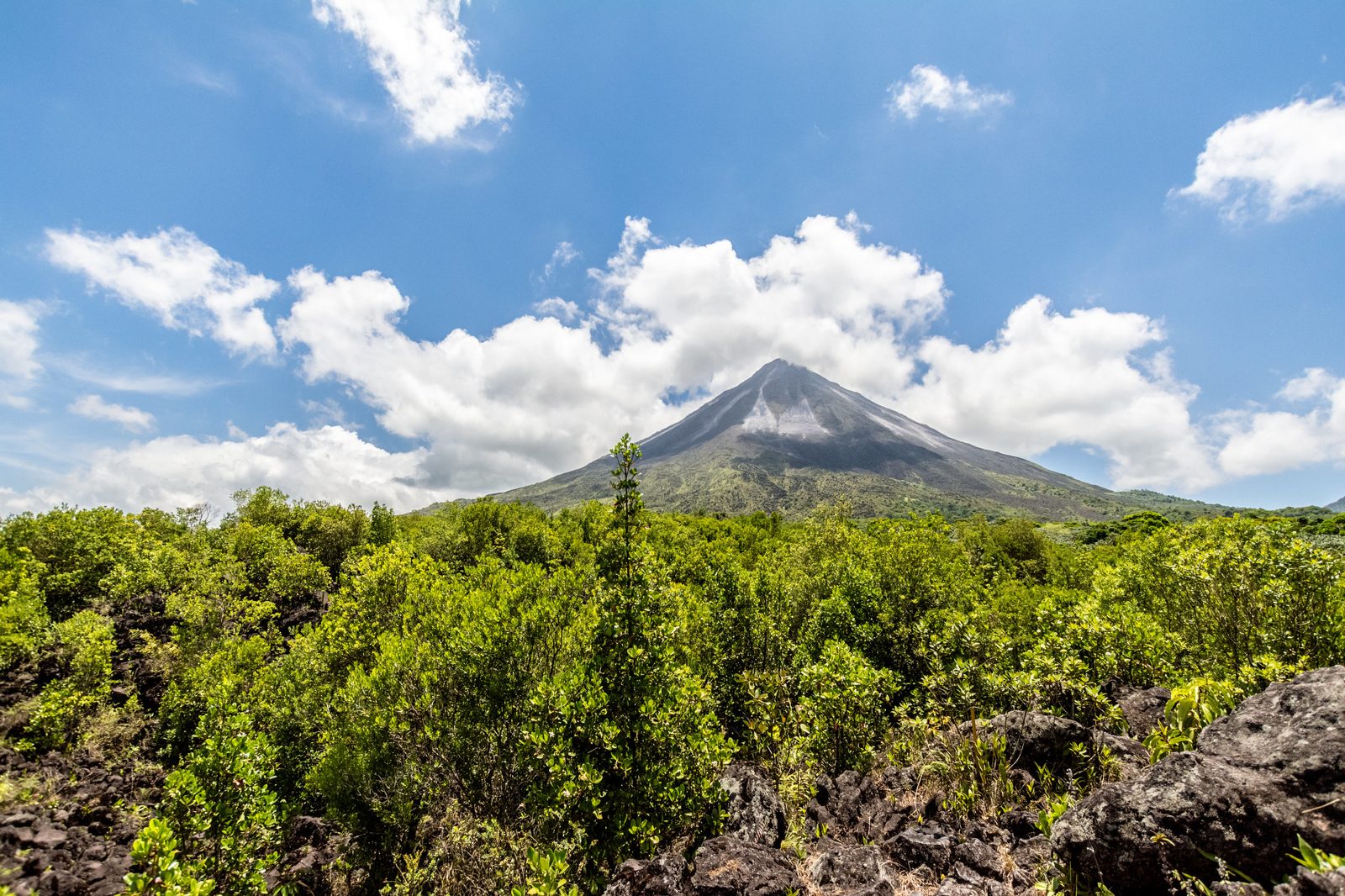
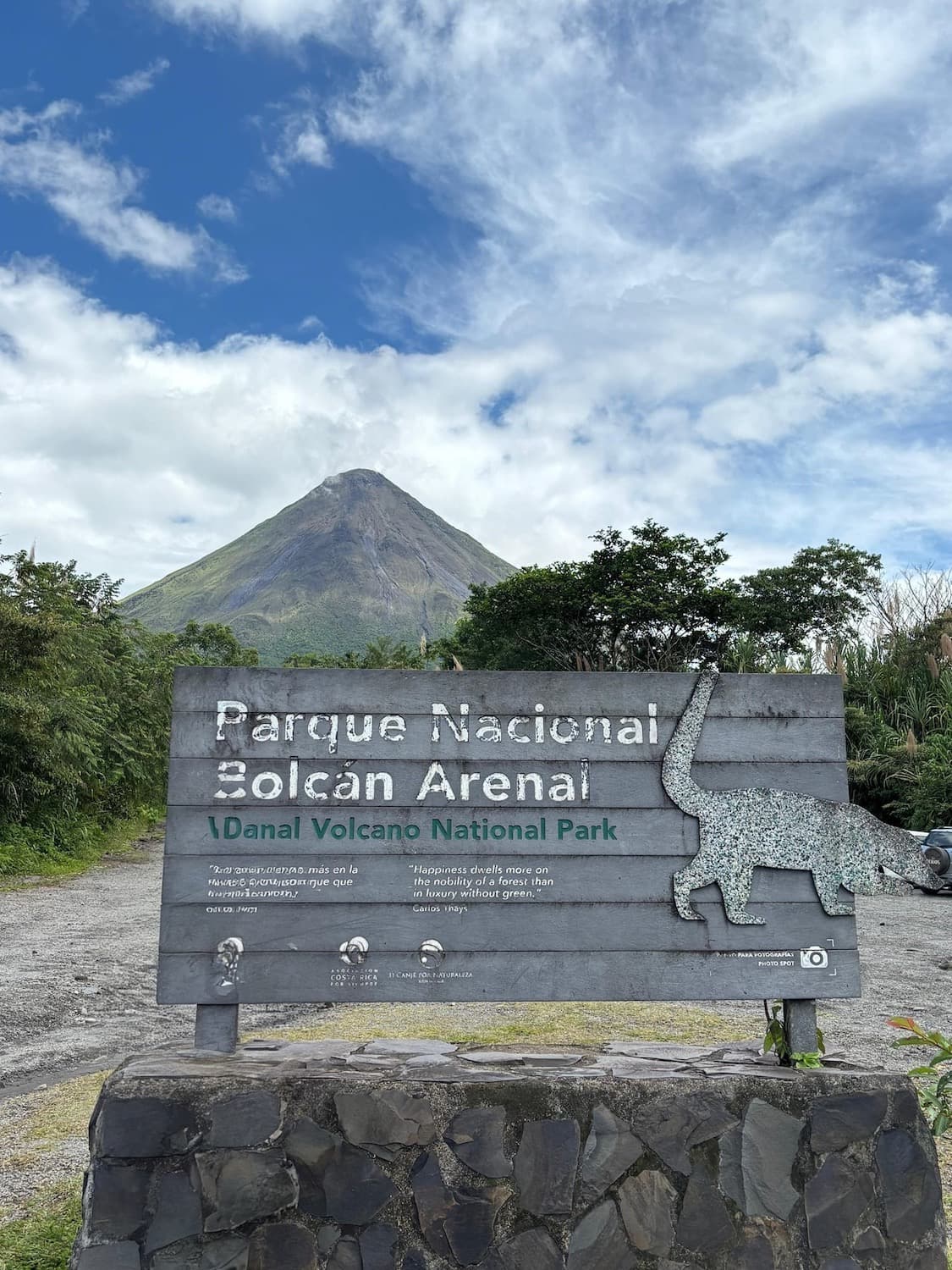
Arenal Volcano National Park is the backdrop of one of Costa Rica's most iconic images: a perfect cone-shaped volcano rising above a tropical lake, often wreathed in clouds. The volcano was one of the most active in the Western Hemisphere from 1968 to 2010, and while it's now in a resting phase, the surrounding landscape — scarred by old lava flows and blanketed in thick rainforest — still carries an electric energy.
The park itself is best experienced with the wider La Fortuna area in mind: combine your park visit with a soak in the volcanic hot springs, a boat tour on Lake Arenal, or a canopy zip-line adventure through the cloud forest.
Why it stands out: The setting is simply spectacular. Even on a cloudy day, hiking through old lava fields with howler monkeys echoing around you is an unforgettable experience.
Park Hours & Entrance Fee
Hours | Adult Fee | Child Fee | |
Foreigners | Daily, 8:00 AM–4:00 PM | $15 USD | $5 USD |
Costa Ricans/Residents | ₡1,000 CRC | ₡500 CRC |
Note: Tickets are not available on the SINAC website for this park — purchase at the entrance or through a local tour operator in La Fortuna.
Best time to visit:
November–April. The volcano is dramatically beautiful year-round, but dry season offers the best chances of a clear summit view.
What to See & Do
- Hiking: Las Coladas Trail passes old lava flows; Los Tucanes Trail winds through secondary forest with excellent birdwatching
- Wildlife: Howler monkeys, white-faced capuchins, sloths, toucans, parrots — and for the lucky, the resplendent quetzal
- Hot springs: Tabacón and Baldi are two of the most popular nearby hot spring resorts
- Ceiba Tree Trail: A short trail to one of the park's ancient giants


3. Corcovado National Park
Best for: Serious wildlife enthusiasts, adventure travelers | Region: Osa Peninsula (South Pacific)
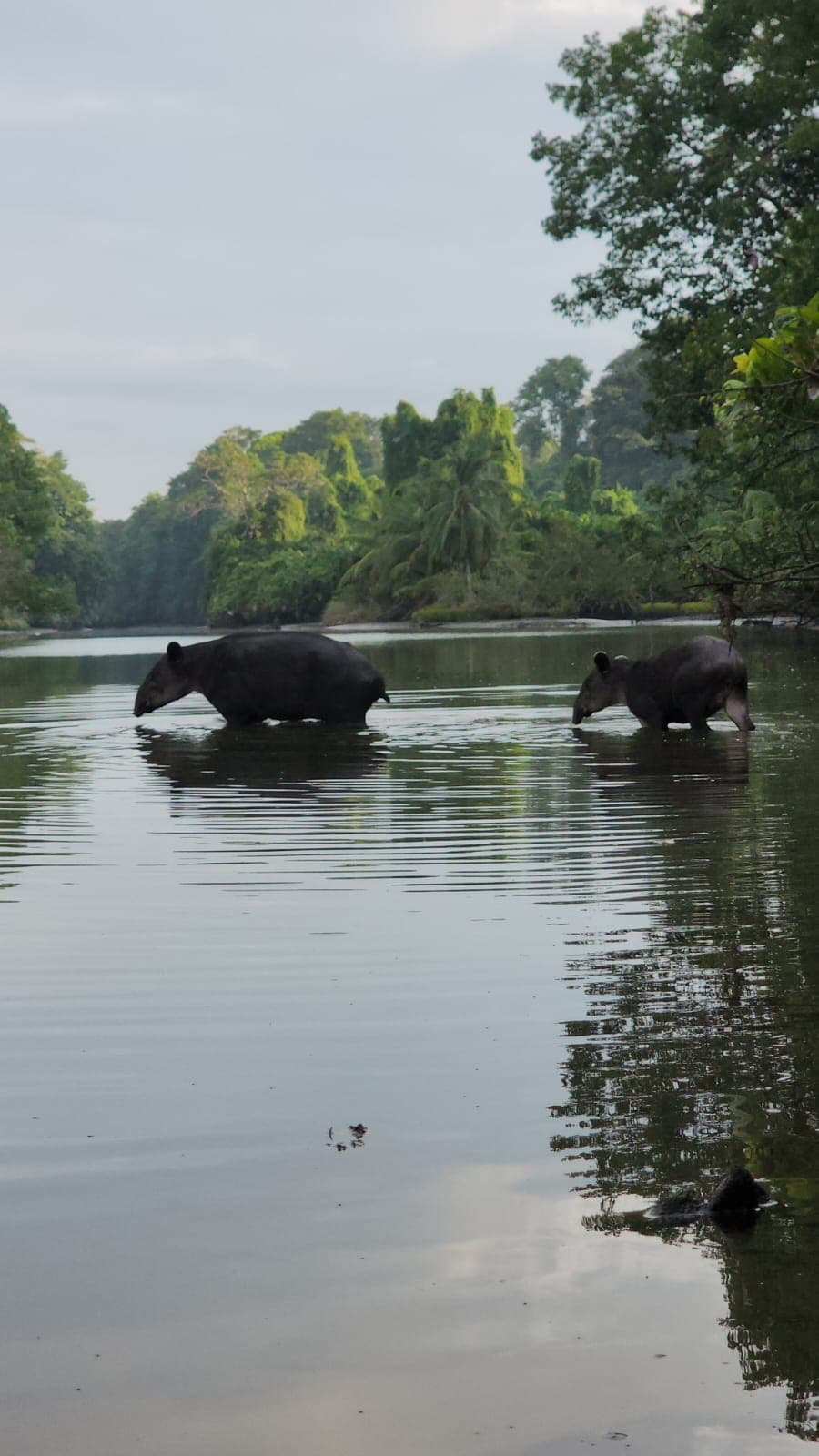
National Geographic once called Corcovado "the most biologically intense place on Earth," and that description holds up. This is Costa Rica's most remote and least-visited major park — and its most spectacular. Covering nearly half of the Osa Peninsula, Corcovado shelters 2.5% of the world's total biodiversity: all four Costa Rican monkey species, Baird's tapirs, harpy eagles, ocelots, pumas, and the largest jaguar population in Central America.
Visiting Corcovado is not a casual day trip. You'll need to arrange a certified guide in advance (required by law), and the jungle is raw — river crossings, mud, heat, and the very real possibility of encountering a fer-de-lance snake. But those who make the journey consistently call it the most incredible wildlife experience of their lives.
Why it stands out: It's the closest thing to untouched rainforest you'll find in Costa Rica — possibly in all of Central America. Wildlife sightings here are not highlights; they're the norm.
Park Hours & Entrance Fee
Hours | Adult Fee | Child Fee (2–12) | |
Foreigners | Daily, 7:00 AM–4:00 PM | $15 USD/day | $5 USD |
Costa Ricans/Residents | ₡1,600 CRC | ₡500 CRC |
Mandatory: Entry is only permitted with a certified naturalist guide. Guide fees typically run $80–$100 USD per person per day and must be booked well in advance. Reserve your spot via email at reservaciones.pnc@sinac.go.cr.
Seasonal note: The Sirena sector closes in October. Other sectors remain open.
Best time to visit:
December–April (dry season) for easier trail access and river crossings.
What to See & Do
- Wildlife: All four monkey species, tapirs, jaguars, ocelots, harpy eagles, scarlet macaws, sea turtles, dolphins, and seasonal humpback whales
- Ranger stations: Sirena (the heart of the park, highest wildlife density), San Pedrillo (coastal views), Los Patos (waterfalls and river crossings)
- Beaches: Nesting grounds for olive ridley and green sea turtles
- Old-growth forest: Enormous ceiba and wild almond trees, orchids, and primary rainforest that has never been logged





4. Tortuguero National Park
Best for: Turtle nesting, canal wildlife, off-the-beaten-path adventure | Region: Northern Caribbean Coast
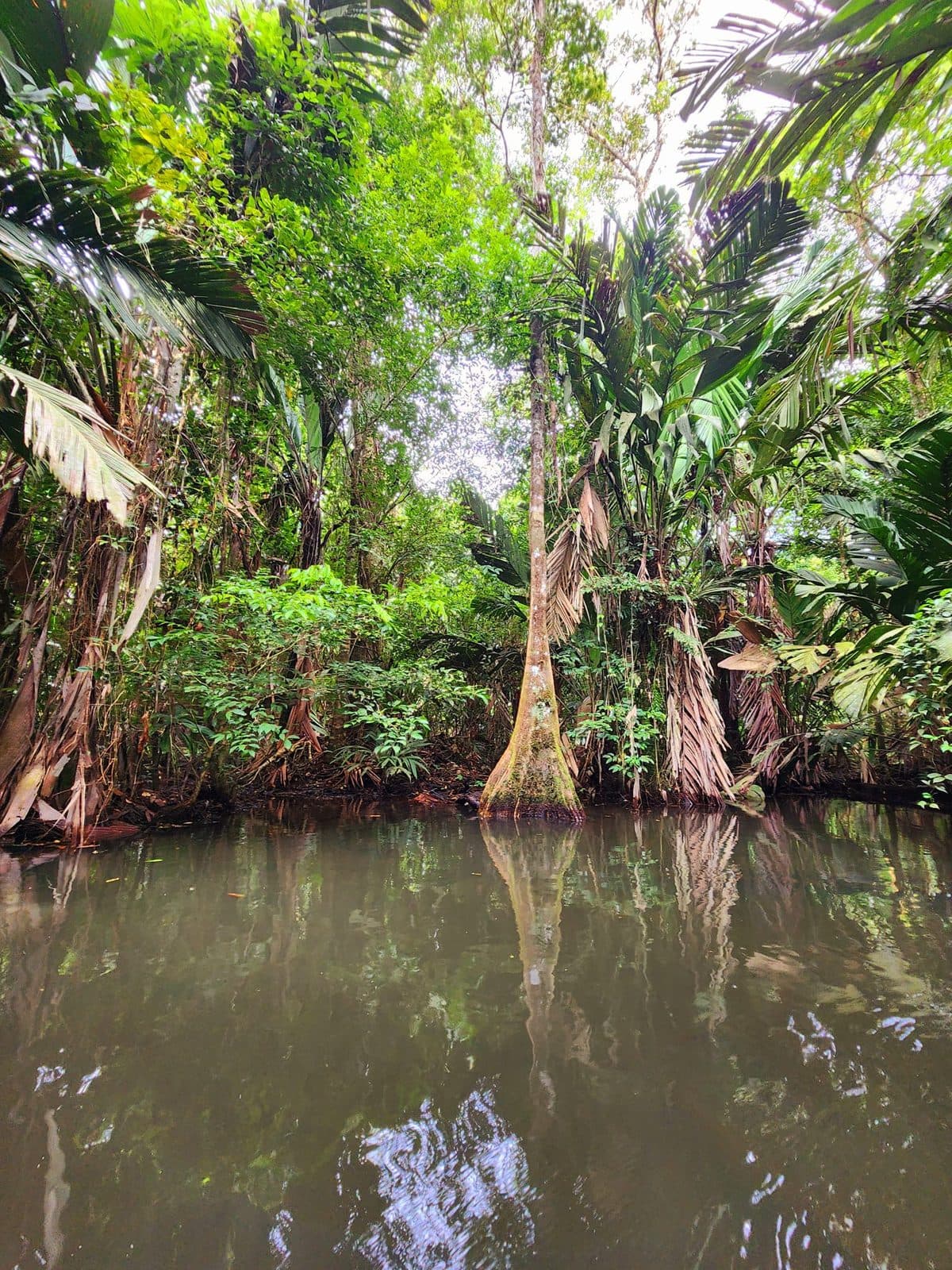
Tortuguero is often called Costa Rica's "Little Amazon" — and once you arrive by boat, gliding through canals flanked by towering jungle, you'll understand why. There are no roads to Tortuguero; you get here by boat from Moín or Caño Blanco, or by small plane. That remoteness is part of its magic.
The park protects 11 different habitats, from the beach nesting grounds of green sea turtles to freshwater lagoons, mangrove swamps, and tropical rainforest. Between July and October, thousands of green sea turtles haul themselves onto the beaches to nest — one of the most awe-inspiring wildlife spectacles in the Americas.
Why it stands out: Nowhere else in Costa Rica can you kayak through jungle canals at dawn, watching caimans slip into the water and three-toed sloths inch along overhead, then return in the evening for a guided night tour to watch sea turtles nest on the beach.
Park Hours & Entrance Fee
Hours | Adult Fee | Child Fee | |
Foreigners | Daily, 6:00 AM–12:00 PM / 1:00–4:00 PM | $15 USD/day | $5 USD |
Costa Ricans/Residents | ₡1,000 CRC | ₡500 CRC |
Tickets can be purchased at the park entrance or in advance via the SINAC website.
Best time to visit:
July–October for turtle nesting season. February–May for drier weather and calmer canals.
What to See & Do
- Sea turtle nesting: Green, hawksbill, leatherback, and loggerhead turtles (night tours, guided only)
- Canal tours: By motorized boat, canoe, or kayak — the best way to spot caimans, river turtles, monkeys, and manatees
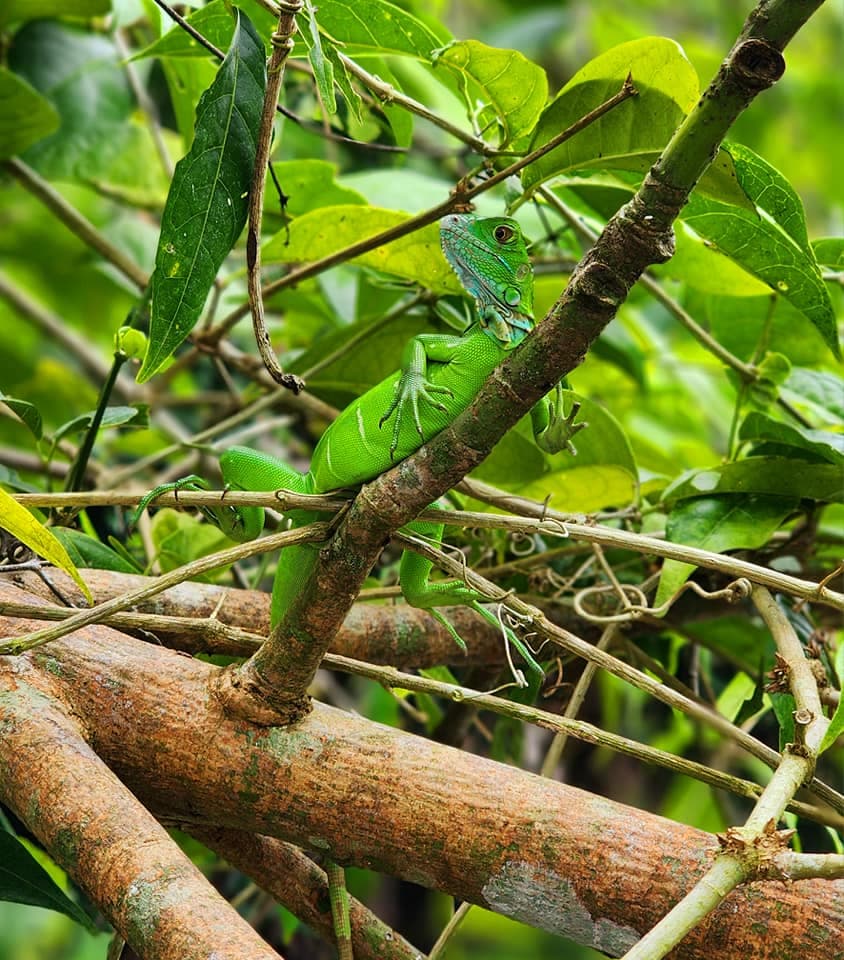
- Wildlife: Over 400 bird species, howler and spider monkeys, river otters, green iguanas, manatees, and jaguars in the deeper jungle
- Gavilan Trail: A short rainforest walk for smaller wildlife and birds



5. Monteverde Cloud Forest Reserve
Best for: Birdwatchers, hikers, ecotourism enthusiasts | Region: Puntarenas Mountains
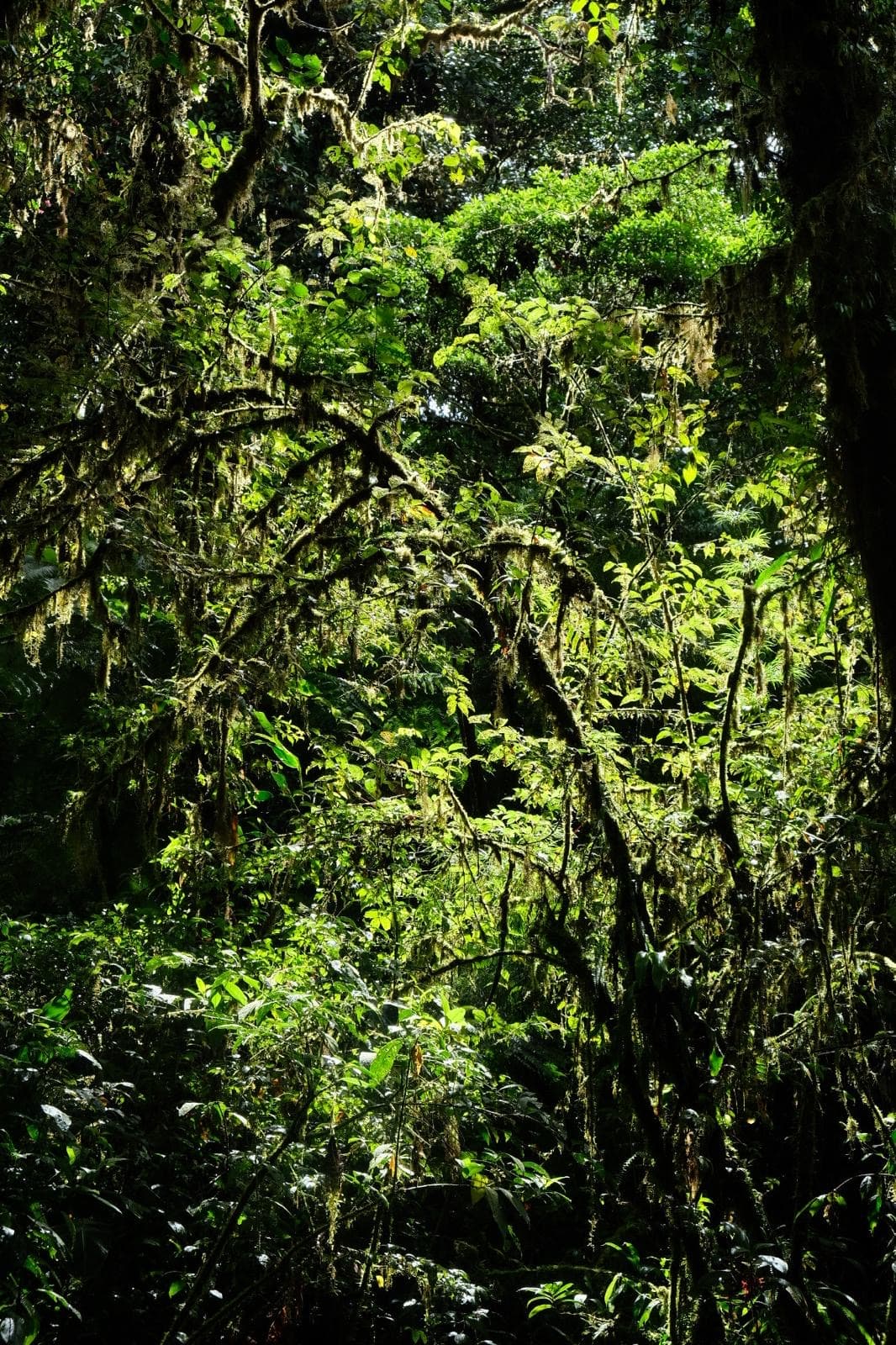
Technically a biological reserve rather than a national park, Monteverde is one of the most extraordinary natural areas in all of the Americas. Perched at over 1,400 meters in the Tilarán Mountains, the reserve protects a perpetually mist-covered cloud forest where mosses drip from every surface, orchids bloom on every branch, and the haunting call of the three-wattled bellbird echoes through the canopy.
Monteverde is globally famous for birdwatching — particularly for the resplendent quetzal, one of the most beautiful birds in the world, best spotted here from January to May. The reserve also played a pioneering role in developing ecotourism as a conservation model, and 100% of its entrance fees go toward education and research.
Why it stands out: Walking through Monteverde feels like entering another world. The suspended bridges offer canopy-level views of an ecosystem that exists nowhere else — part of just 2% of the world's remaining cloud forest.
Park Hours & Entrance Fee
Hours | Adult Fee | Student/Child Fee | |
Foreigners | Daily, 7:00 AM–4:00 PM | $26 USD | $13 USD |
Costa Ricans/Residents | ₡4,100 CRC | ₡3,100 CRC |
Parking: $5 USD. Book tickets in advance at the Monteverde Cloud Forest Reserve website.
Best time to visit:
December–April for clearer skies. January–May for resplendent quetzal sightings.
What to See & Do
- Wildlife: Resplendent quetzal, hummingbirds, toucans, bellbirds, jaguars, ocelots, spectacled bears, 500+ orchid species
- Trails: Sendero Bosque Nuboso (Cloud Forest Trail), Sendero Camino (wide and accessible), La Ventana viewpoint overlooking the Continental Divide
- Suspension bridges: Walk above the forest canopy for an unforgettable perspective
- Night tours: Many operators offer guided nocturnal walks to spot snakes, tree frogs, and sleeping birds
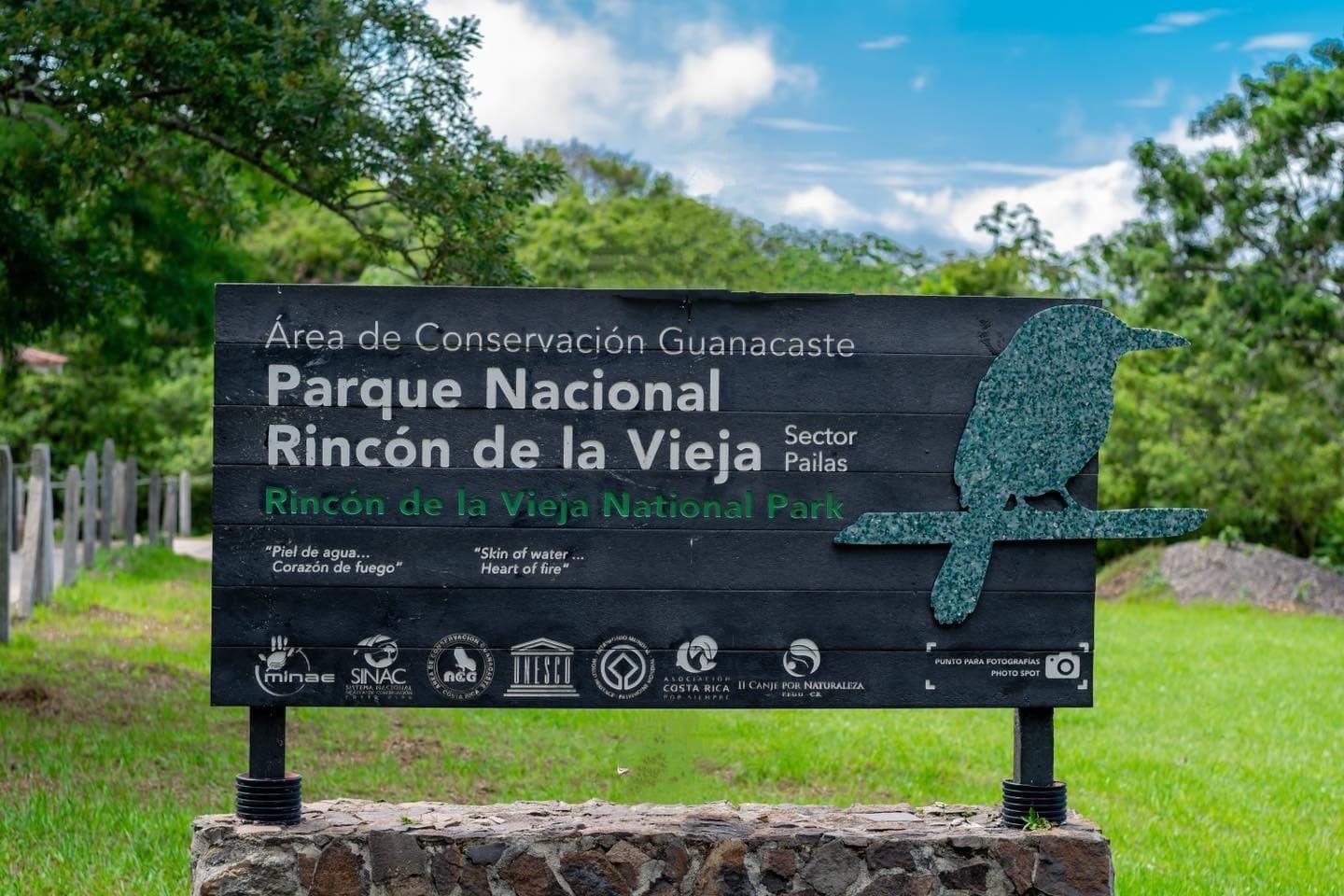



6. Rincón de la Vieja National Park
Best for: Active travelers, geology lovers, adventure sports | Region: Guanacaste
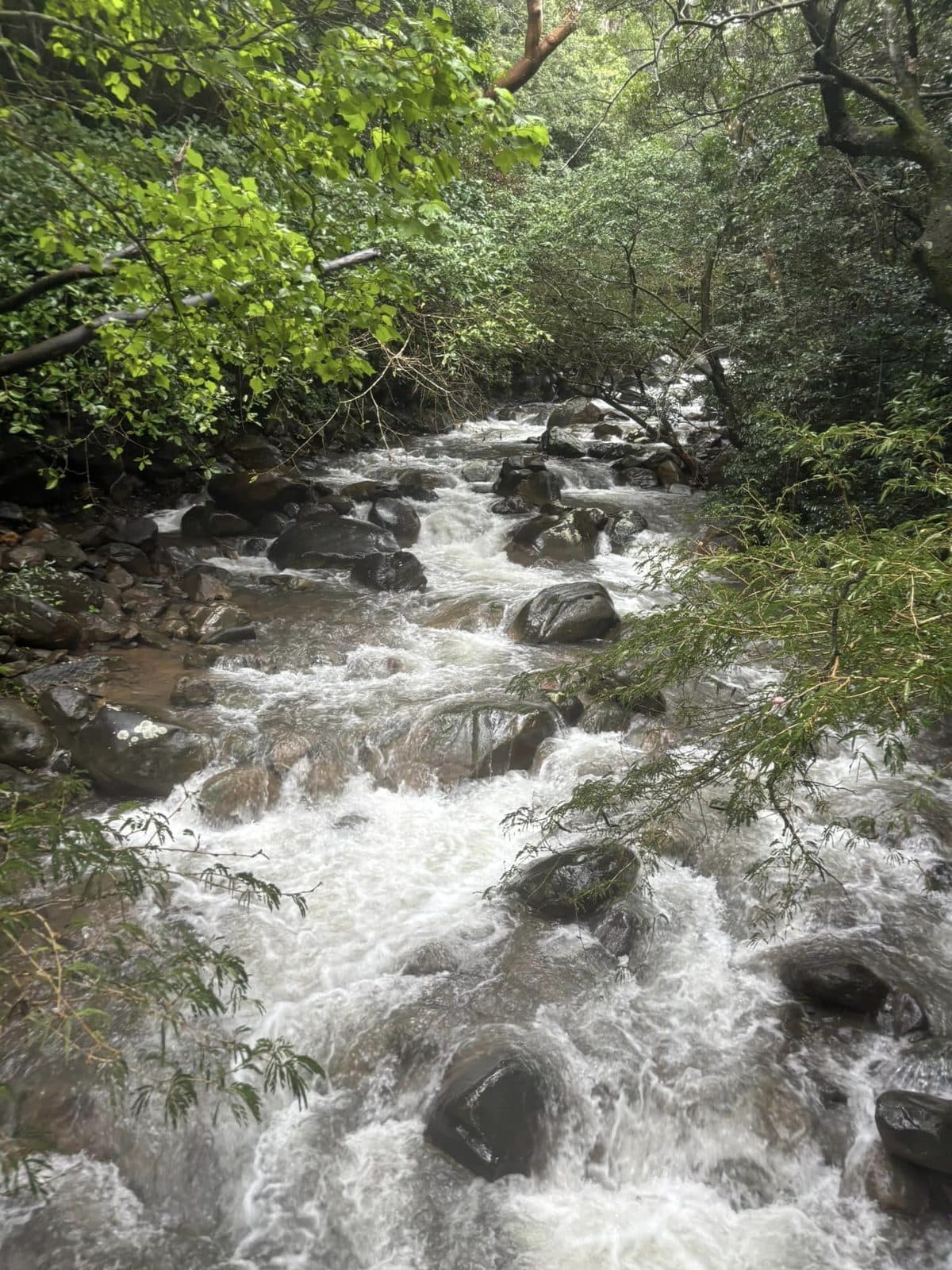
Rincón de la Vieja is Guanacaste's geological showpiece — an active volcanic complex with fumaroles hissing steam into the air, bubbling mud pots gurgling at your feet, and waterfalls plunging into crystal-clear pools. The Las Pailas sector, the most visited part of the park, feels like walking across a living planet.
Beyond the geothermal features, the park spans diverse ecosystems from tropical dry forest to humid cloud forest, supporting an impressive array of wildlife. And the area around the park has developed into a hub for adventure tourism — tubing, canyoning, horseback riding, and zip-lining are all available nearby.
Why it stands out: It's the only park in Costa Rica where you can hike past a boiling mud volcano and then cool off under a 130-foot waterfall in the same afternoon.
Park Hours & Entrance Fee
Hours | Adult Fee | Child Fee | |
Foreigners | Tue–Sun, 8:00 AM–3:00 PM | $15 USD | $5 USD |
Costa Ricans/Residents | ₡1,000 CRC | ₡500 CRC |
Note: The park is closed on Mondays. Two sectors: Las Pailas (volcanic features, most popular) and Santa María (quieter trails, hot springs).
Best time to visit:
November–April (dry season). Avoid October when trails can be very muddy.
What to See & Do
- Volcanic features: Fumaroles, boiling mud pots, and sulfur hot springs along the Las Pailas loop (3 km)
- Waterfalls: La Cangreja Waterfall (a challenging 16 km round-trip with a stunning blue pool); Escondidas Waterfall (less crowded)
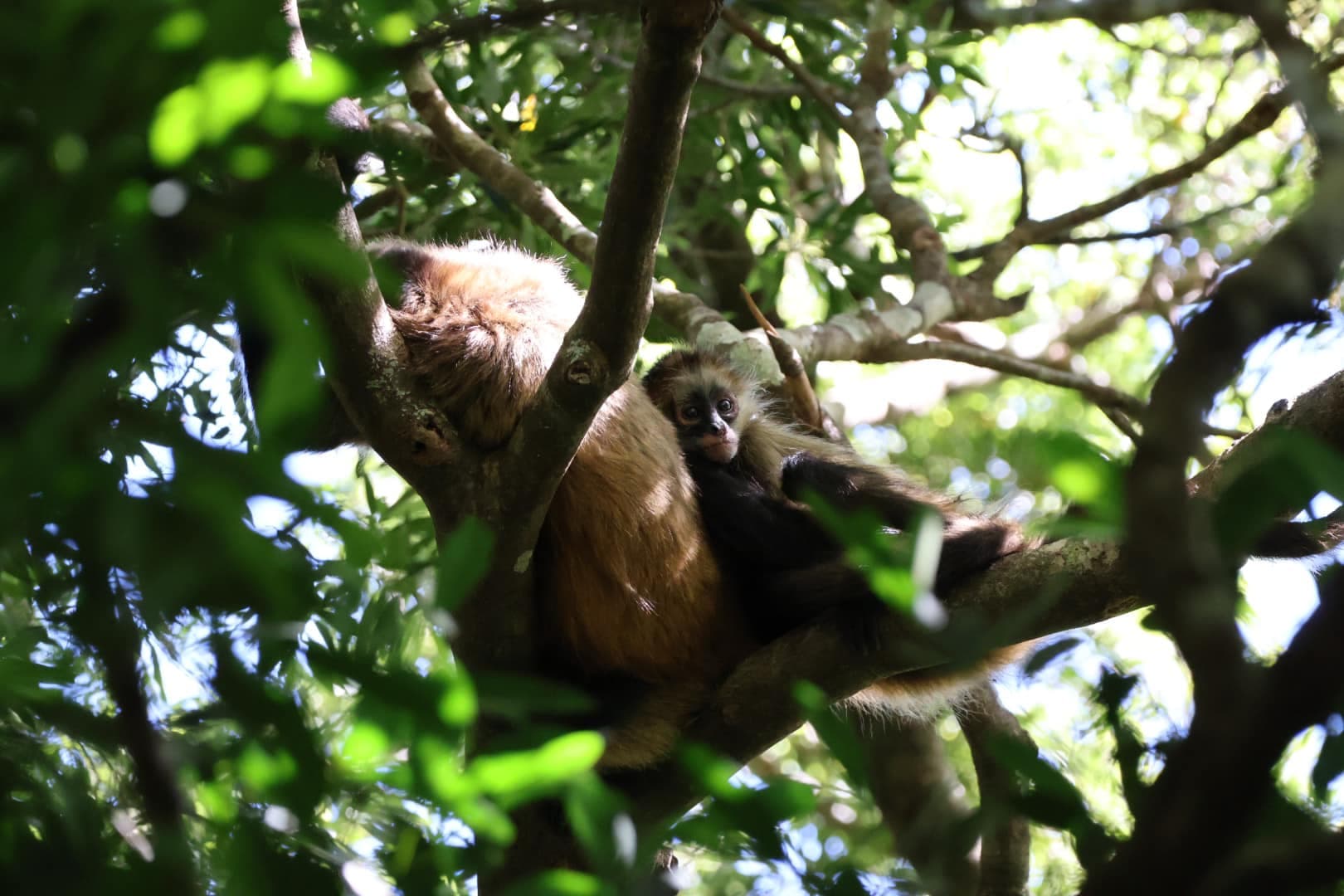
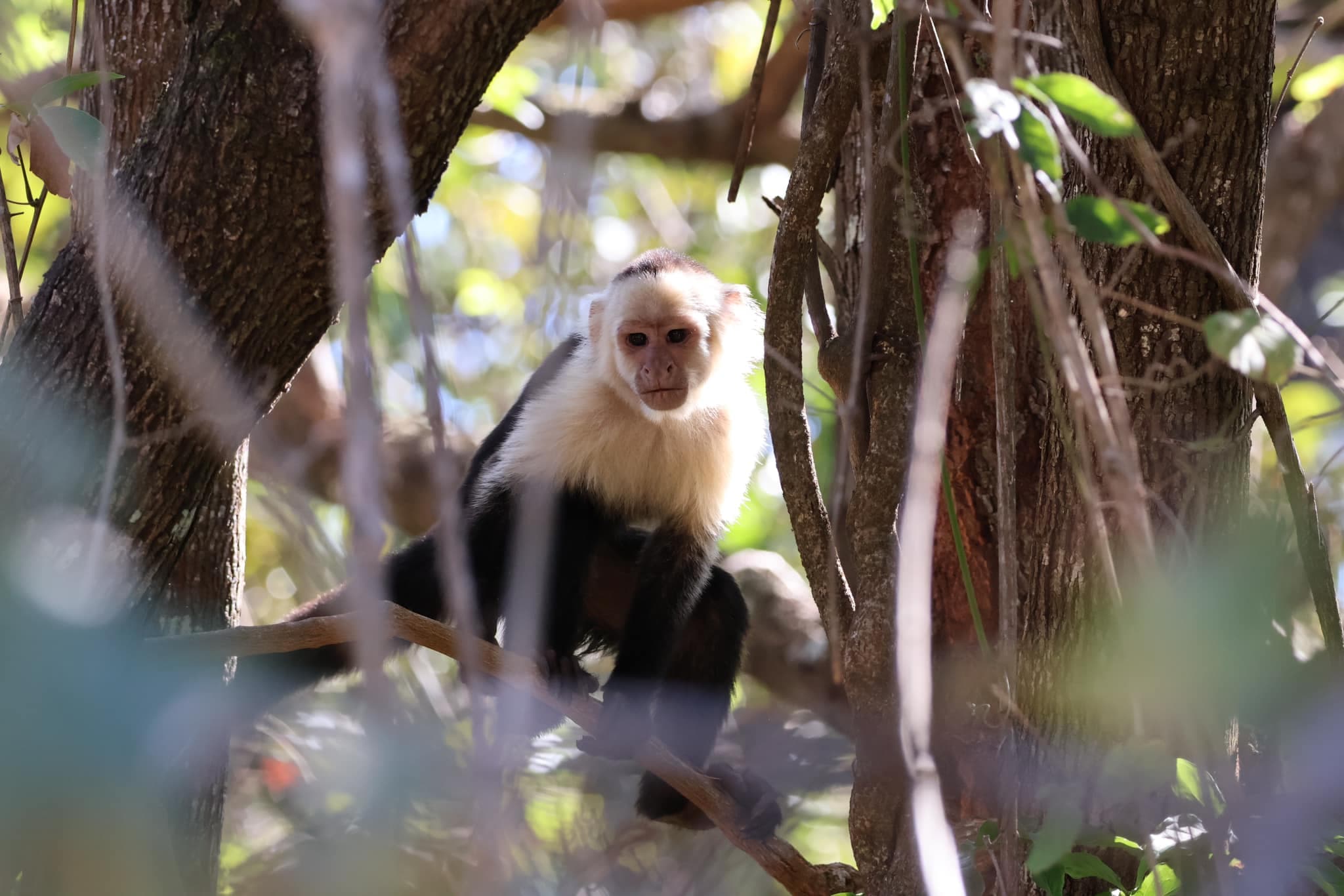
- Wildlife: White-faced capuchin and howler monkeys, jaguarundis, sloths, coatis, over 300 bird species including the turquoise-browed motmot
- Hot springs: Natural thermal pools in the Santa María sector



7. Cahuita National Park
Best for: Snorkeling, beach relaxing, Caribbean vibes | Region: Caribbean Coast
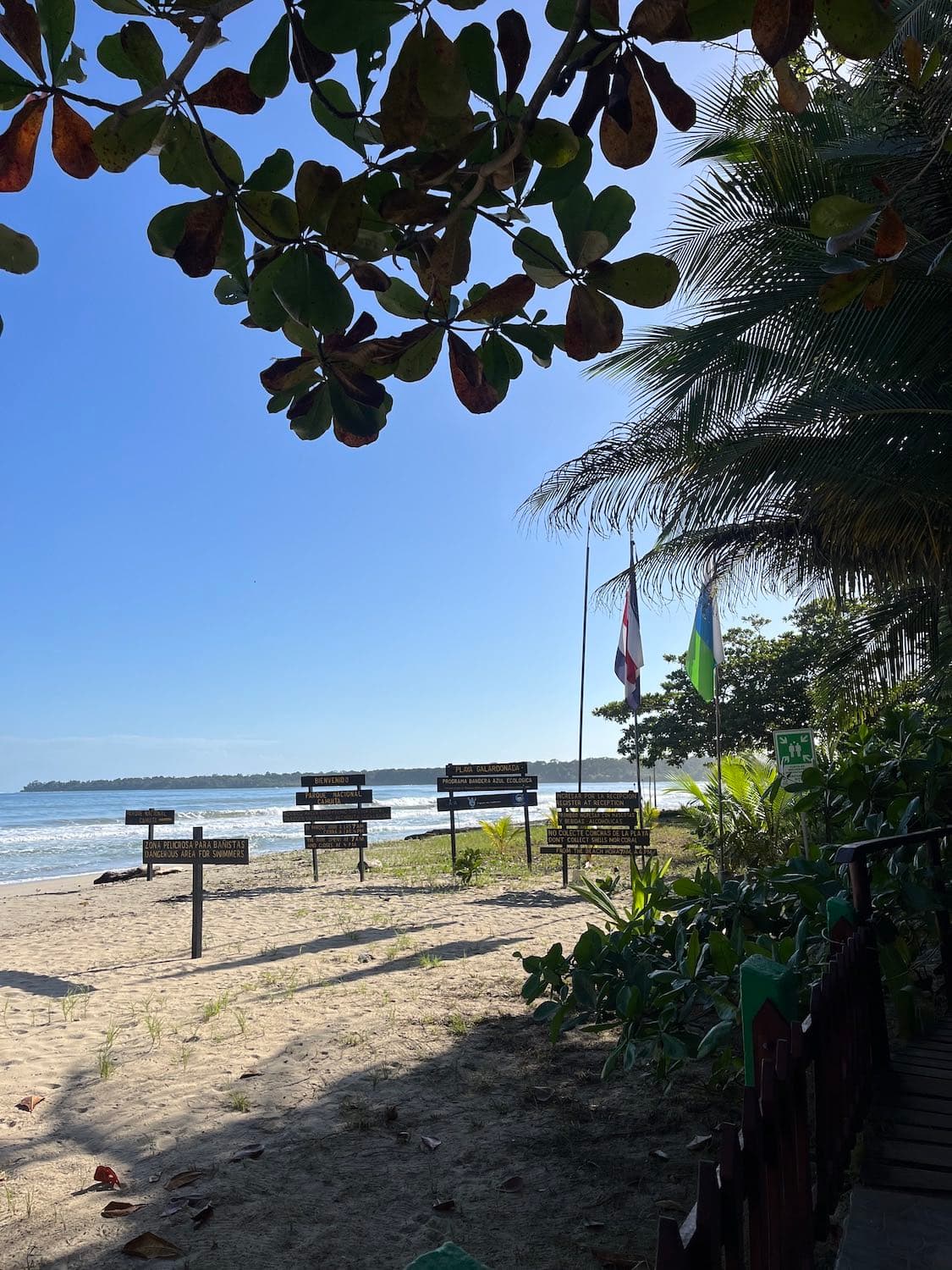
Cahuita is unlike any other park on this list. On the Caribbean coast near the town of Puerto Viejo, it combines the laid-back Afro-Caribbean culture of the region with some of Costa Rica's finest marine biodiversity. The park protects the country's most accessible coral reef — home to over 35 coral species, tropical fish, nurse sharks, and sea turtles — alongside a flat coastal trail through lush jungle.
The main entrance (in Cahuita town) is donation-based, making this one of the most budget-friendly park experiences in the country. And because the coastal trail is flat and easy, it's perfect for families, casual hikers, and anyone who just wants to stroll through the jungle to the beach.
Why it stands out: It's the most relaxed, accessible park in Costa Rica, with a Caribbean soul. Come for the snorkeling, stay for the vibe.
Park Hours & Entrance Fee
Entrance | Hours | Fee |
Cahuita Town Entrance | Daily, 8:00 AM–4:00 PM | Donation (suggested) |
Puerto Vargas Entrance | Daily, 8:00 AM–4:00 PM | $5 USD/person |
Best time to visit:
March–April and September–October for the calmest seas and best snorkeling visibility.
What to See & Do
- Coral reef snorkeling: 35+ coral species, parrotfish, stingrays, sea turtles, nurse sharks — join a guided snorkel tour from Cahuita town
- Wildlife: Howler and capuchin monkeys, three-toed sloths, raccoons, iguanas, toucans, and herons
- Cahuita Point Trail: A flat, 8 km coastal trail through the rainforest to Point Cahuita — one of the most enjoyable walks in Costa Rica
- Beaches: Playa Cahuita and Playa Vargas for swimming and relaxing




8. Chirripó National Park
Best for: Experienced hikers, peak baggers, adventure | Region: San José Province (Chirripó Mountains)
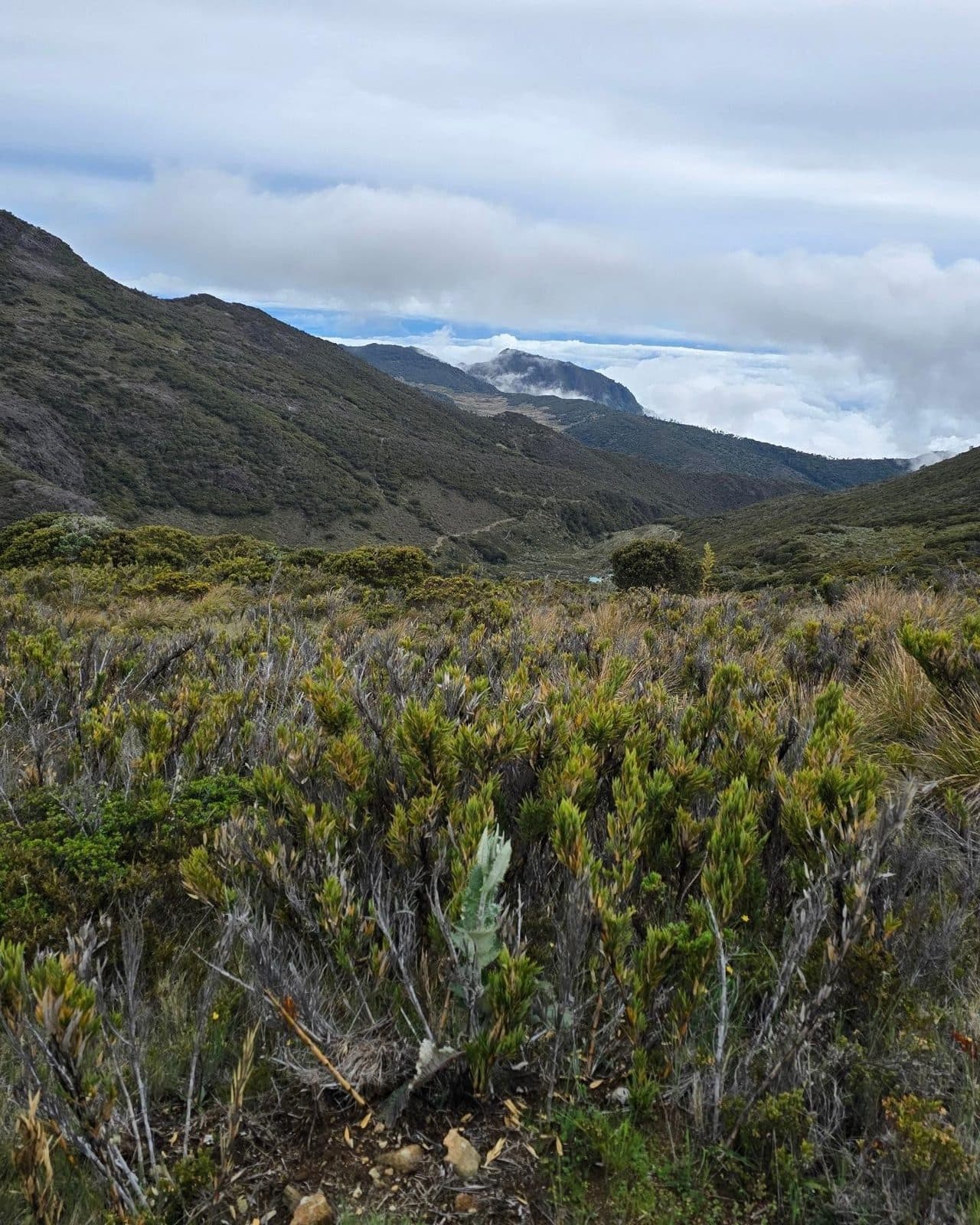
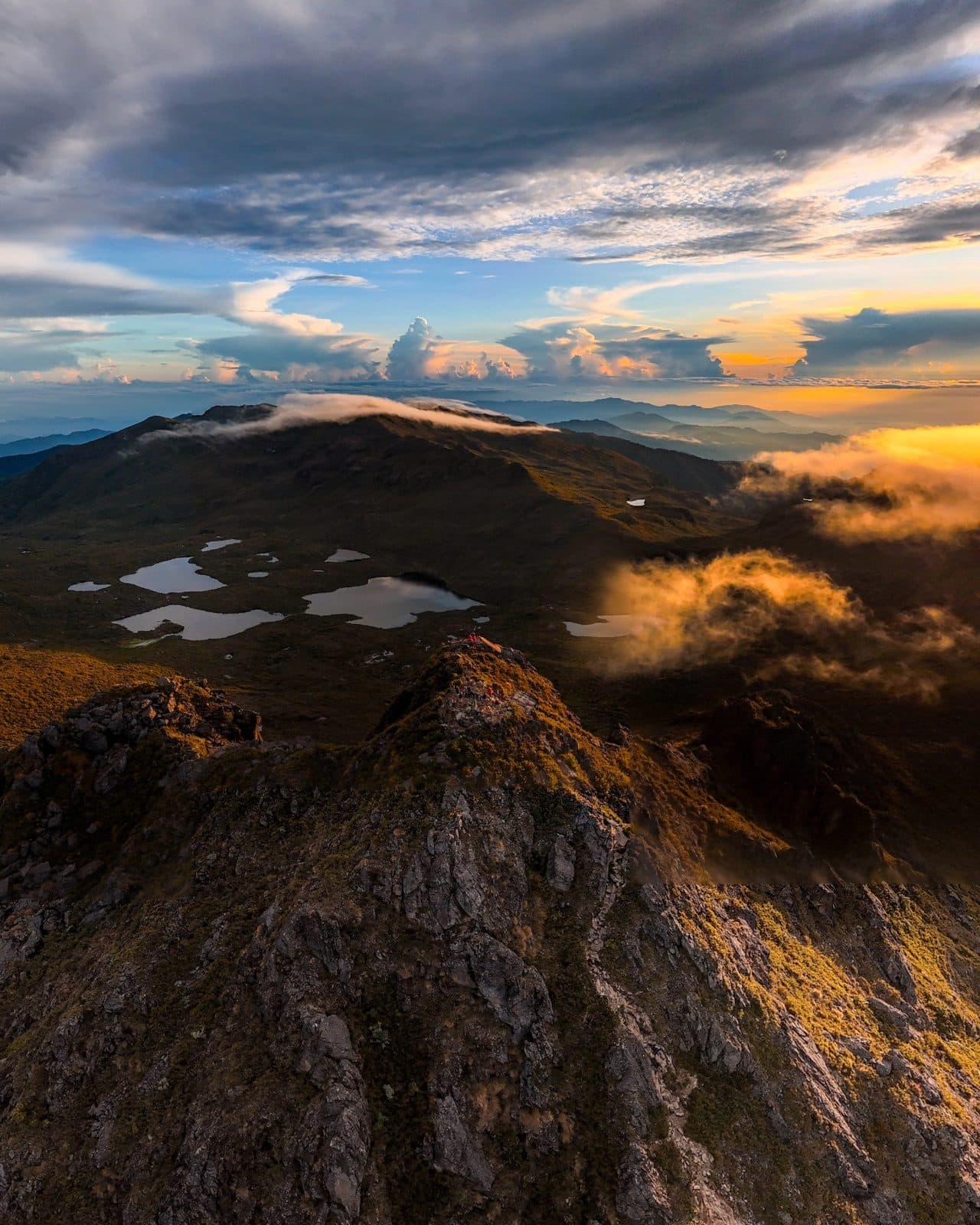
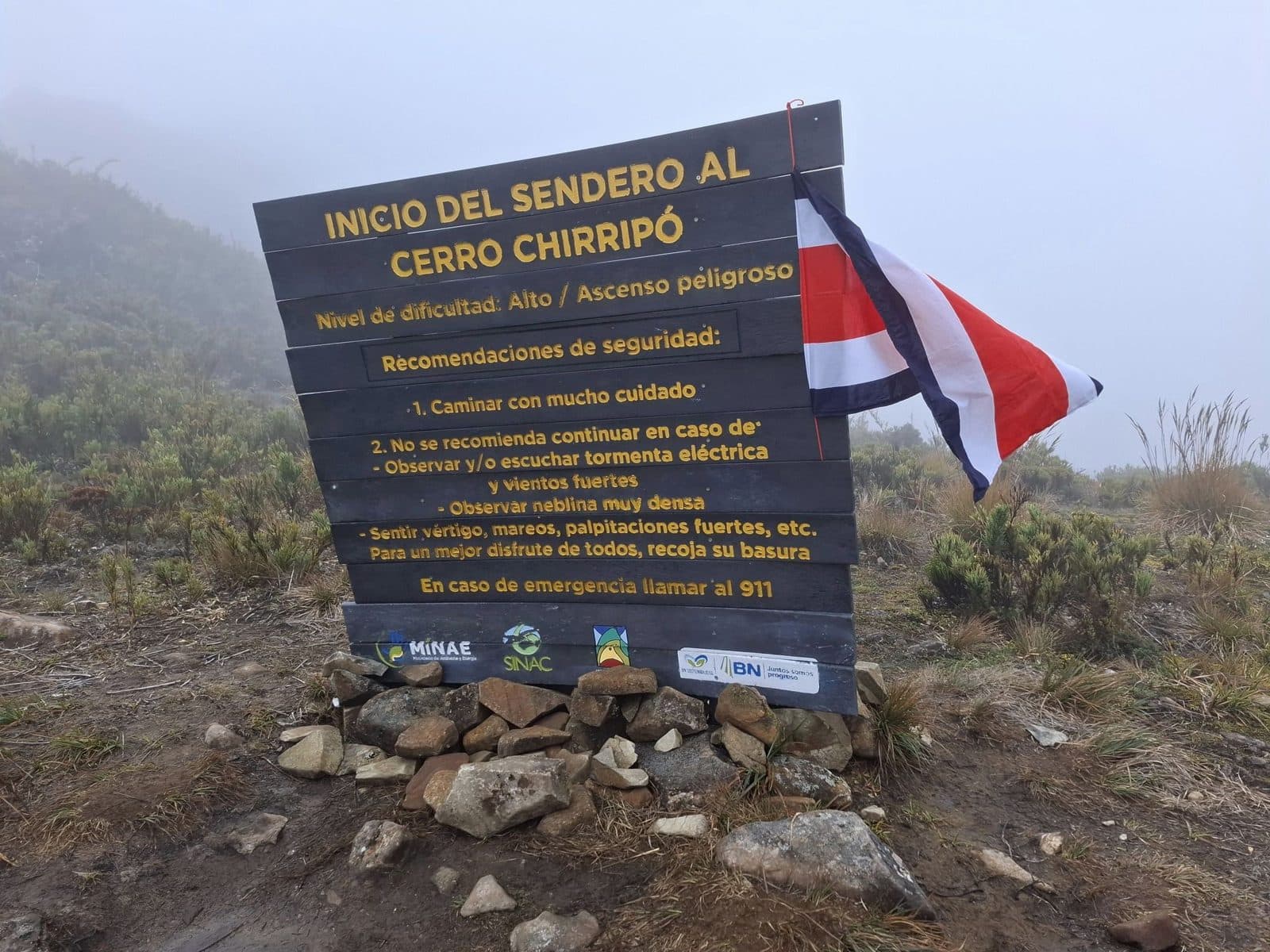
Chirripó National Park is Costa Rica's ultimate hiking challenge — and reward. Home to Cerro Chirripó, the highest peak in Costa Rica and all of Central America at 3,821 meters (12,530 feet), the park offers a multi-day trek through four distinct life zones: tropical rainforest, cloud forest, high-altitude forest, and the otherworldly páramo (subalpine shrubland).
The summit rewards hikers with panoramic views stretching from the Pacific Ocean to the Caribbean Sea — on a clear day, you can see both coasts simultaneously. It's a grueling but profoundly moving
experience.
Why it stands out: Summiting Cerro Chirripó is a genuine achievement and a transformative experience. No other place in Costa Rica shows you this many ecosystems in a single hike.
Park Hours & Entrance Fee
Hours | Adult Fee | |
Foreigners | Daily, 8:00 AM–12:00 PM / 1:00–4:00 PM | $18 USD/day |
Costa Ricans/Residents | ₡4,000 CRC |
Important: Reservations are required and must be made months in advance for peak season (December–April). There is an additional fee for overnight stays at the Base Crestones Lodge. Permits are limited and sell out fast.
Best time to visit:
January–April for drier conditions and the best summit visibility.
What to See & Do
- Cerro Chirripó summit: 19.5 km each way from San Gerardo de Rivas; most hikers take 2–3 days round-trip
- Valle de los Crestones: Dramatic glacial rock formations unlike anything else in Costa Rica
- Alpine lakes: Laguna Ditkevi and Laguna San Juan nestled among the peaks
- Wildlife: Resplendent quetzals in the cloud forest, tapirs, pumas, jaguarundis, and unique high-altitude flora
📖 Read our detailed Chirripó guides:
- Hiking Cerro Chirripó via the Uran Route: our raw & honest experience
- Cerro Chirripó Hike Guide: Everything you need to know





9. Marino Ballena National Park
Best for: Whale watching, snorkeling, uncrowded beaches | Region: South Pacific (Uvita)
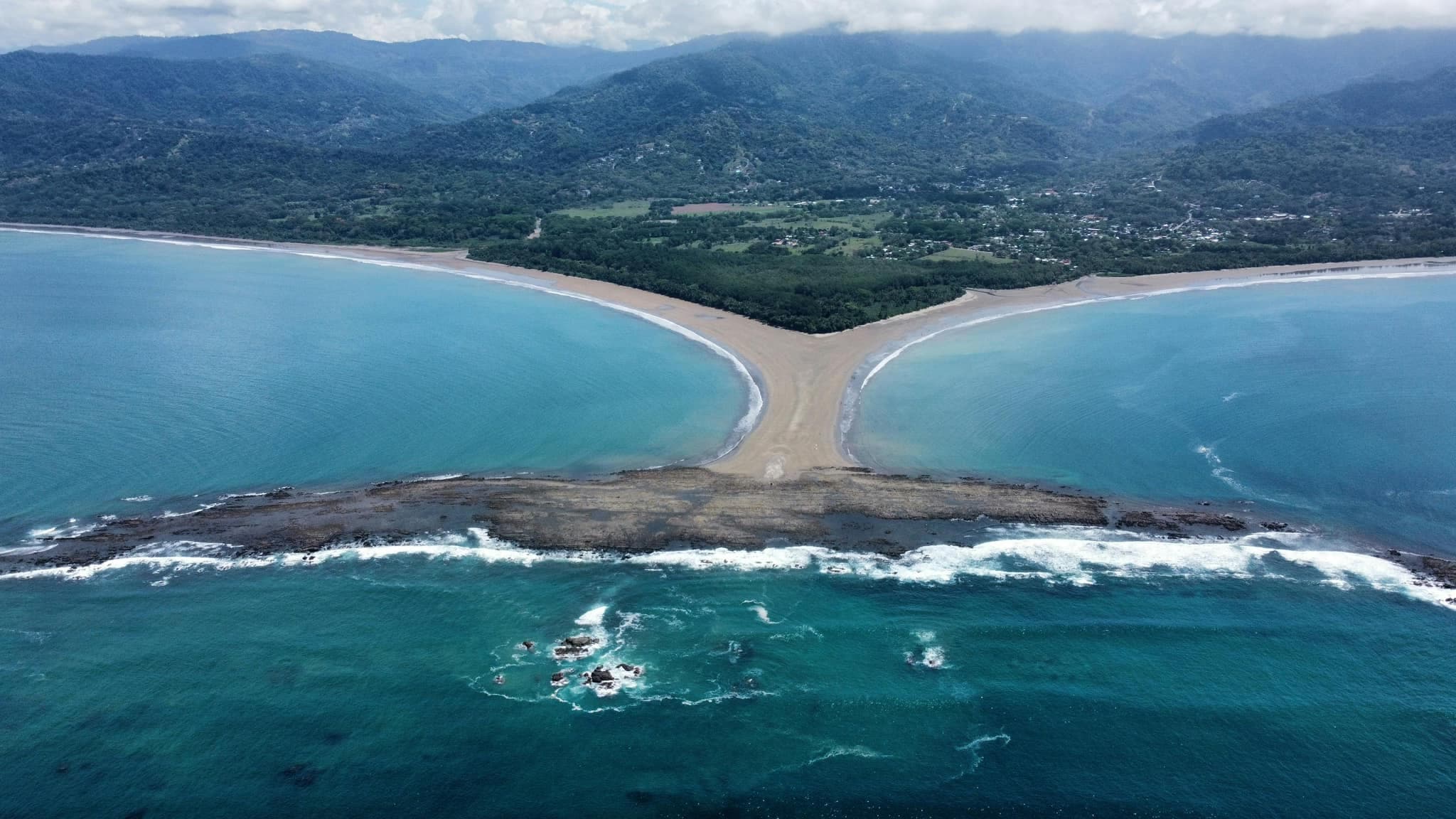
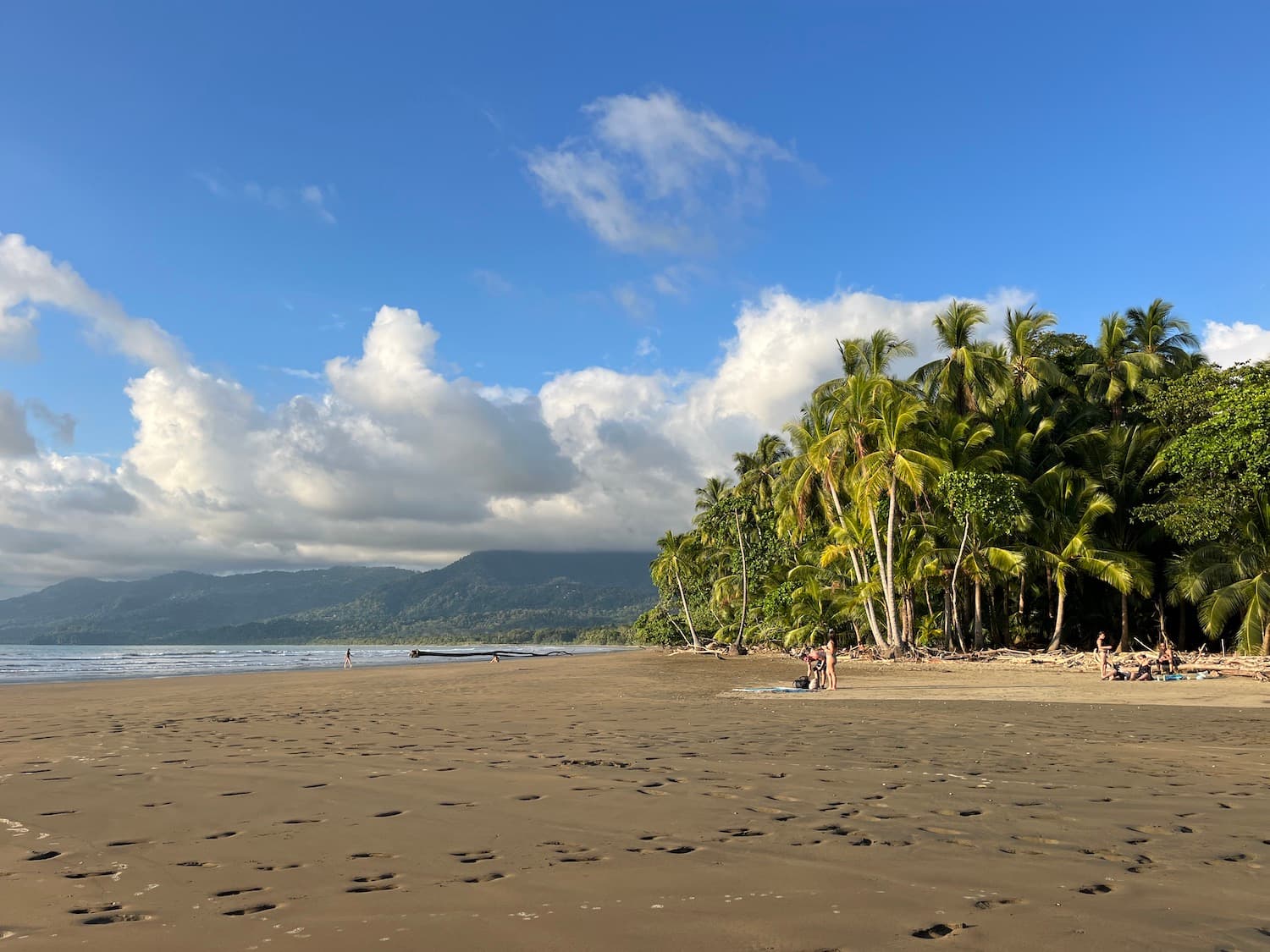
Often overlooked in favor of its more famous neighbors, Marino Ballena is a gem of the South Pacific coast. Named for the humpback whales that migrate here from both the Northern and Southern Hemispheres (July–October and December–March, making this one of the world's longest humpback whale seasons), the park also protects coral reefs, nesting hawksbill turtles, dolphins, and pristine beaches. The park's famous "whale's tail" sandbar — visible at low tide — is one of the most photographed natural formations in Costa Rica.
Best time to visit: July–October or December–March for whale watching.
Entrance Fee
- Foreigners: $6 USD per person (beach areas); marine zone fees vary
- Costa Ricans/residents: ₡800 CRC
Tips for visiting Costa Rica's National Parks
Book tickets in advance
Many parks — especially Manuel Antonio, Corcovado, and Chirripó — require advance reservations, particularly during high season (December–April). Don't show up and hope for walk-in availability.
Hire a local guide
A certified naturalist guide will spot wildlife you'd walk right past, explain what you're seeing, and dramatically improve your experience. For Corcovado, a guide is legally required. For all other parks, it's strongly recommended.
Arrive early
Parks are at their most magical in the first two hours after opening. Wildlife is most active, crowds are thinner, and the light is better for photography. Arrive at opening time.
What to pack
- Lightweight, quick-dry clothing (neutral colors — avoid bright whites)
- Waterproof hiking boots or trail shoes
- Rain poncho or jacket (the forest is unpredictable)
- Biodegradable sunscreen and insect repellent
- Reusable water bottle (single-use plastics are banned in all national parks)
- Binoculars for wildlife spotting
Park rules to know
- No pets in any national park
- No drones without special authorization
- No flash photography (especially important on turtle tours at Tortuguero)
- No food beyond small personal snacks (monkeys and coatis will steal your lunch)
- Don't feed or touch animals — it harms them and can be dangerous
- Stay on marked trails — wandering off can damage fragile ecosystems and put you at risk
- No single-use plastics (bottles, straws, bags)
- Don't remove anything — plants, shells, rocks, or animals
Why visit Costa Rica's National Parks?
Beyond the wildlife and the scenery, every entrance fee you pay goes directly to the National System of Conservation Areas (SINAC), funding ranger salaries, trail maintenance, research programs, and anti-poaching efforts. Visiting these parks is one of the most tangible ways travelers can support conservation in Costa Rica.
The parks are also the reason Costa Rica remains one of the most biodiverse countries on the planet. That 28% of protected land didn't happen by accident — it's the result of decades of deliberate policy, sacrifice, and community commitment. Walking through Corcovado or standing on the summit of Chirripó, you're experiencing the dividend of that effort.
Final Thoughts: Which Park Should You Visit?
Every park on this list offers something different, and the right choice depends on what kind of traveler you are:
- First-time visitor → Manuel Antonio (easiest, most spectacular combination of beach + wildlife)
- Wildlife obsessive → Corcovado (the most biodiverse place on Earth)
- Adventure hiker → Chirripó (the summit experience of a lifetime)
- Turtle lover → Tortuguero (world-class sea turtle nesting)
- Birdwatcher → Monteverde (cloud forest, quetzals, and 500+ orchid species)
- Beach + snorkeling → Cahuita (Caribbean coral reef, laid-back vibes)
- Volcano enthusiast → Arenal or Rincón de la Vieja (iconic scenery and geothermal wonders)
No matter which park you choose, you'll leave with a deeper appreciation for the natural world — and a very strong desire to come back.
Have questions about planning your visit to Costa Rica's national parks? Reach out to the Pura Vida Traveling team — we're based in Quepos, right next to Manuel Antonio, and we plan custom Costa Rica adventures every day.
📞 WhatsApp: +506 8826 3163 | 🌐 puravidatraveling.com