When planning a trip to Costa Rica, one essential aspect that often gets overlooked is understanding the local currency. Knowing how to handle money, what currency to bring, and how transactions work can help you save time, and money, and avoid unnecessary stress during your vacation. In this comprehensive guide, we’ll dive deep into everything you need to know about Costa Rica’s currency, including practical tips and insights to help you navigate your financial needs with ease.
What is the currency in Costa Rica?
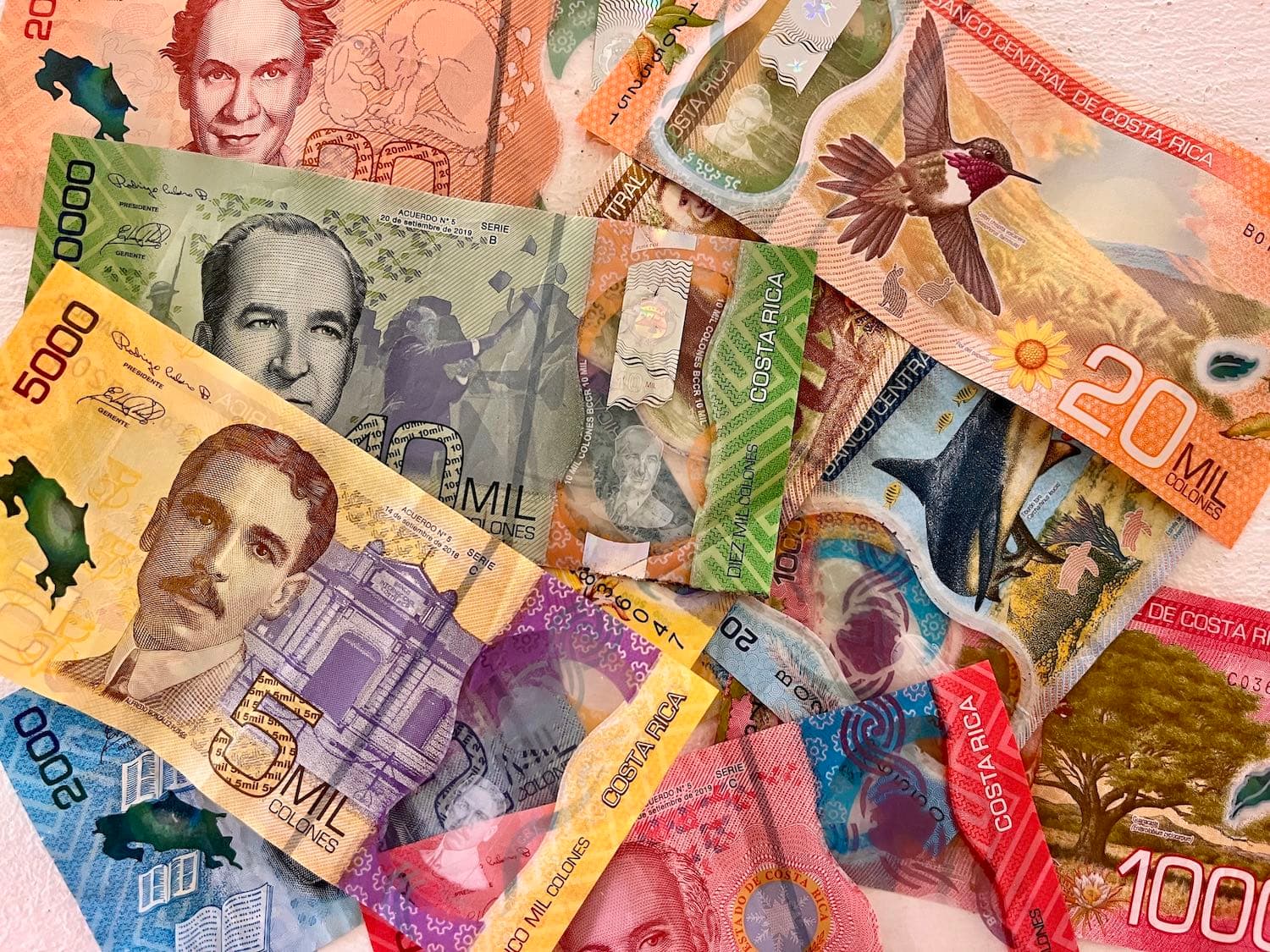
The official currency of Costa Rica is the Costa Rican colón (CRC). The colón is abbreviated as ₡ and often referred to in the plural as "colones." While U.S. dollars are widely accepted throughout the country, especially in tourist areas, using the local currency can sometimes yield better value.
Costa Rican Colón Exchange Rate
The exchange rate for the Costa Rican colón can fluctuate, but as of recent trends, the rate typically hovers around 530-570 CRC per 1 USD. It’s essential to check the current rate before your trip, as this will help you budget and understand the value of goods and services.
Most hotels, restaurants, and tour operators provide their exchange rates when accepting dollars, which may not always be as favorable as the official rate. If you're making larger purchases, paying in colones might save you money.
Exchanging money in Costa Rica
There are several ways to exchange your money once you arrive in Costa Rica:
- Banks – Major banks like Banco Nacional, Banco de Costa Rica, and BAC Credomatic offer currency exchange services. While their rates are often the most reliable, banks can have long lines and limited hours.
- ATMs – ATMs are readily available in most cities and tourist areas. They dispense colones and sometimes U.S. dollars. Be aware that fees may apply for international withdrawals.
- Hotels and Airports – While convenient, exchanging money at hotels or airports usually comes with higher fees and less favorable rates.
- Currency Exchange Offices – Known as "casas de cambio," these exchange offices are located in major cities and airports and often provide competitive rates.
Can you use U.S. Dollars in Costa Rica?
Yes, U.S. dollars are widely accepted in Costa Rica, particularly in hotels, tourist hotspots, and large stores. However, smaller establishments, local markets, and rural areas may only accept colones. Even when dollars are accepted, your change will likely be given in colones.
Writers's tips: Carry small denominations of U.S. dollars ($1, $5, $10, $20) as larger bills may not be accepted everywhere, or you may receive unfavorable exchange rates.
Credit cards and digital payments
Credit and debit cards are accepted at most hotels, restaurants, and shops, especially in urban areas and tourist destinations. Visa and Mastercard are the most widely accepted, while American Express may have limited acceptance.
Digital Payments: Services like Apple Pay, Google Pay, and local payment apps are growing in popularity but are not universally accepted. It’s best to have cash on hand for smaller vendors and transportation services.
You will often see that you can also pay with Sinpe. What is SINPE?

SINPE (Sistema Nacional de Pagos Electrónicos) is Costa Rica's national electronic payment system. It allows for quick and easy bank transfers between individuals and businesses. SINPE Móvil, the mobile version of the system, is widely used for peer-to-peer transactions, bill payments, and even some small purchases.
To use SINPE Móvil, all you need is a Costa Rican bank account and a phone number linked to it. Transactions are typically free or have minimal fees, making it a popular option among locals for cashless payments.
While SINPE is primarily used by residents, tourists staying for an extended period and opening a local bank account may find it convenient.
How much cash should you carry in Costa Rica?
Carrying a mix of colones and U.S. dollars is advisable. For daily expenses, $50-$100 worth of colones should suffice. For larger expenses, use credit cards or withdraw additional cash from ATMs as needed.
When traveling in rural areas or remote beach towns, cash is king. Always keep some emergency cash, as ATMs may be scarce or out of service.
Understanding prices in Costa Rica
Costa Rica is known for being one of the more expensive Central American countries, primarily due to its thriving tourism industry.
Here’s a general breakdown of typical costs:
- Meals at local sodas (small restaurants): 2,500 - 5,000 CRC
- Casual dining restaurants: 5,000 - 12,000 CRC
- Hotel stays (midrange): 40,000 - 80,000 CRC per night
- Tours and activities: 20,000 - 50,000 CRC per person
Tipping in Costa Rica
Tipping in Costa Rica is not obligatory, as a 10% service charge is typically included in restaurant bills. However, it is customary to leave a small additional tip for exceptional service.
- Restaurants: 5-10% on top of the service charge
- Tour guides: 3,000 - 5,000 CRC per person
- Hotel staff: 1,000 - 2,000 CRC for housekeeping or luggage assistance
Avoiding scams and fake currency
While Costa Rica is generally safe for travelers, it’s important to be vigilant with your money.
Here are some tips to avoid scams:
- Count your change: Always double-check the change you receive, especially in busy markets or from street vendors.
- Check for counterfeit bills: Colones have security features like watermarks and color-shifting ink. If a bill feels off, politely ask for another one.
- Be wary of unofficial money changers: Only exchange money at banks or reputable exchange offices.
Practical tips & final thoughts
Understanding Costa Rica's currency is a crucial part of planning a successful trip. By familiarizing yourself with exchange rates, knowing where to exchange money, and carrying a mix of colones and dollars, you’ll ensure smooth transactions throughout your stay.
Here is some of our advice :
- Download a currency converter app to quickly check exchange rates
- Keep cash in multiple locations to avoid losing everything if your wallet is stolen.
- Use a money belt or secure bag to carry large sums of cash discreetly.
- Break Large Bills at hotels or banks since smaller businesses may not accept high-denomination colones.
Whether you're zip-lining through the rainforest or relaxing on the beach, having a handle on your finances will let you enjoy everything Costa Rica has to offer without worry.