
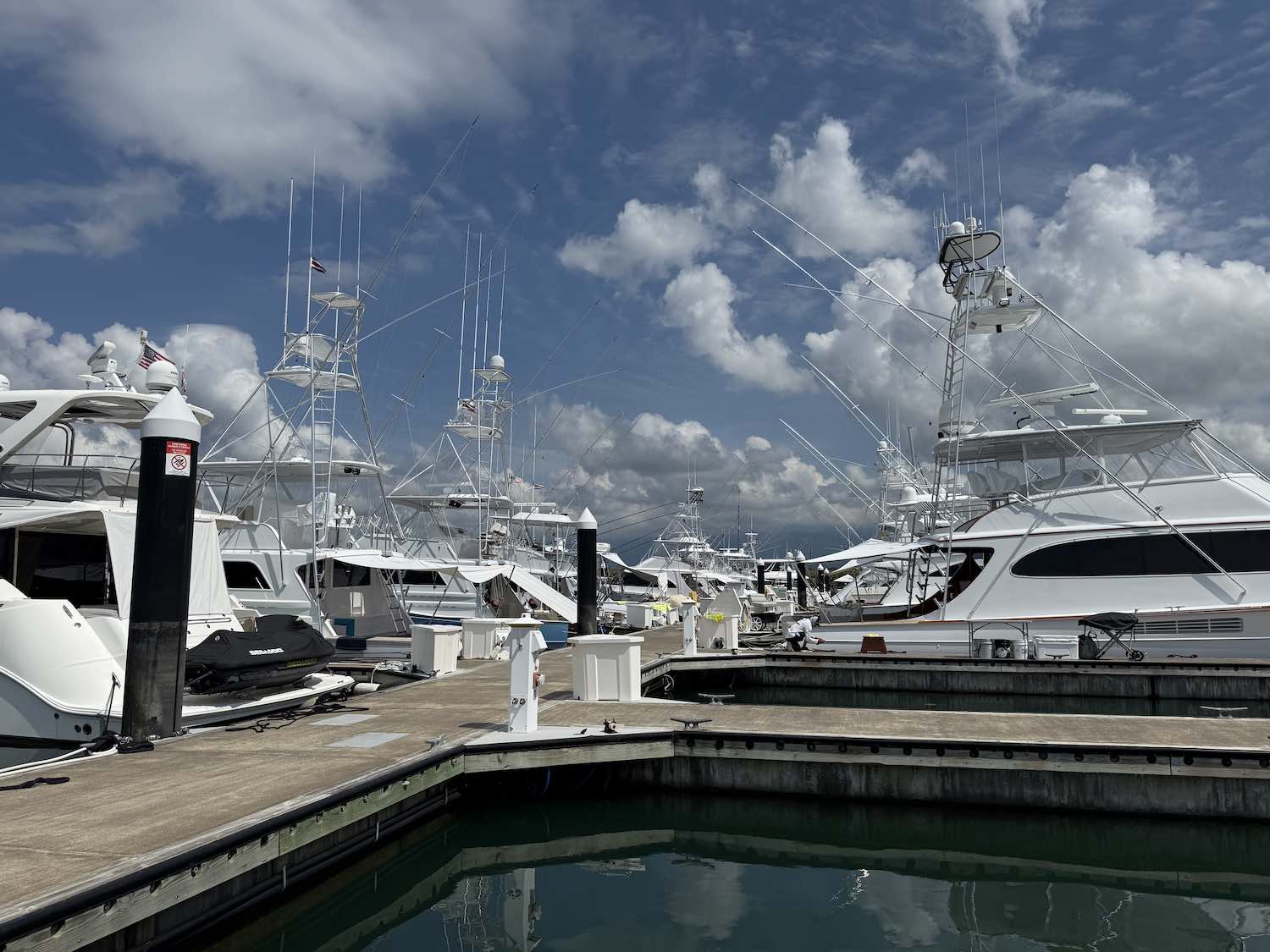
Quepos & Marina Pez Vela
Premier location for both offshore and inshore fishing. Famous for its billfish season and roosterfish action.
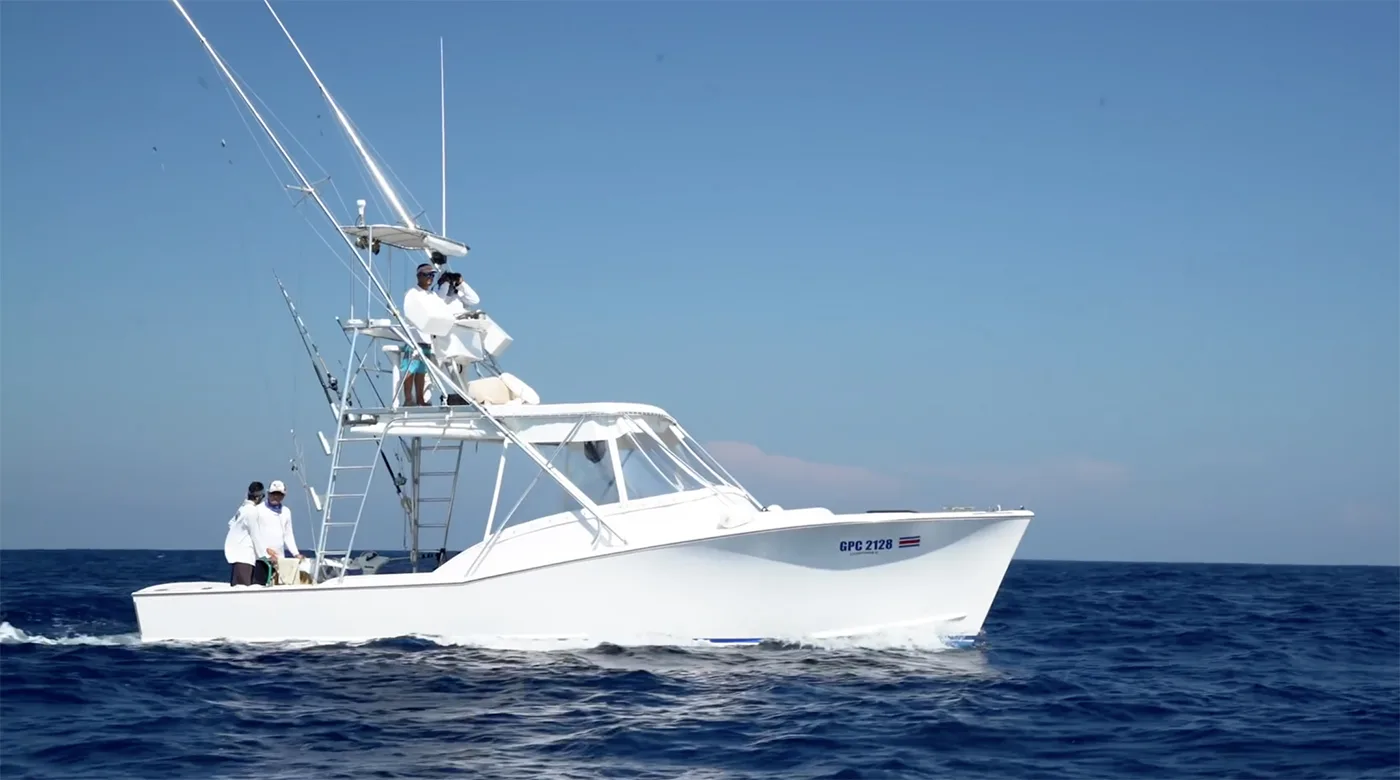
Compare departure areas, inshore and offshore trips, boat features and the details to confirm before you book a Costa Rica fishing tour.
Swipe horizontally to compare all trip details.
| Departure area | Useful base | Style | Signature species | Boats and departures |
|---|---|---|---|---|
| Caribbean (Parismina & Cahuita) | Caribbean coast | River & beach | Tarpon and snook are the celebrated species here, not billfish | A different fishery with its own seasons, crews and rules; our Pacific listings do not cover it. Plan it as its own trip and book a Caribbean-based operator. |
| Golfo Dulce (Golfito, Puerto Jiménez & Zancudo) | Osa / South Pacific | Both, remote | Inshore roosterfish and snapper; offshore billfish searched from a wilder coast | A deliberate destination, not an add-on. The gulf concentrates nature more than fleet size; build the itinerary around the departure. See the Golfito charter. |
| Gulf of Papagayo, Flamingo & Tamarindo | Guanacaste coast | Both | Roosterfish, snapper, mahi-mahi; sailfish and marlin offshore | Marina Flamingo is the concrete departure our listings use; “Papagayo” describes the wider gulf, not a single dock. See the Marina Flamingo charter. |
| Los Sueños · Herradura | Jacó / Herradura | Both | Marlin, sailfish, tuna, mahi-mahi; billfish released | Full-service marina associated with tournament sportfishing; a comfortable base for comparing larger crews. See the Los Sueños charter. |
| Quepos · Marina Pez Vela | Quepos / Manuel Antonio | Both | Sailfish, marlin, roosterfish; release-first billfish culture | Marina departure with a choice of coastal or offshore emphasis; confirm which style your booked hours realistically allow. See the Quepos charter. |
| Sámara & Puerto Carrillo | Nicoya Peninsula | Offshore-focused | Sailfish, mahi-mahi, tuna listed as seasonal possibilities | A beach-town departure that suits an itinerary already on this coast; confirm the exact harbor and meeting time. See the Sámara charter. |
| Santa Teresa, Montezuma & Nicoya | Southern Nicoya Peninsula | Both, small-boat | Roosterfish and snapper inshore; sailfish and mahi-mahi offshore | Beach launches with small local boats; boarding and sea state matter more than marina amenities here. See the Santa Teresa options. |
Planning comparisons only: species lists are what our area guides and tour listings describe as possible targets, never a guarantee for your date. Billfish and roosterfish are broadly fished on a catch-and-release basis in Costa Rica; whether a species must be released or may be retained is a current legal question — confirm it with your crew. We quote no prices because they change; check each listing.
Tours shown: 12 / 12 · sorted A–Z
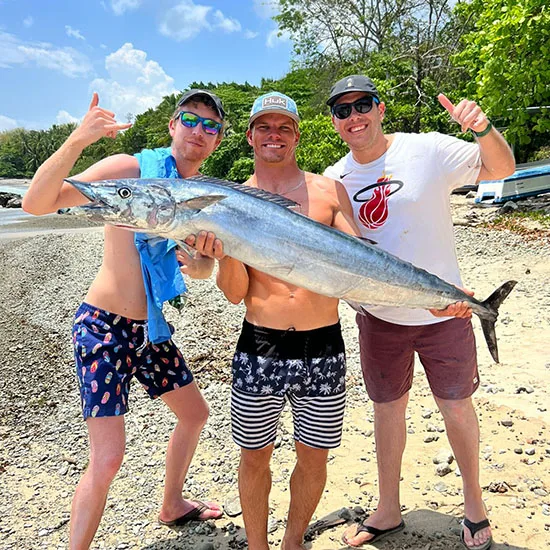
Santa Teresa · 8 hours
Boat: 22ft - Manta Too
Total taxes includedUSD 1356.00
Samara · 8 hours
Boat: 35ft - The Octopus III
Total taxes includedUSD 1017.00
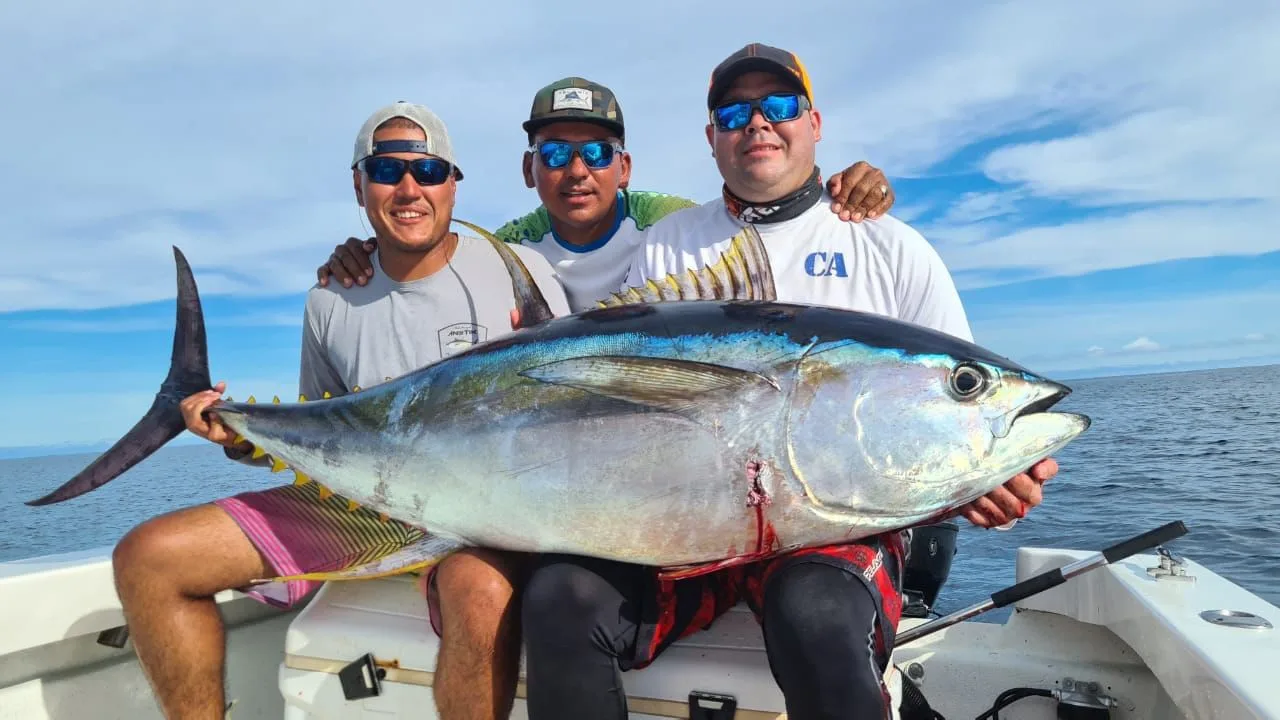
Golfito · 7 hours
Boat: 32ft - Contender
Total taxes includedUSD 1457.70
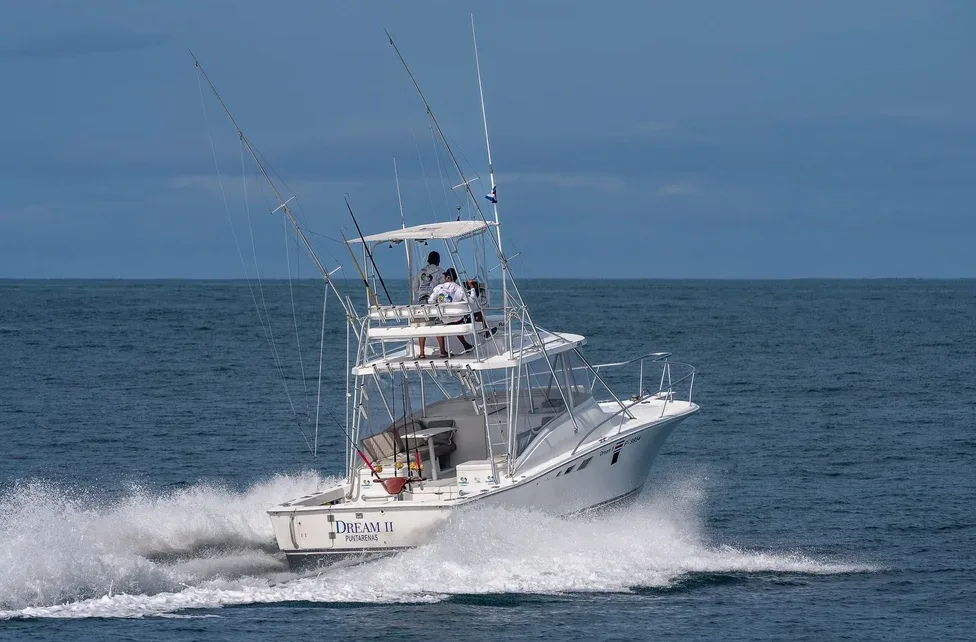
Jaco · 5 hours
Boat: 32ft - Dreamer II
Total taxes includedUSD 2426.11
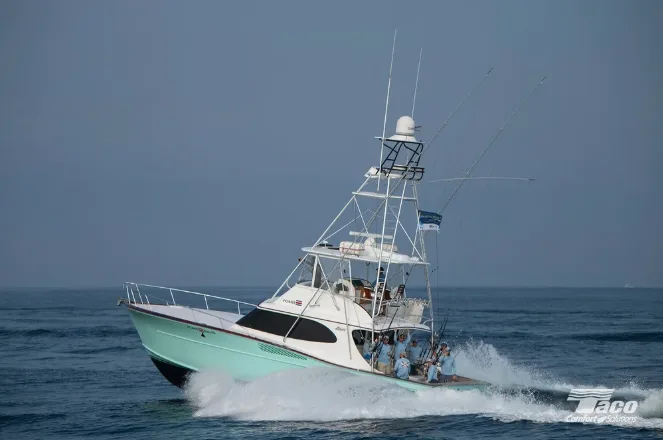
Jaco · 5 hours
Boat: 50ft - Satis Fly
Total taxes includedUSD 5107.60
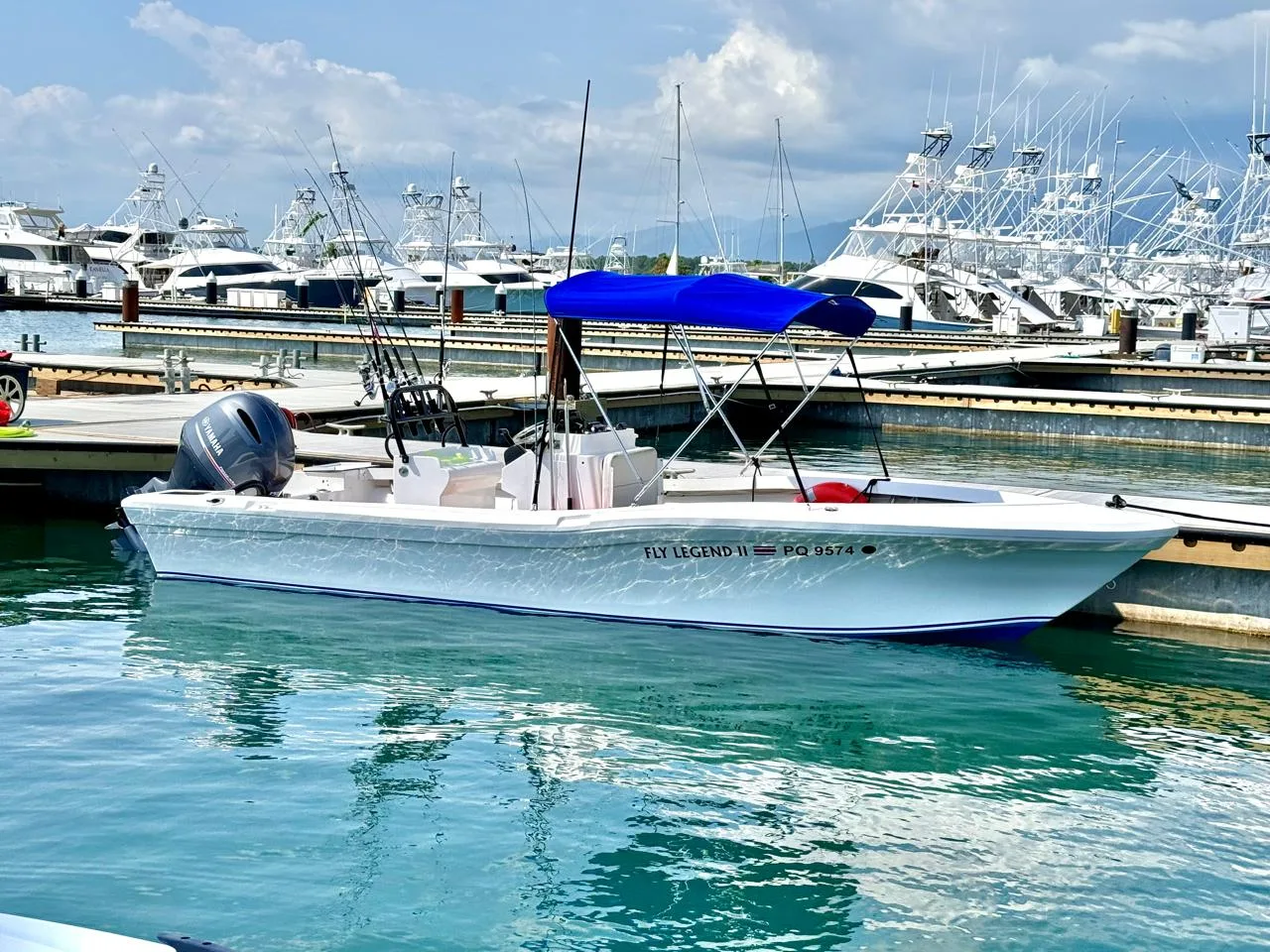
Manuel Antonio & Quepos · 5 hours
Boat: 25ft - Fly Legend
Total taxes includedUSD 678.00
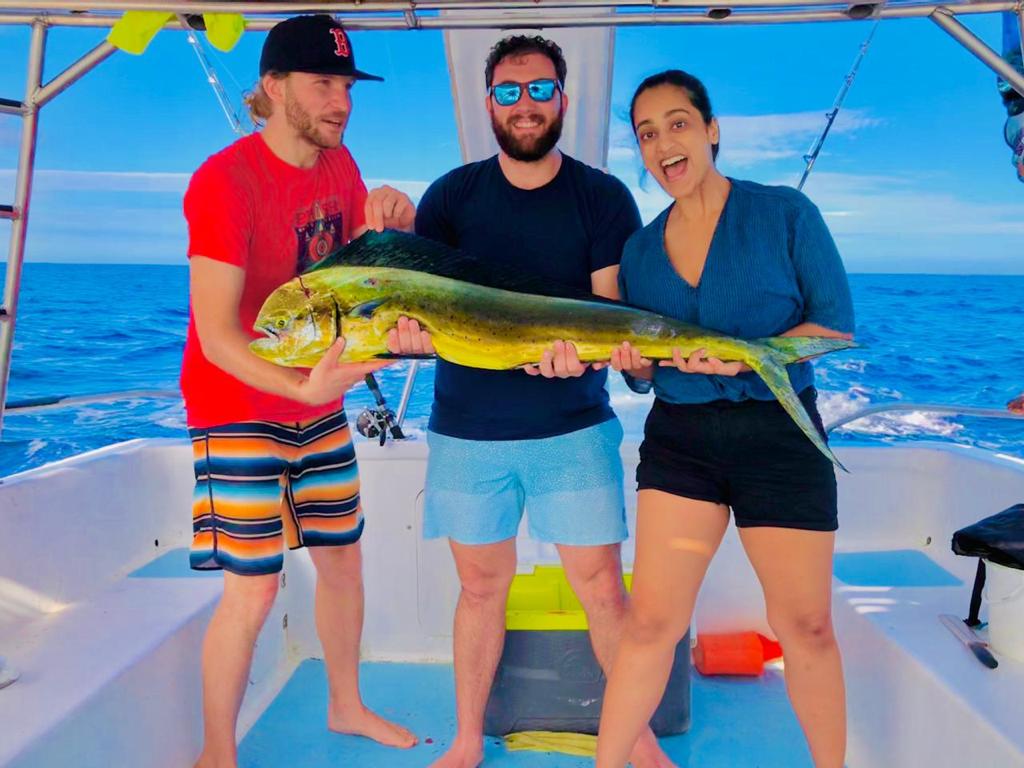
Samara · 4 hours
Tax breakdown unavailable for this amount.
Total taxes includedUSD 600.00
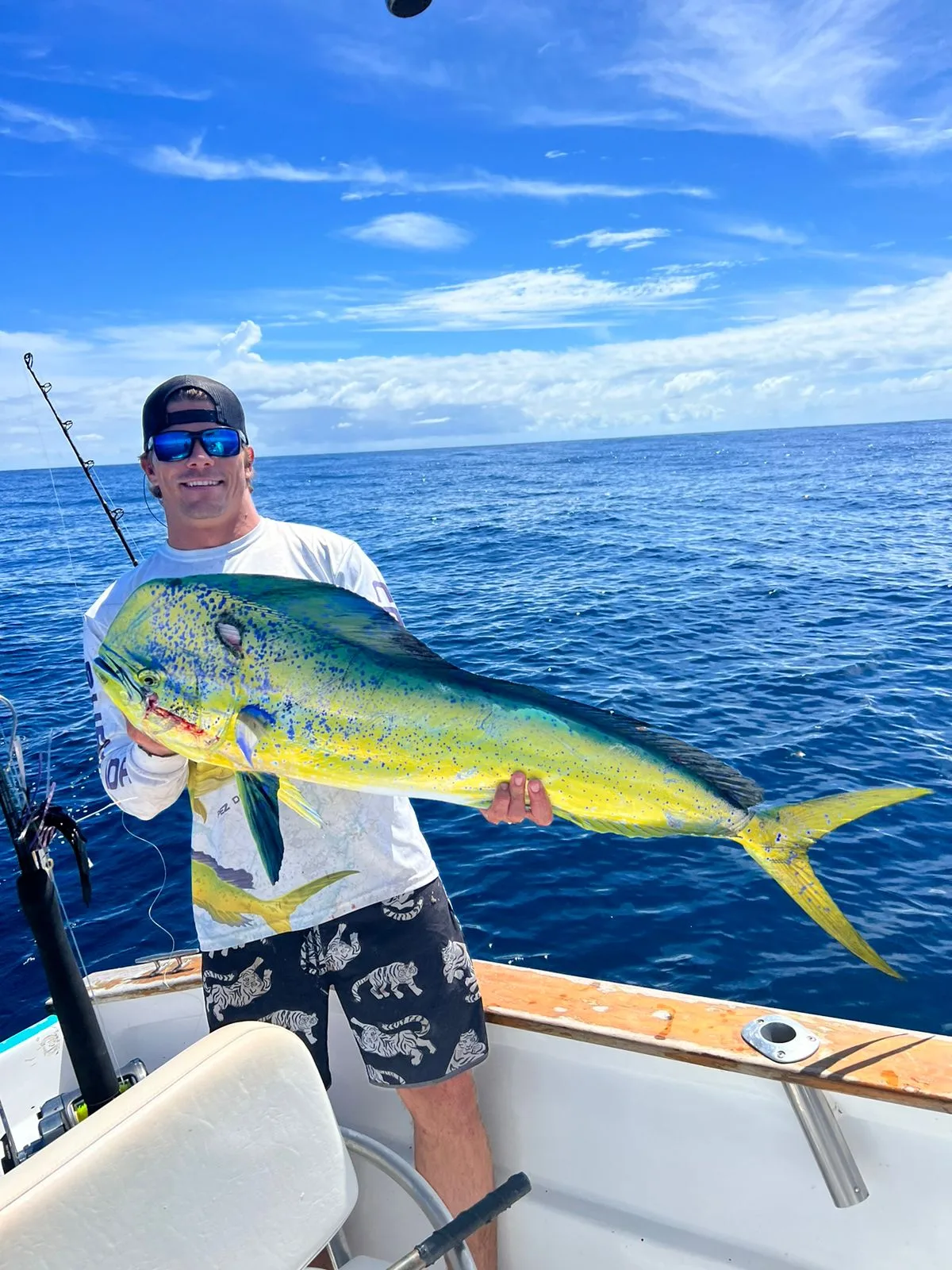
Santa Teresa · 3 hours
Boat: 22ft - Manta Too
Total taxes includedUSD 395.50
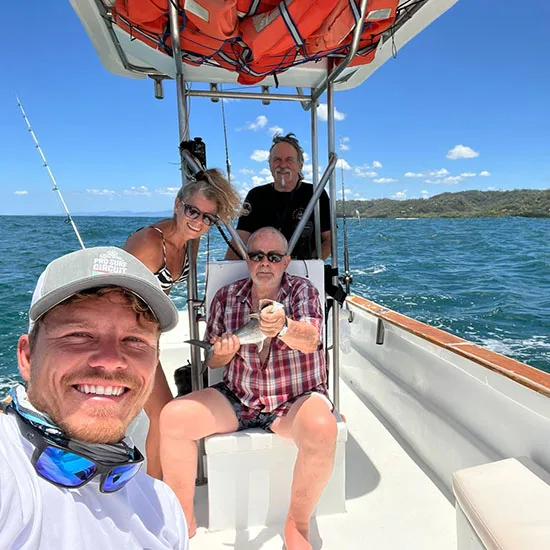
Santa Teresa · 4 hours
Boat: 22ft - Manta Too
Total taxes includedUSD 508.50
Flamingo · 7 hours
Boat: 31ft - Gamefisher II
Total taxes includedUSD 1237.35
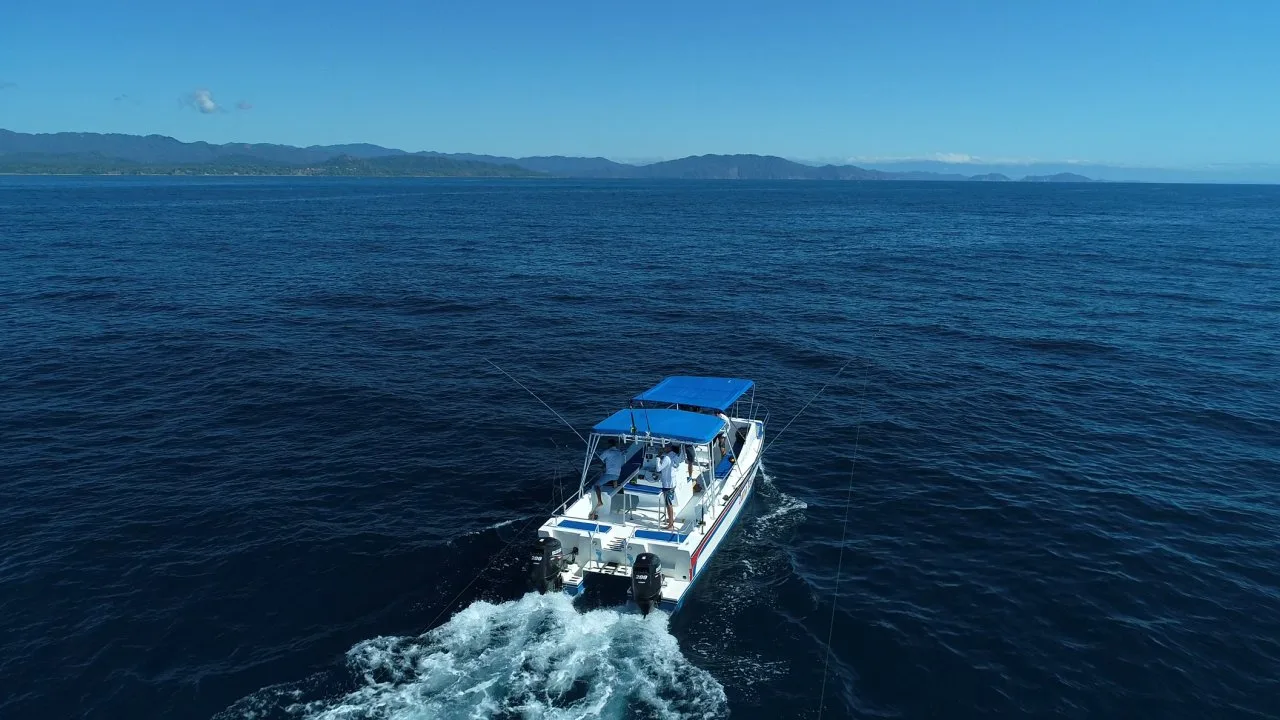
Montezuma · 5 hours
Boat: 42ft - Campari Spritz
Total taxes includedUSD 1130.00
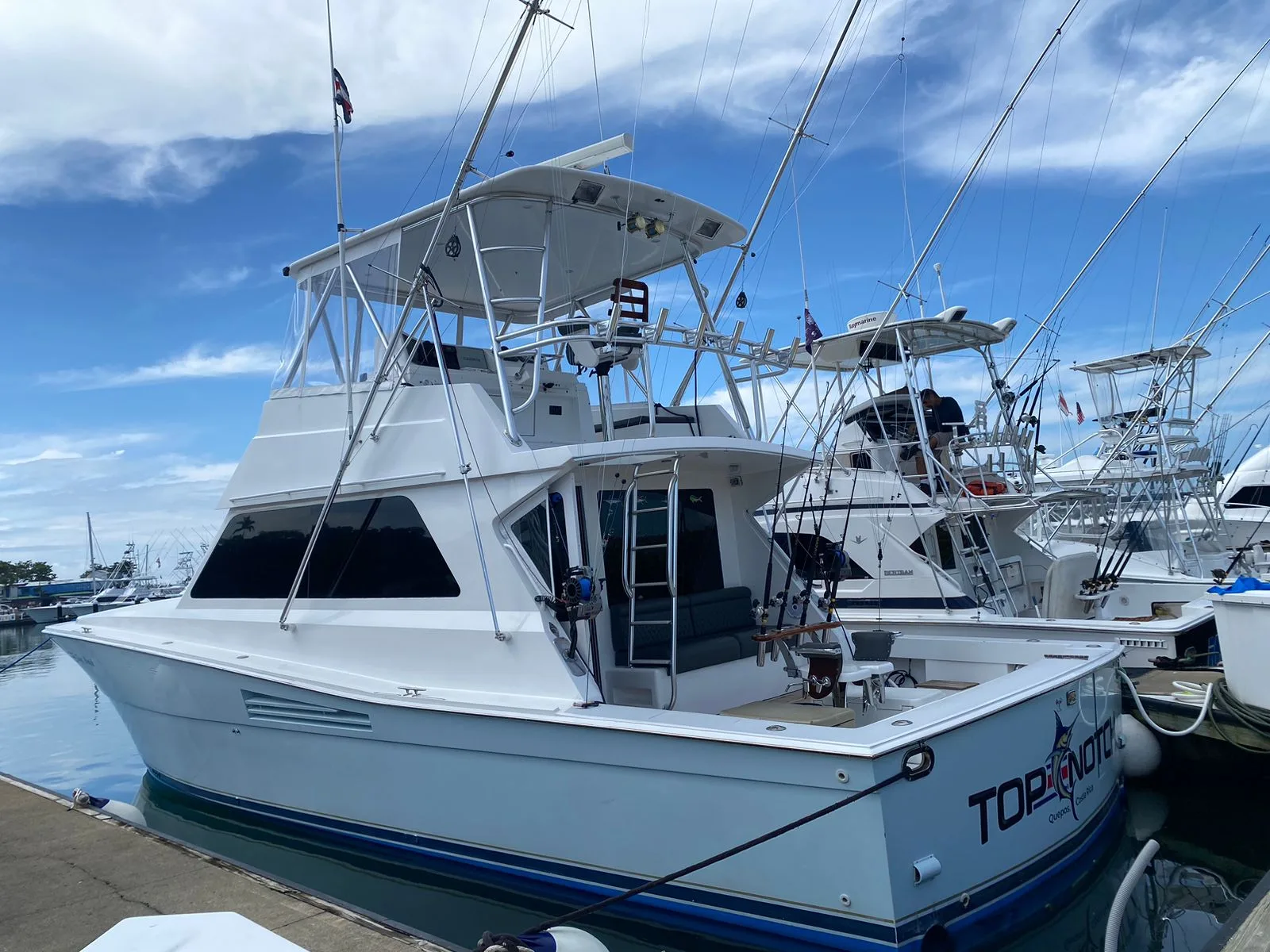
Manuel Antonio & Quepos · 7 hours
Boat: 45ft - Top Notch Viking
Total taxes includedUSD 1356.00
Costa Rica offers very different fishing days within one country. A short inshore outing from Quepos is not a smaller version of an offshore search from Los Sueños; a beach-town departure on the Nicoya Peninsula has different logistics from a marina charter in Guanacaste. The most useful question is not simply “Where are the fish?” It is “Which departure point, amount of time on the water and style of fishing fit this group?” Start with where you will actually stay, then work backward from the experience you want. Even an excellent crew cannot guarantee a species, a calm crossing or a catch.
This guide helps you narrow the choice before you reserve. It covers Pacific departure areas, the difference between inshore and offshore, questions to put to a booking team, and ways to protect both your trip and the fishery. The Quepos fishing guide and inshore fishing guide go deeper into those particular subjects; here the focus is comparing options across the country and making a sound booking decision.
The Pacific coast offers a useful range of settings: sheltered-looking bays, rocky shorelines, open-water runs and established marina departure points. That variety makes it possible to plan around your travel party rather than assuming every visitor wants to chase billfish. Some anglers want to cast or work bait around coastal structure; others want a dedicated offshore day. A child’s first outing, a mixed-interest family morning and a serious angler’s full-day charter call for different boats and expectations.
The Caribbean and inland waters offer other types of fishing, but they should not be treated as interchangeable with the Pacific tours described here. A tarpon trip, a freshwater outing and a Pacific sportfishing charter may involve different access, techniques and rules. If you are staying on the Caribbean coast or near Lake Arenal, ask for a destination-specific plan rather than booking a Pacific product because its title says “Costa Rica fishing.” The listings linked below are relevant to their named Pacific departure areas, not nationwide pickup services.
Fishing also works well as one part of a broader coastal stay. You do not have to commit every vacation day to it. A manageable inshore trip can leave time for the beach; an offshore enthusiast can reserve a dedicated day and keep a flexible second day in case conditions change. What you should avoid is scheduling your one nonrefundable fishing morning between a long road transfer and a fixed afternoon departure. A little room in the itinerary can be more valuable than an ambitious species checklist.
Premier location for both offshore and inshore fishing. Famous for its billfish season and roosterfish action.
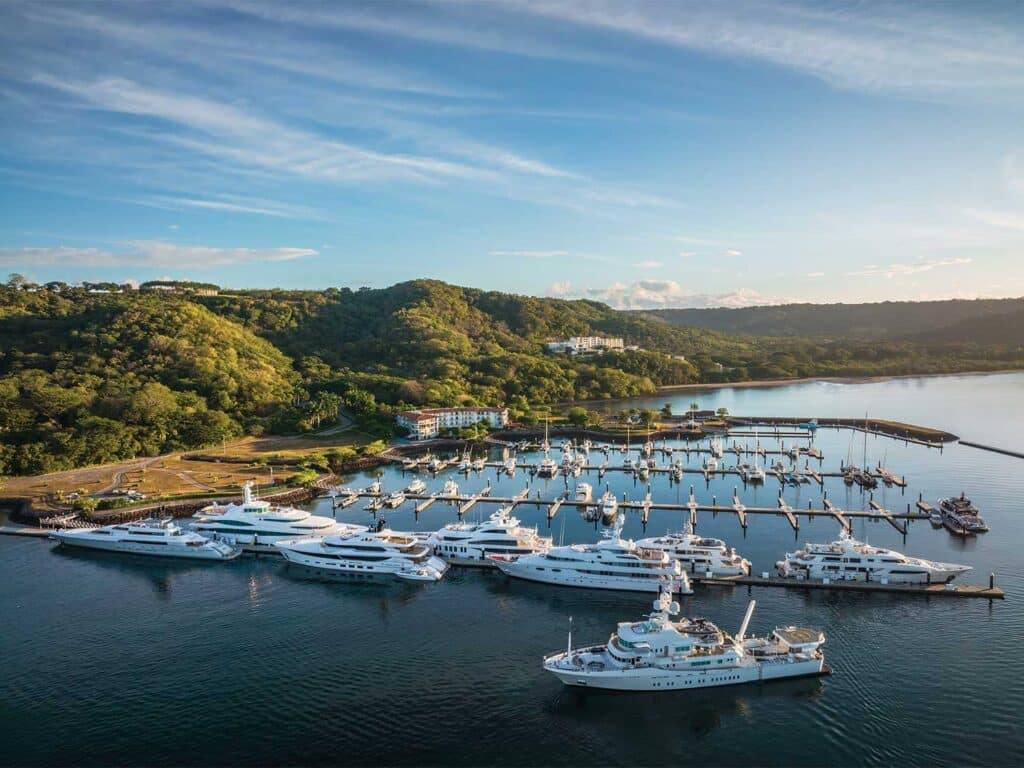
Calmer waters, family-friendly trips, great for mahi-mahi and roosterfish in the Gulf of Papagayo.
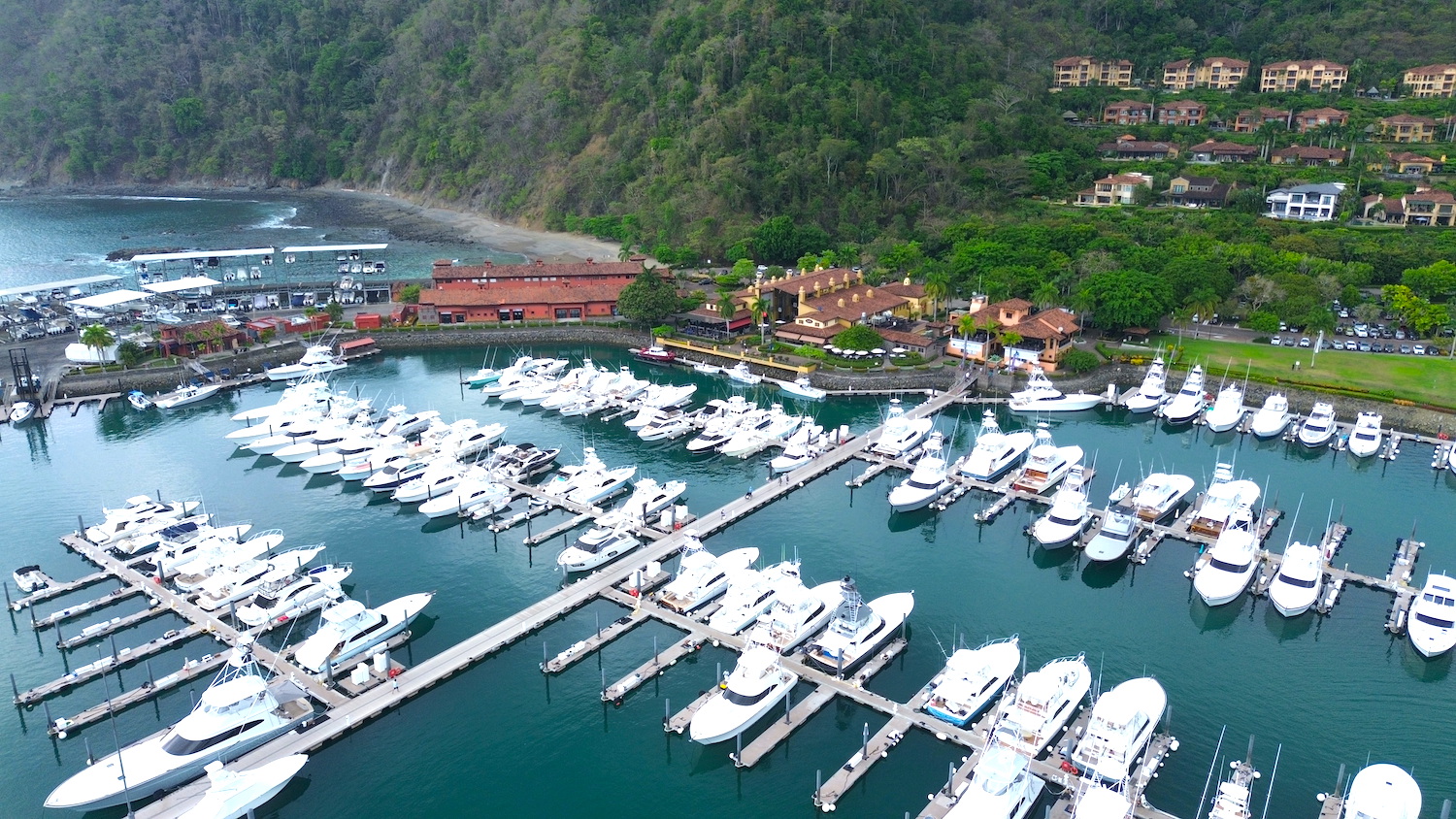
Luxury charters and high-end sportfishing crews just 1.5 hours from San José.
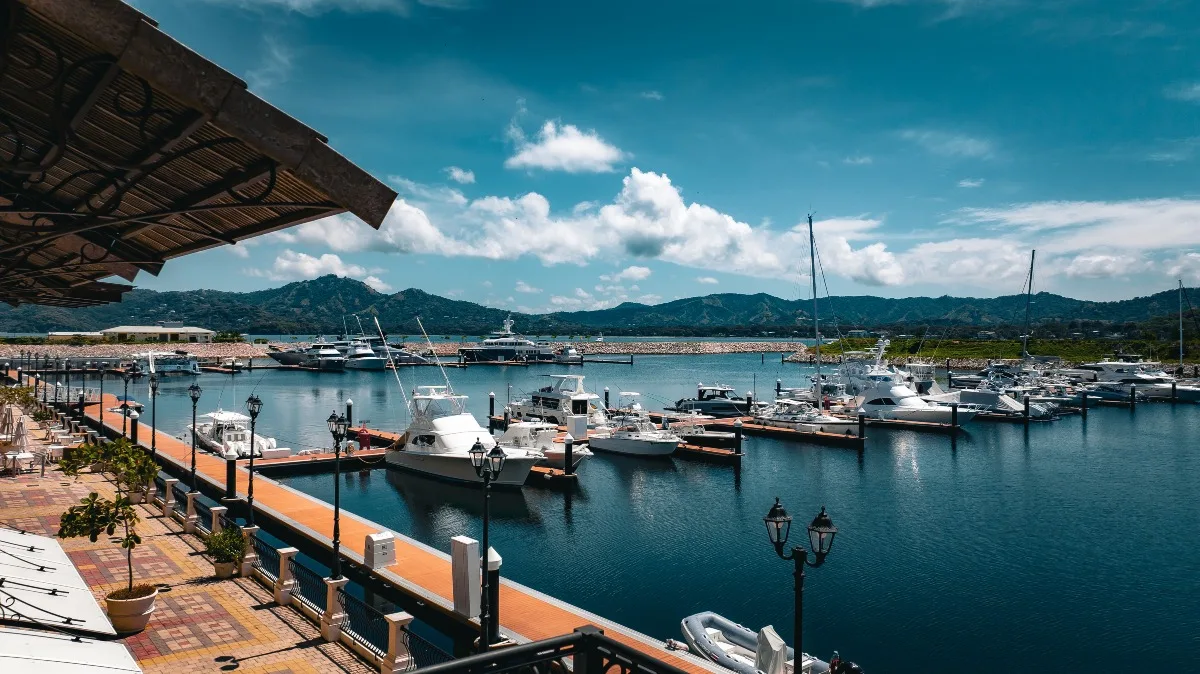
Easy access from Liberia. Great mix of offshore and inshore fishing.
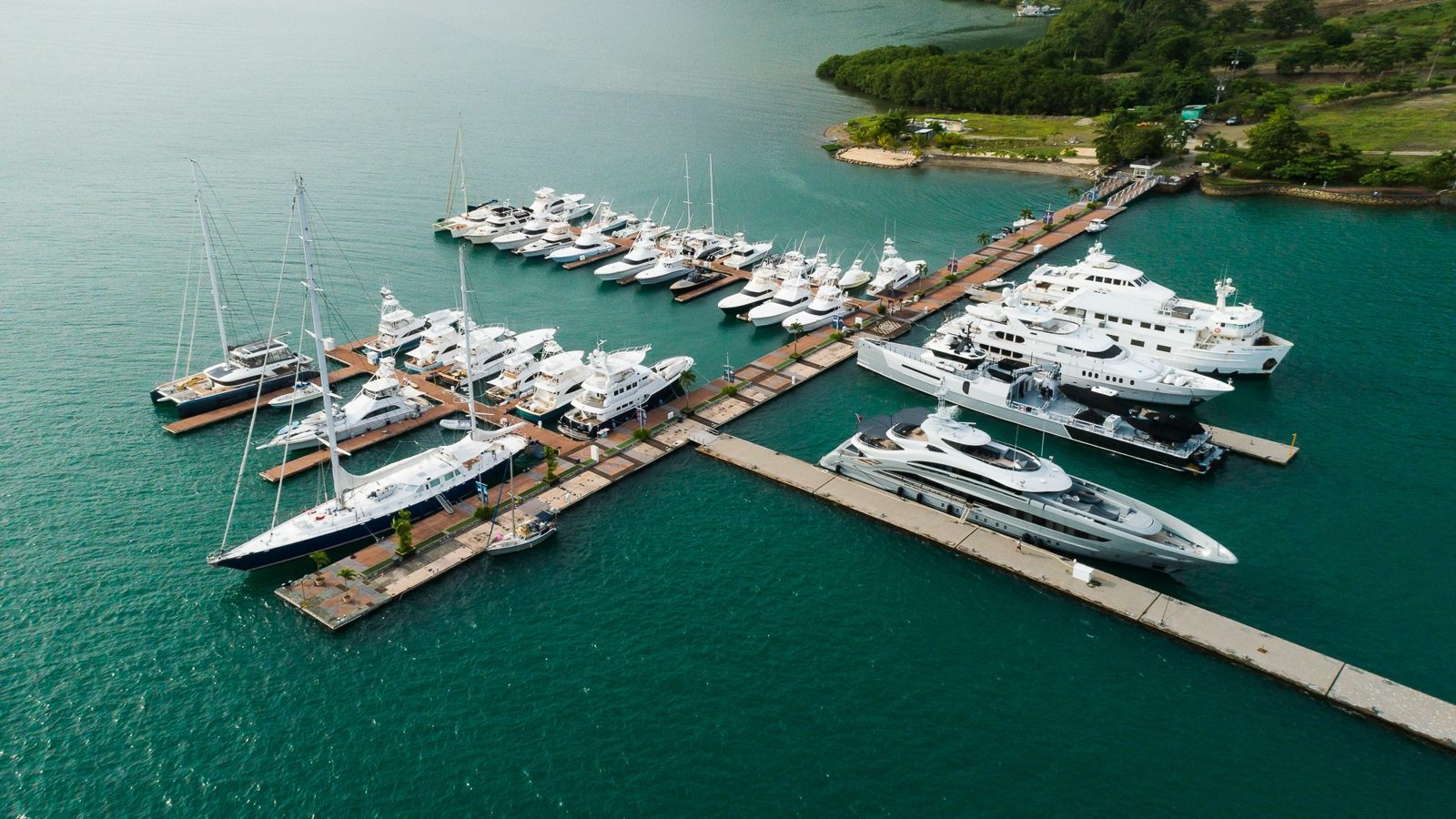
Wilder, more remote. Big fish action in the pristine setting of Osa Peninsula
If you are staying around Manuel Antonio or Quepos, start by clarifying the actual boat departure point. Marina Pez Vela is in Quepos; “Manuel Antonio” in a trip title may describe the visitor’s nearby base rather than a beach pickup. Quepos is a sensible comparison point for groups weighing a coastal inshore day against a longer offshore plan without changing hotels. A family with first-timers may prefer an inshore itinerary with an agreed return time. Someone who has traveled specifically to seek pelagic fish should discuss the offshore run and the time remaining for actual fishing after transit.
Do not assume “inshore” means you can see the hotel throughout the trip, or that “offshore” means a fixed distance from land. Ask what route is realistic on the forecast day and which alternative the crew would propose if the original plan is uncomfortable. The Marina Pez Vela inshore and offshore trip and the separate fishing option near Manuel Antonio are relevant starting points, not substitutes for checking their current departure details. For a local overview rather than another national species list, read the Quepos fishing guide.
Los Sueños Marina is associated with Herradura, near Jacó. If you are based in Jacó, verify how you will get to the marina and when you must be there; a generic “Jacó fishing” label does not make your hotel the meeting point. This area can suit a party that wants a marina departure and a choice of inshore or offshore emphasis. Comparing two boats from the same area is more useful than comparing only their marketing adjectives: ask about covered seating, onboard toilet, group capacity, fishing space and the amount of the booked period expected to be spent traveling.
An offshore-focused group should say so before booking; an “inshore and offshore” listing may describe available alternatives, not both experiences within one short outing. Conversely, a group that wants to fish rather than spend a long stretch moving to offshore grounds should say that clearly. See the Los Sueños inshore and offshore fishing trip, then confirm the chosen boat and trip format on the booking page. The Los Sueños marina article is a deeper area read, not a promise about any charter’s conditions.
Guanacaste covers a broad stretch of coastline. If you are staying in Tamarindo, Playa Flamingo or farther north, do not collapse them into a single pickup location. Marina Flamingo is a concrete departure point worth considering for visitors in that part of the province, but you still need to verify whether transport is provided and how long the transfer takes from your lodging. A comfortable early-morning departure can become a poor fit if it adds a major drive on both sides of a full-day charter.
Ask whether the charter can tailor its objective to your group and the day’s sea state. Some groups value a coastal outing and room to move around; others want enough time to search farther out. Do not use a seasonal species chart as a booking guarantee. The Marina Flamingo inshore or offshore fishing option is the relevant product to inspect. If your travel party prefers a marina setting with dining and other activities around it, that can be a practical reason to choose this base even when a forecast cannot tell you what will bite.
Santa Teresa is an appealing base for a dedicated coastal experience on the Nicoya Peninsula, but the trip must work with the local departure logistics. Ask exactly where you meet, how you board, and what happens if the planned launch is unsafe. These details matter especially to a family with small children, someone with limited mobility, or a guest who expects a large marina-style boat. Do not assume that a short drive on a map means a simple dockside boarding experience.
For a group primarily interested in a coastal outing, the Santa Teresa inshore fishing trip is a relevant comparison. The Santa Teresa deep-sea fishing option represents a different commitment of time and exposure. Decide which experience you actually want before comparing the listings. The local Santa Teresa fishing guide covers that destination in more detail; it should not be read as a promise that its described species or conditions will apply to your date.
Sámara can make sense when it is already part of your Nicoya Peninsula itinerary. A trip described as “Sámara” may also reference nearby Puerto Carrillo, so confirm the precise meeting point rather than assuming you can walk from your Sámara accommodation. Ask about boarding method, the planned return and whether the excursion is genuinely appropriate for a first-time angler or is designed around a longer offshore search. The Sámara and Puerto Carrillo offshore fishing listing is an option to investigate if you want that latter style; its title alone does not tell you whether an alternative inshore plan is available.
Sámara is not a fallback for a Quepos booking just because both places face the Pacific. Choose it if the location fits the rest of your holiday, not because a generalized “best fishing spots” list places it beside better-known marinas. If anyone in the party gets seasick easily, describe that before committing to an offshore product; an early return or inshore switch may not be included in the terms.
Golfito is a separate destination in the far south, not a quick add-on to a morning in Manuel Antonio. It may appeal to anglers already traveling through the southern Pacific who want to make fishing a central part of the stay. Build the itinerary around the departure area and confirm where the boat meets you, rather than assuming a transfer from elsewhere on the coast. This is particularly important if you are arranging multiple hotels or onward travel on the same day.
The Marina Bahía Golfito inshore and offshore fishing trip gives you a location-specific listing to review. Ask which style is realistic for the time purchased and what the plan becomes if the sea state changes. “Remote” should be a planning consideration, not a guarantee of a wilder catch or a better day than a more accessible marina.
Inshore generally means fishing coastal water and features such as points, rocky areas or other appropriate structure, subject to local rules and the captain’s judgment. The attraction is not merely that the trip may be shorter. Depending on the boat and conditions, the crew may spend more of the booking period fishing rather than transiting to distant grounds, and guests can often discuss a more varied, hands-on day. But nearshore water is not automatically flat or sheltered. Swell, wind, rain and the particular launch can still make a short trip uncomfortable or impossible.
Offshore means committing to open-water fishing, usually with more travel time and a less predictable return on the hours invested. It appeals to anglers who would value the search itself even if nothing bites. On some days the crew may be able to pursue pelagic species; on others weather, fuel range or fish movement changes the plan. A booking page that mentions sailfish, marlin, tuna or mahi-mahi identifies possibilities, not a menu of guaranteed catches. If your aim is one named species, ask what alternatives you would still enjoy if conditions do not support that target.
A mixed or flexible charter can work for groups with different priorities, but “inshore and offshore” in a product name may mean a choice at booking, a route decided on the day or different durations sold under one listing. Ask which it is. A family cannot safely infer that everyone can vote to change plans halfway through a distant offshore run. Put the primary goal and the weather fallback in writing before paying.
For first-time anglers, a shorter inshore plan may be a more forgiving introduction, provided the launch and boat fit the guests. For experienced anglers who want a deliberate open-water search and accept more transit, offshore may be the right use of a full day. For a mixed group, choose a boat with enough shade, space and seating for the non-anglers as well as fishing equipment for the anglers. There is no universally “better” water: the better choice is the one people will still enjoy if the catch count is zero.
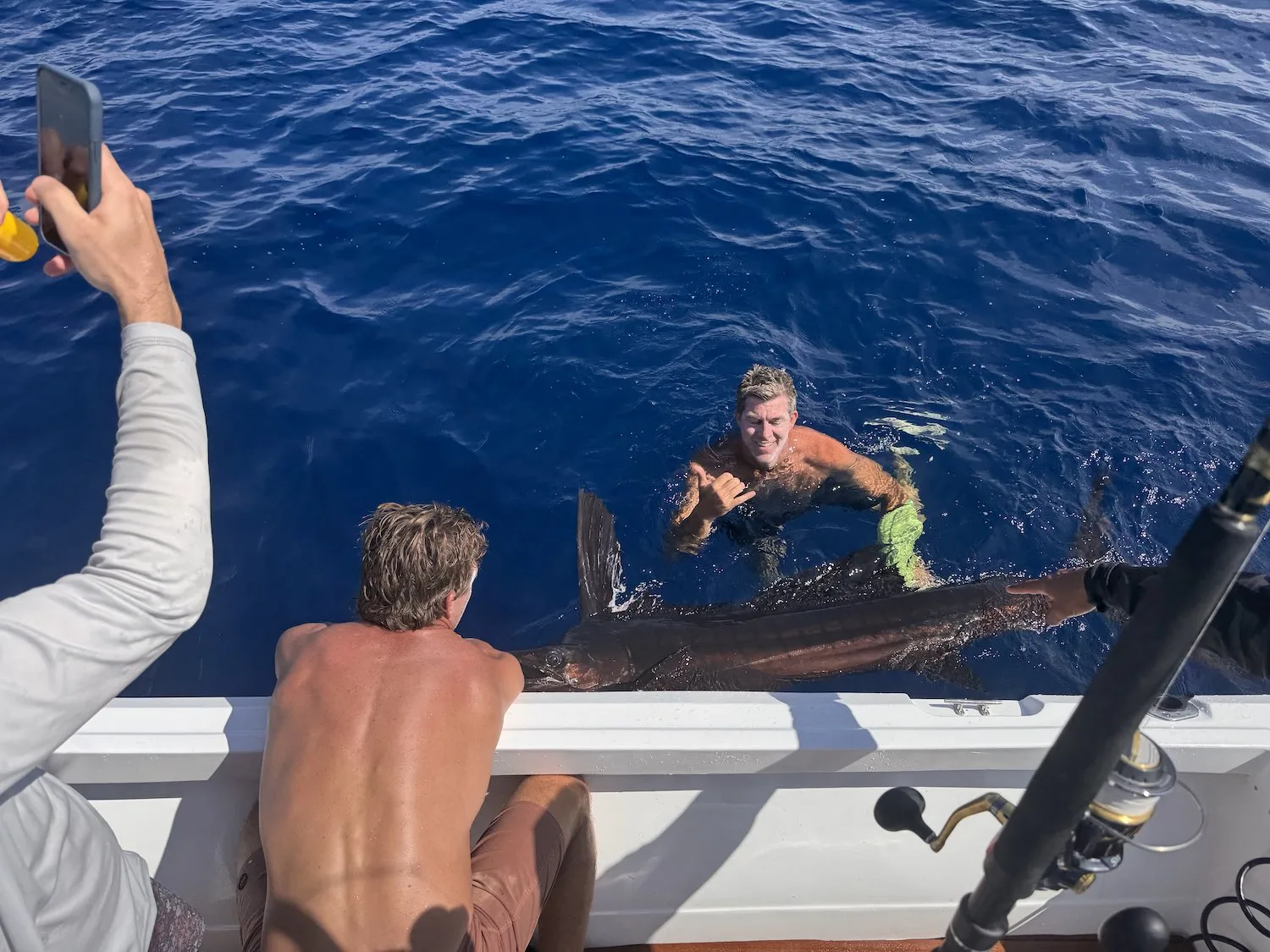
Perfect for beginners and families
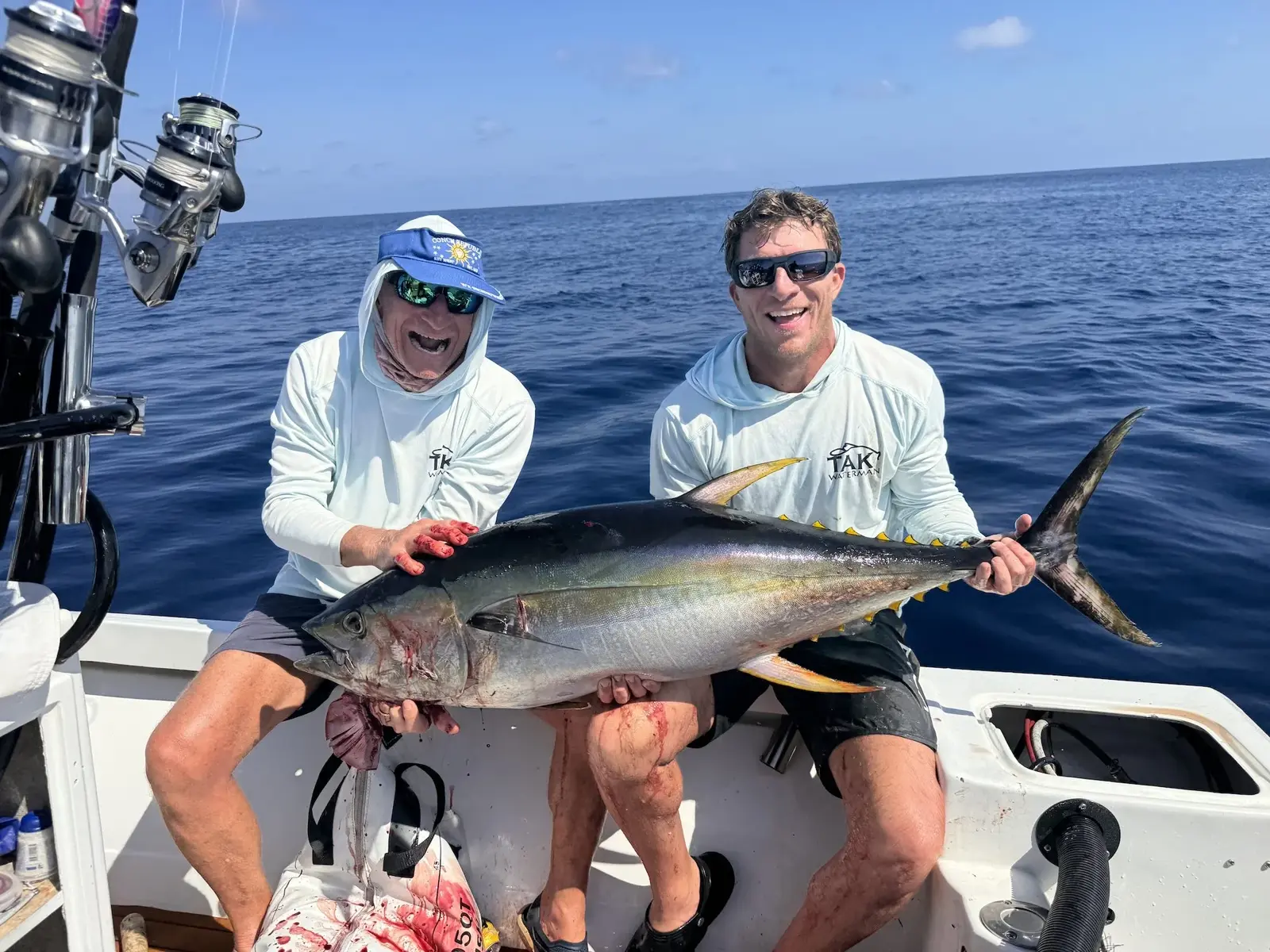
Ideal for experienced anglers chasing big game
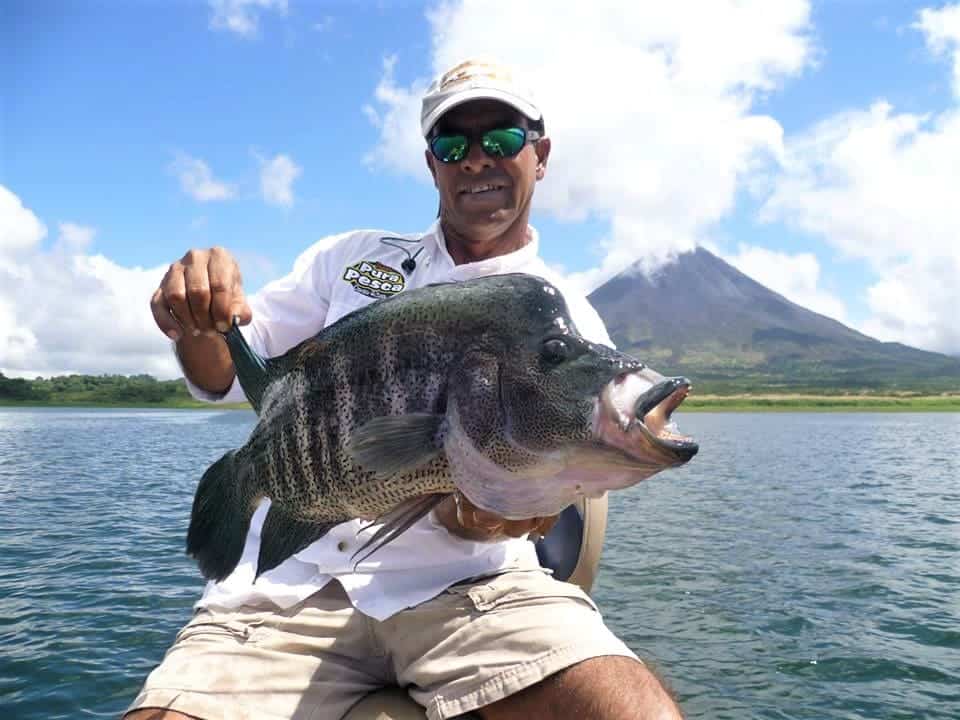
Popular around Lake Arenal and mountain rivers
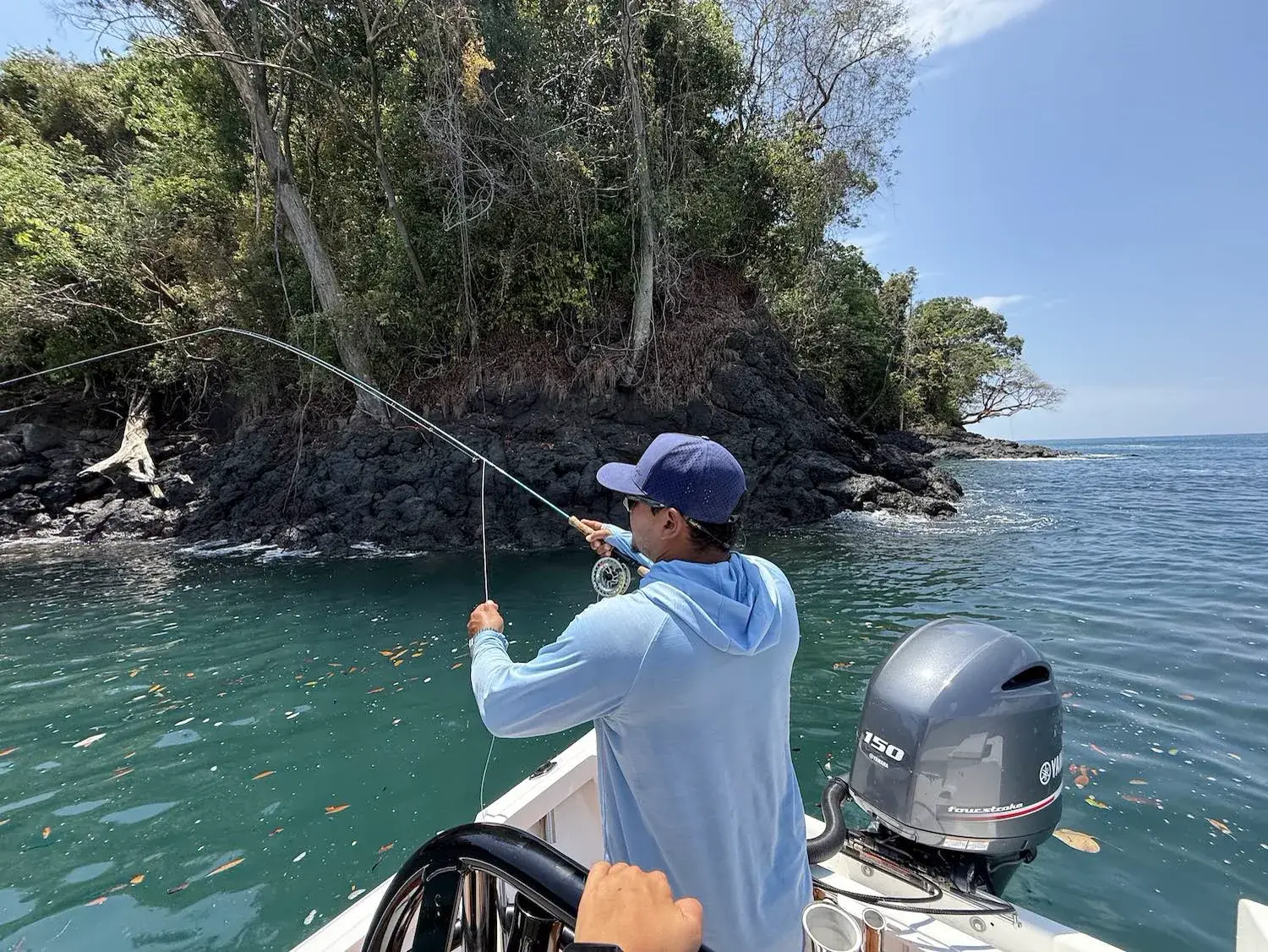
Best on Caribbean coast, jungle rivers, or remote beach areas
Start with the people, not the hull length. Tell the booking team how many passengers are coming, their ages where relevant, whether anyone has mobility concerns, and who actually wants to fish. A boat that is comfortable for two active anglers may feel crowded with several spectators; a bigger boat may be unnecessary for a couple who want a focused coastal outing. The published capacity should be checked against the actual number of people onboard, including any non-fishing companions.
Then compare the trip’s usable time. “Half day” and “full day” are labels, not a statement of how many hours lines will be in the water. Request the scheduled departure and return, likely transit for the chosen style, and any fuel or distance limitation. If a listing offers both inshore and offshore, ask whether the price and duration change with the option. If the group wants to combine sightseeing with fishing, say so and ask whether the itinerary can accommodate it without implying a wildlife encounter or a particular route.
Ask what comfort and safety provisions the actual boat carries: shade, seating, toilet if important, drinking water, flotation gear appropriate to the passengers, and a communication plan. For a guest with reduced mobility, specifically discuss boarding and movement around the deck rather than treating a marina address as proof of accessibility. If seasickness is a concern, ask how the team handles an early return and whether the booked trip can be changed before departure. Bring any medication question to a clinician or pharmacist rather than relying on a charter to provide it.
Finally, compare the real departure logistics. A good fishing product on the wrong coast is not a good match for your holiday. Confirm whether you are meeting at a marina, harbor or beach, how to find the boat, when check-in begins and whether pickup is included or must be arranged separately. Leave time to get there; a late arrival can cost more fishing time than choosing a different trip length.
Use the product page as a starting point, then get unresolved details confirmed for your date and exact trip. Save the written confirmation, including any agreed variation from the listed itinerary.
Ask whether each angler needs a current fishing license or other authorization for this activity, who obtains it, what information is required, and whether its cost is included. Rules and procedures can change; do not assume that a boat’s paperwork covers each guest. Request the current official guidance if you are unsure.
Check tackle, bait, fuel, refreshments, meals, ice and fish handling individually. A phrase such as “all equipment included” may not answer whether food, special tackle or gratuities are covered. Ask what you should bring and whether you may use your own gear.
Confirm the boat assigned, capacity, layout, shade and toilet where needed. If a substitution is possible, ask how a different vessel will be approved and what happens if it does not meet your group’s needs. Do not infer amenities from a generic photograph.
Get the exact meeting point, check-in time and return point. Ask whether transport from your hotel is included, optional or not offered. Distinguish the listed departure location from the town used in a tour’s searchable title.
Ask who decides whether the boat can safely leave, when that decision is communicated, and what applies if weather prevents departure. Clarify whether a delay, reschedule, credit or refund is offered under the actual terms, and whether voluntary cancellation or an early return is treated differently. Do not expect rain alone to trigger a cancellation.
State inshore or offshore preference, any species of interest, and whether release is your priority. Confirm the legal boundaries, handling approach and what happens to any fish that may legally be retained. A “catch your dinner” phrase should never override current rules or the crew’s judgment.
If a detail matters enough to change your decision, ask it before the payment deadline. A screenshot of a summary card is not a substitute for the current booking conditions. Compare like with like: a longer charter, a different boat and a different departure area should not be judged by one headline price, and this guide does not quote prices that may change.
Anglers fishing from a boat in Costa Rica are expected to carry a valid sportfishing license issued by INCOPESCA, the Costa Rican fisheries institute; our license and regulations guide explains who needs one and how the purchase works. In practice the license is often arranged by the charter or booking team rather than bought at the dock by each guest, but that is a service to confirm, not an assumption to make. Ask who obtains the license, what information is required from you and whether it is included in the amount you pay.
The same guide summarizes the conservation rules that shape a day on the water: marlin, sailfish and roosterfish are treated as release species, circle hooks are the standard practice when fishing natural bait for billfish, and fishing inside protected marine zones is prohibited. A licensed, registered boat with a certified crew is the baseline, not a premium.
Rules and procedures can change, and we deliberately quote no fee figures here. Before paying, confirm the current requirement for your exact trip — inshore, offshore and freshwater situations are not always identical — and keep the written answer with your booking confirmation.
Costa Rica does not have a single national fishing season that predicts success on every coast. Species, ocean conditions and charter availability vary by place and time. A monthly chart can help formulate a question for a local crew, but it cannot say what will happen on your booking date. Even within a generally favorable period, the captain may change the target, route or departure time because conditions on the water are different from a regional average.
The dry and green seasons also should not be translated into “safe and successful” versus “unsafe and empty.” Rain may be localized or arrive later in the day; wind and swell may matter more to your particular launch and route. An apparently pleasant beach morning does not establish offshore conditions. Conversely, a shower in town does not by itself explain whether a charter will operate. Ask how forecasts are reviewed, how close to departure the decision is made and how your contact details will be used to notify you.
If your trip revolves around a particular fish, discuss a range of dates and a fallback objective. If your vacation is fixed, choose the experience—coastal casting, a dedicated offshore search, or a family day on a suitable boat—that makes sense even without that fish. Avoid stacking a flight, a long road transfer and a fishing charter on the same day. Allowing one flexible day is useful when an operator can reschedule, but confirm the applicable policy rather than assuming a replacement boat or date will be available.
Costa Rica has no single national fishing calendar, and any month-by-month chart would overstate what anyone can promise. What our guides do describe is a broad pattern: on the Central Pacific, the dry-season months are generally associated with sailfish prospects offshore, while the green season brings its own mixed fishing without empty seas. Treat that as a reason to pick a range of dates, not a guarantee for one week.
Roosterfish and other inshore species are caught from Pacific bays and beaches in every part of the year, but “year-round” means the fish live there — not that every day suits the boat. Wind, swell and runoff change what an inshore crew can safely and productively do, sometimes week to week.
The Caribbean works on a different rhythm again. Tarpon and snook fishing around the river mouths and lagoons is described as seasonal in our area writing, with quiet stretches between the runs; a Caribbean plan should be built around those local seasons rather than a Pacific chart.
Whichever coast you choose, conditions vary and the honest planning step is the same: tell the crew your dates and target, ask what is realistic, and keep a fallback activity. A captain who says “that week is uncertain” is giving you better information than one who promises a calendar.
Ask about release practices before departing, especially if the aim is billfish or roosterfish. A responsible plan should prioritize suitable tackle, a controlled fight and careful handling, with the crew making decisions based on the fish’s condition and current regulations. Avoid demanding a long photo session with a stressed fish. Whether a species must be released, may be retained, or is subject to other restrictions is a current legal question, not something to settle from an old travel article. Follow the captain’s lawful instructions and ask questions when a proposed practice seems inconsistent with conservation.
The same care applies beyond the catch. Do not request fishing inside a protected area or close to wildlife for a photograph. Keep loose lines and plastic out of the water, bring a refillable bottle if the boat permits it, and use sun protection that suits a long day outdoors. If children are onboard, explain that a quiet interval is normal and that lines, hooks and a moving deck need attention. A successful family trip may be one where everyone feels safe and would go again, with or without a photo of a fish.
Our role at Pura Vida Traveling is to help match your plans with a relevant trip and clarify the booking details. We do not promise a catch, weather, a particular crew member or the “best value” independent of what is actually included. Tell us where you are staying, who is going and what matters most; that is far more useful than asking for the single best fishing tour in all of Costa Rica.
We can help you compare the fishing tours listed on this site against your dates, location and group needs. Tell us whether you prefer a coastal outing or an open-water search, and which departure area fits your itinerary. We will point you toward relevant booking options and help identify details to confirm before payment.
Availability, included services, weather decisions and cancellation terms vary by product; check those on the booking page. We do not guarantee a species, catch, particular crew or result. If you are unsure, browse the fishing tours on this page and ask about the options that interest you.
Use these guides for the specific departure area, license question or fishing style you are considering.
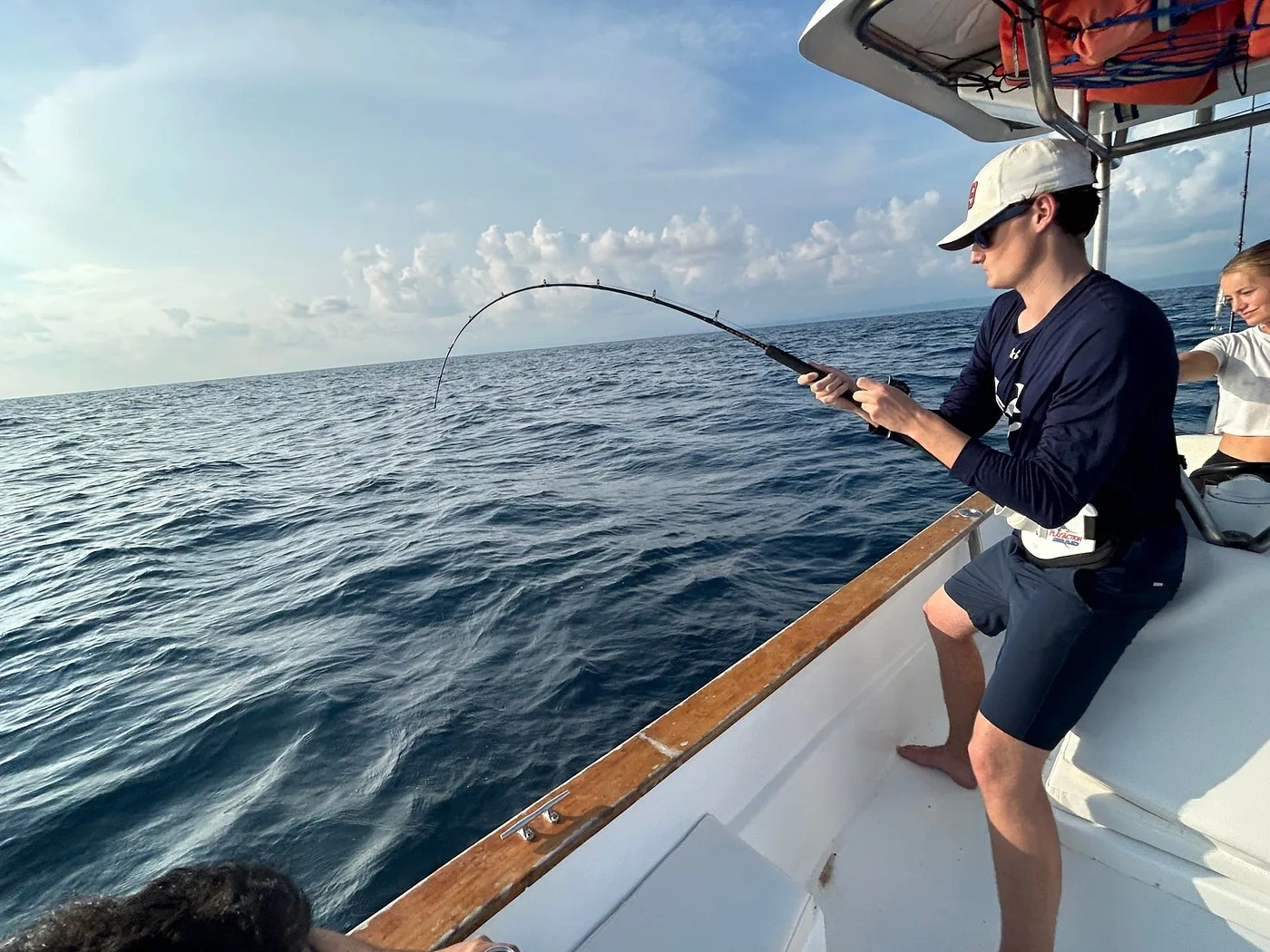
Santa Teresa , Costa Rica isn’t just famous for its surf and sunsets—it’s also a top fishing destination on the Nicoya Peninsula. With rich Pacific waters, experienced local captains, and year-round fishing opportunities, Santa Teresa is perfect for beginners, families, and experienced anglers alike. At Pura Vida Traveling, we help travelers find the best fishing tours in Costa Rica, whether you want a relaxed inshore trip or a full offshore deep-sea adventure. Why Go Fishing
Read more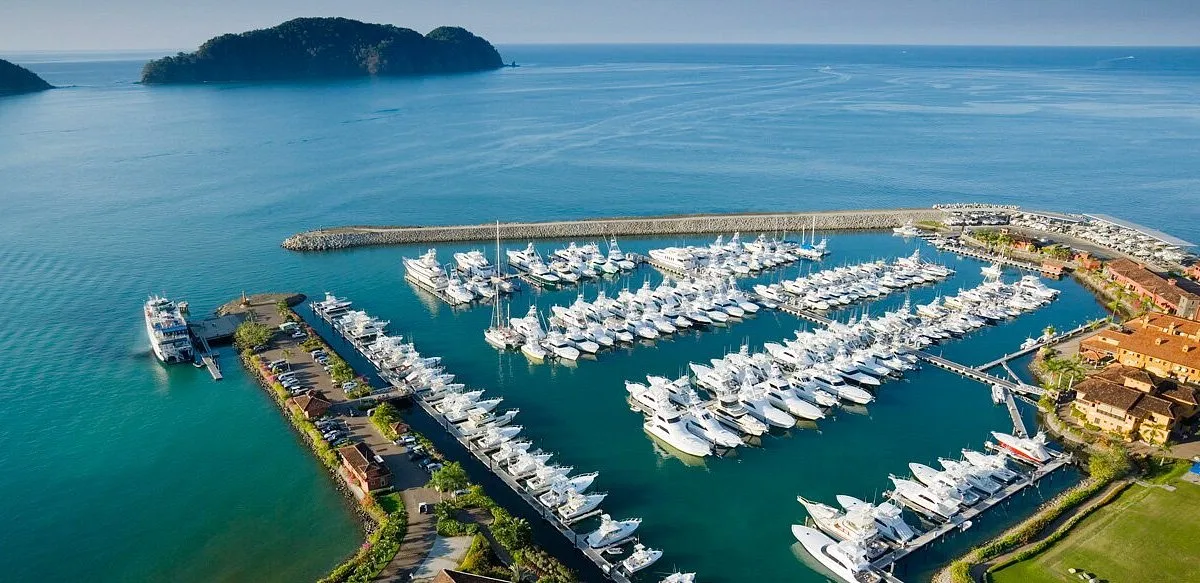
Located in the heart of Herradura Bay, just minutes from Jaco Beach, Los Sueños in Jaco is one of Costa Rica’s most luxurious and adventure-filled destinations. Known for its world-class marina, stunning scenery, top-tier dining, and easy access to rainforest and ocean activities, it’s a must-visit spot for families, backpackers, groups, and solo travelers alike. Whether you’re dreaming of a relaxing day by the beach, a high-adrenaline offshore fishing charter, or exploring
Read moreIf you're looking for a unique and personalized adventure in Costa Rica, look no further. Our exclusive private boat tour in Quepos , near Manuel Antonio National Park, is the perfect way to explore the stunning Pacific waters. Whether you're a seasoned angler or a first-time fisherman, experience the thrill of fly fishing in Costa Rica with my friend and expert guide, Fabian, a local Tico with years of experience and a deep passion for fishing. Believe me, you will not be
Read more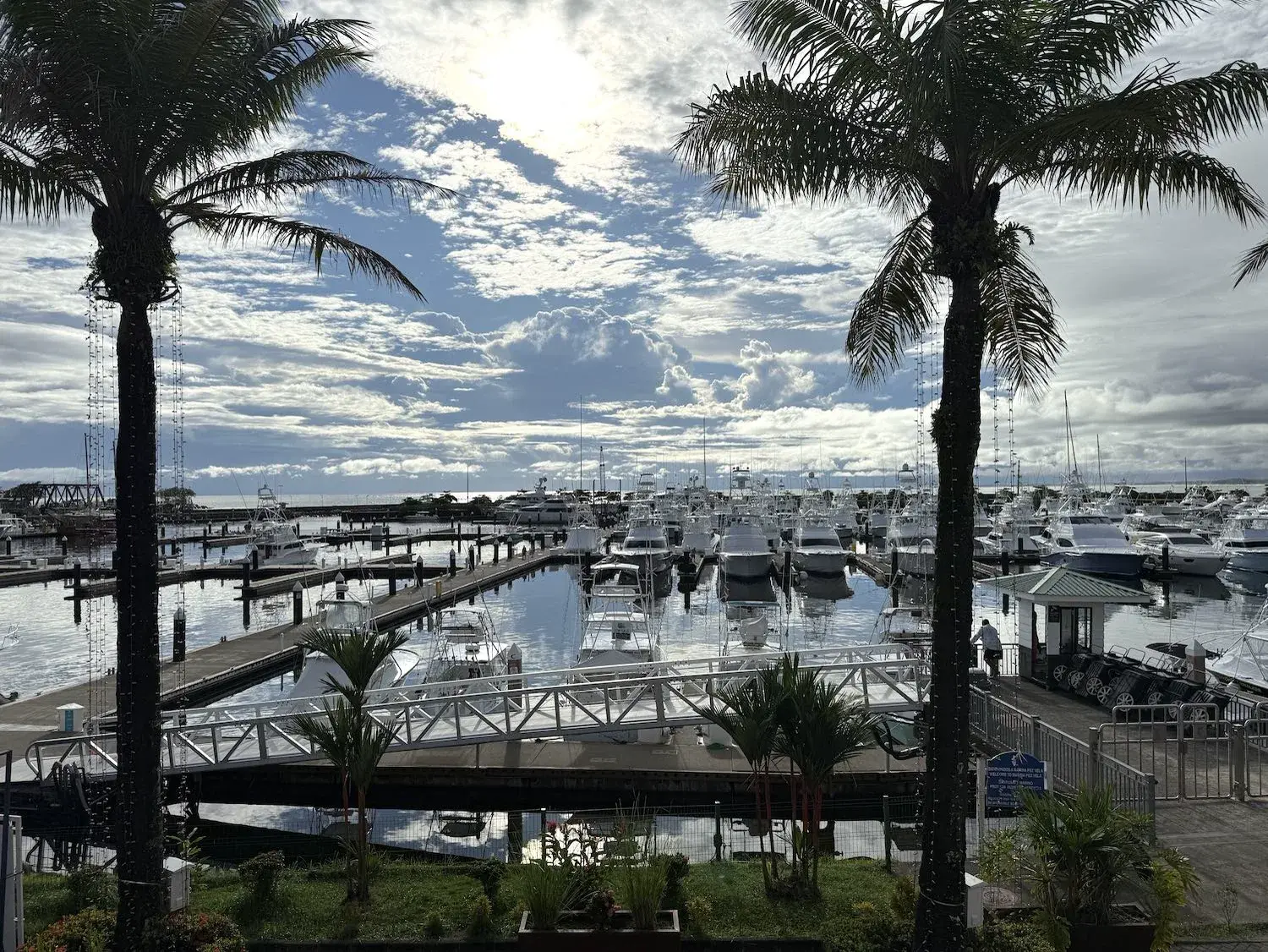
When people think of Quepos , Costa Rica, two things often come to mind: world-class sportfishing and its proximity to Manuel Antonio National Park . At the heart of this coastal town lies Marina Pez Vela , a state-of-the-art marina and lifestyle hub that has transformed Quepos into a world-class destination for travelers, anglers, and ocean lovers alike. Whether you’re planning a fishing adventure, looking for fine dining with ocean views, or simply want to soak in the vibra
Read more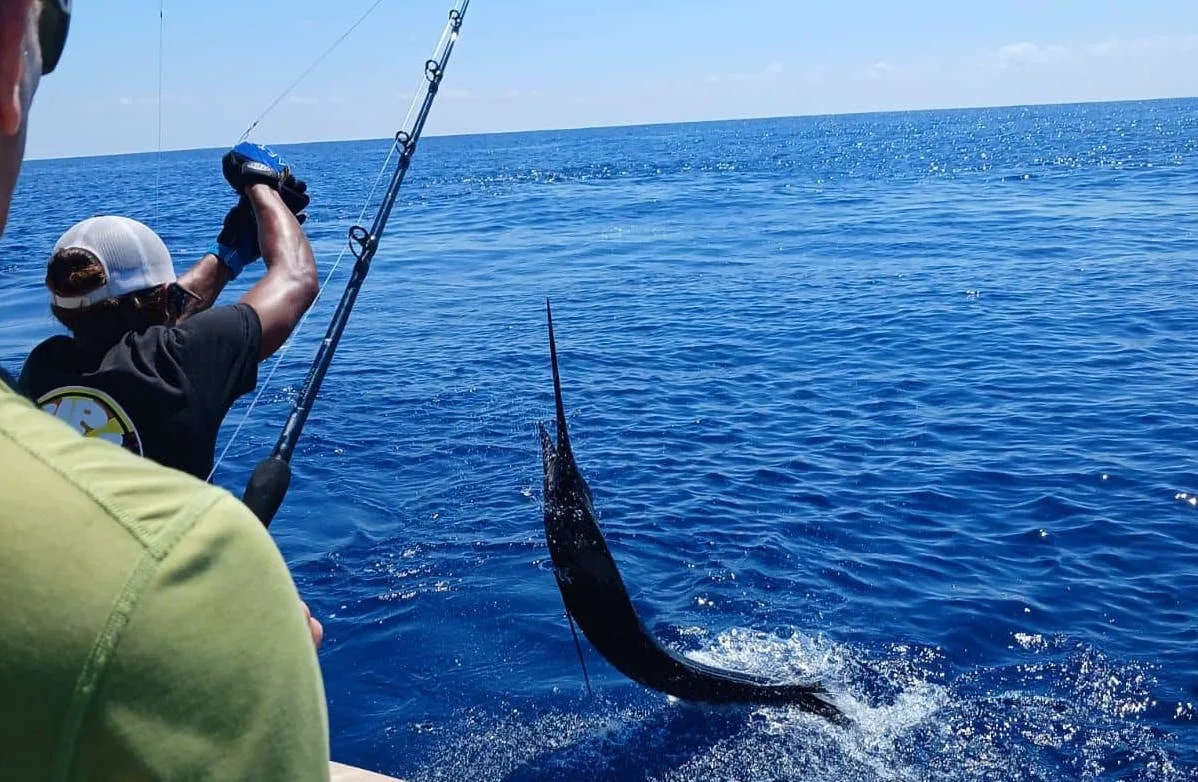
Costa Rica is more than lush rainforests, exotic wildlife, and breathtaking beaches—it’s a world-class fishing destination that belongs on every angler’s bucket list. Whether you’re a seasoned sportfisher chasing trophy marlin offshore or a casual traveler seeking inshore action close to the coast, Costa Rica offers diverse fishing experiences year-round. In this guide, discover what makes fishing in Costa Rica so legendary, the best regions to cast your line, top species you
Read moreIf you're dreaming of a luxurious beach getaway with access to world-class fishing, breathtaking ocean views, and high-end amenities, Flamingo Marina Resort Costa Rica is the place to be. Nestled on the stunning Gold Coast of Guanacaste, this destination blends tropical relaxation with premium services and thrilling marine adventures. In this guide, we'll explore what makes the Flamingo Marina Resort and the adjacent Marina Flamingo such an exceptional destination—and how you
Read more
If you're planning to go sportfishing in Costa Rica , whether offshore for marlin or inshore for roosterfish, one thing you shouldn’t...
Read moreDesign updated: