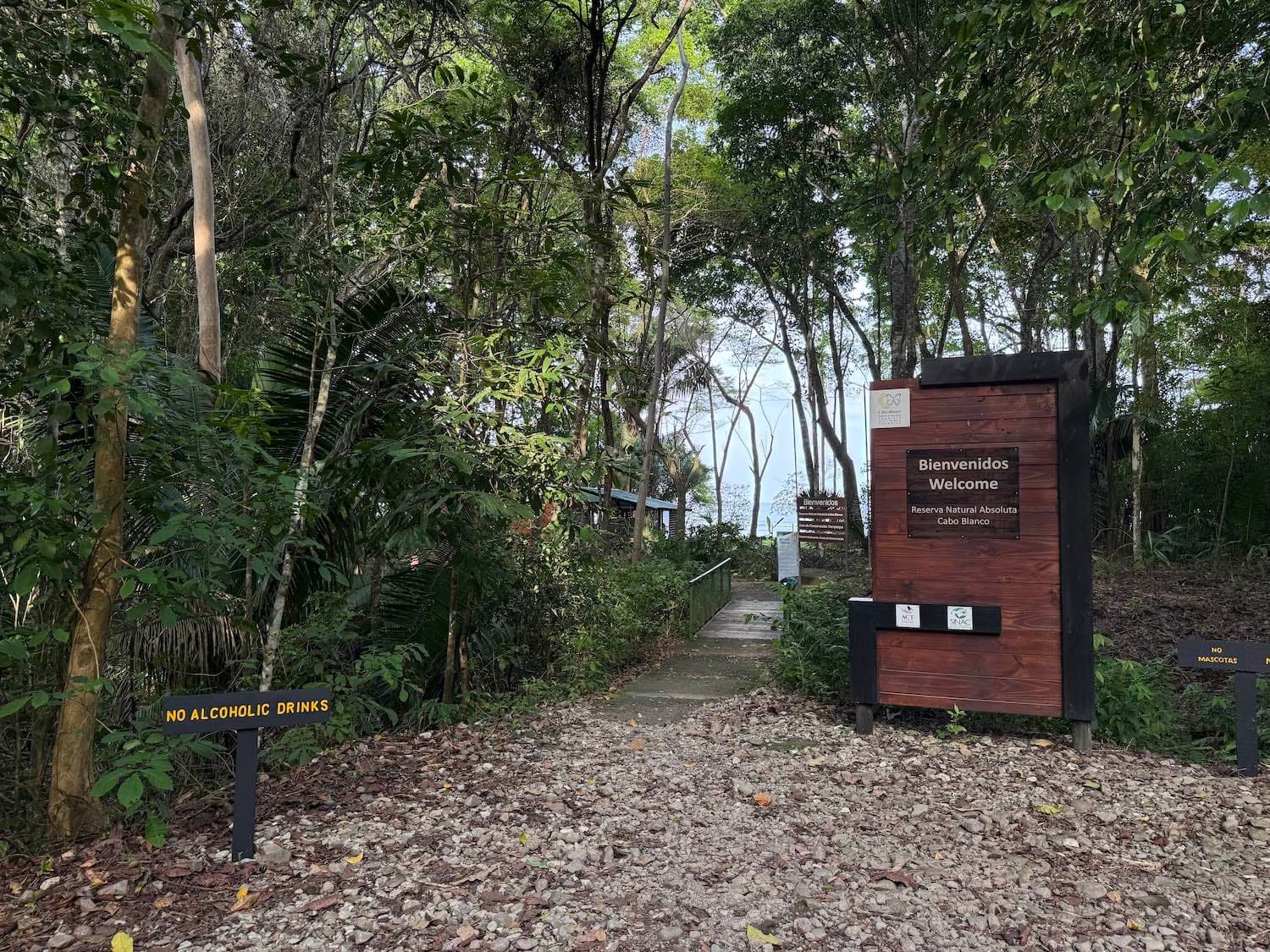
Imagine standing on a forest trail, waves crashing in the distance, monkeys calling overhead, and sunlight filtering through a canopy of towering trees. You’re not just in a beautiful place—you’re standing at the birthplace of Costa Rica’s conservation movement.
Welcome to Reserva Natural Absoluta Cabo Blanco, a place where wild beauty and history intertwine, and where the vision of two passionate pioneers forever changed the country’s relationship with its natural treasures.

A Vision Takes Root
In the early 1960s, the Nicoya Peninsula in Costa Rica was rapidly being cleared for cattle pastures. But two determined newcomers—Karen Mogensen, from Denmark, and her Swedish husband, Olaf “Nicolás” Wessberg—saw something different in the coastal forests near Montezuma and Malpaís.
Instead of timber and grazing land, they saw towering trees sheltering exotic wildlife, hidden beaches, and a fragile ecosystem worth protecting. Driven by their love for nature (and each other), they scraped together funds and, between 1960 and 1963, bought roughly 1,250 hectares of land at the peninsula’s southern tip.
With help from Scandinavian supporters, their dream became reality in 1963, when Cabo Blanco was officially declared Costa Rica’s first private nature reserve. In many ways, it was the spark that ignited Costa Rica’s now-famous network of national parks and protected areas.
The Meaning of “Reserva Natural Absoluta”
Cabo Blanco’s full name—Reserva Natural Absoluta Cabo Blanco—signals its strict level of protection. It’s one of the rare places in Costa Rica where nature takes precedence, and human activity is strictly controlled.
While some parts are open for hiking and exploration, vast stretches remain untouched to preserve delicate habitats. This careful balance helps protect biodiversity and allows visitors to witness nature at its wildest.



Exploring Cabo Blanco
Hiking the Trails
Two main trails invite you into Cabo Blanco’s green embrace:
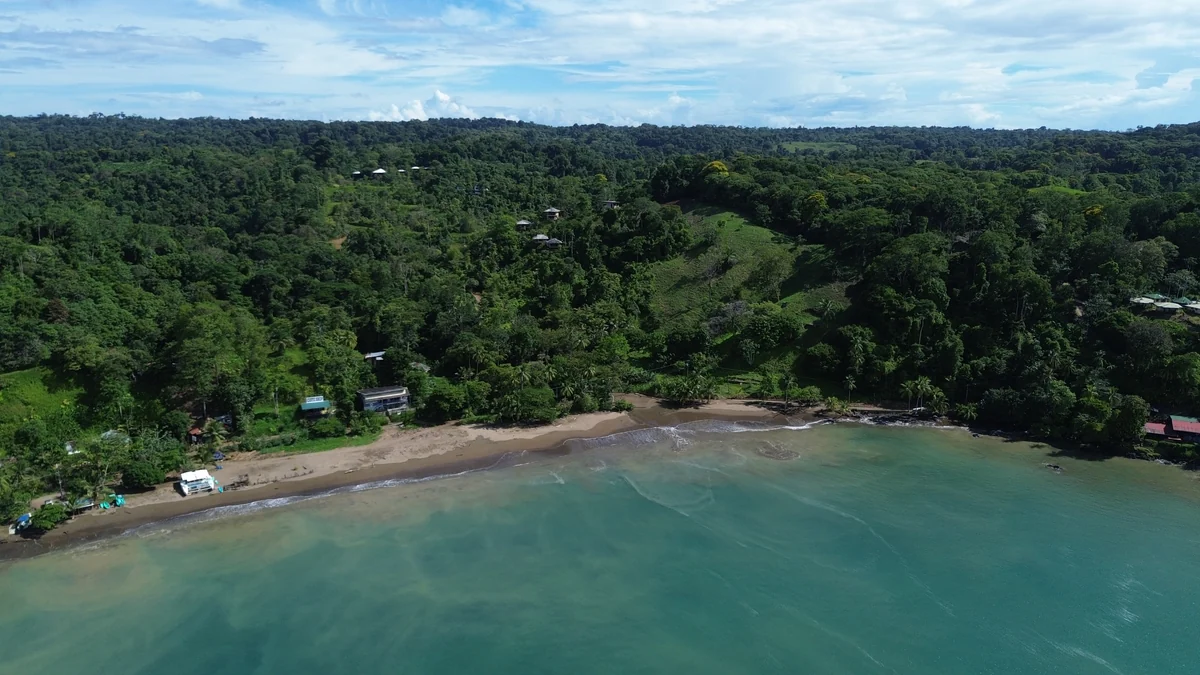
- Sueco Trail (Sendero Sueco): About 4 km each way, this challenging hike winds through dense forest and emerges at the breathtaking Playa Cabo Blanco. This secluded white-sand beach feels like the edge of the world, framed by turquoise waves and dramatic rock formations.
- Danés Trail (Sendero Danés): A shorter loop offering glimpses of wildlife and tropical forest without the longer trek to the beach.
Along either trail, keep your eyes peeled for:
- White-faced capuchin monkeys swinging in the trees
- Howler monkeys serenading the canopy
- Armadillos rustling in the underbrush
- Brightly colored trogons, motmots, and over 150 bird species
A Wildlife Wonderland
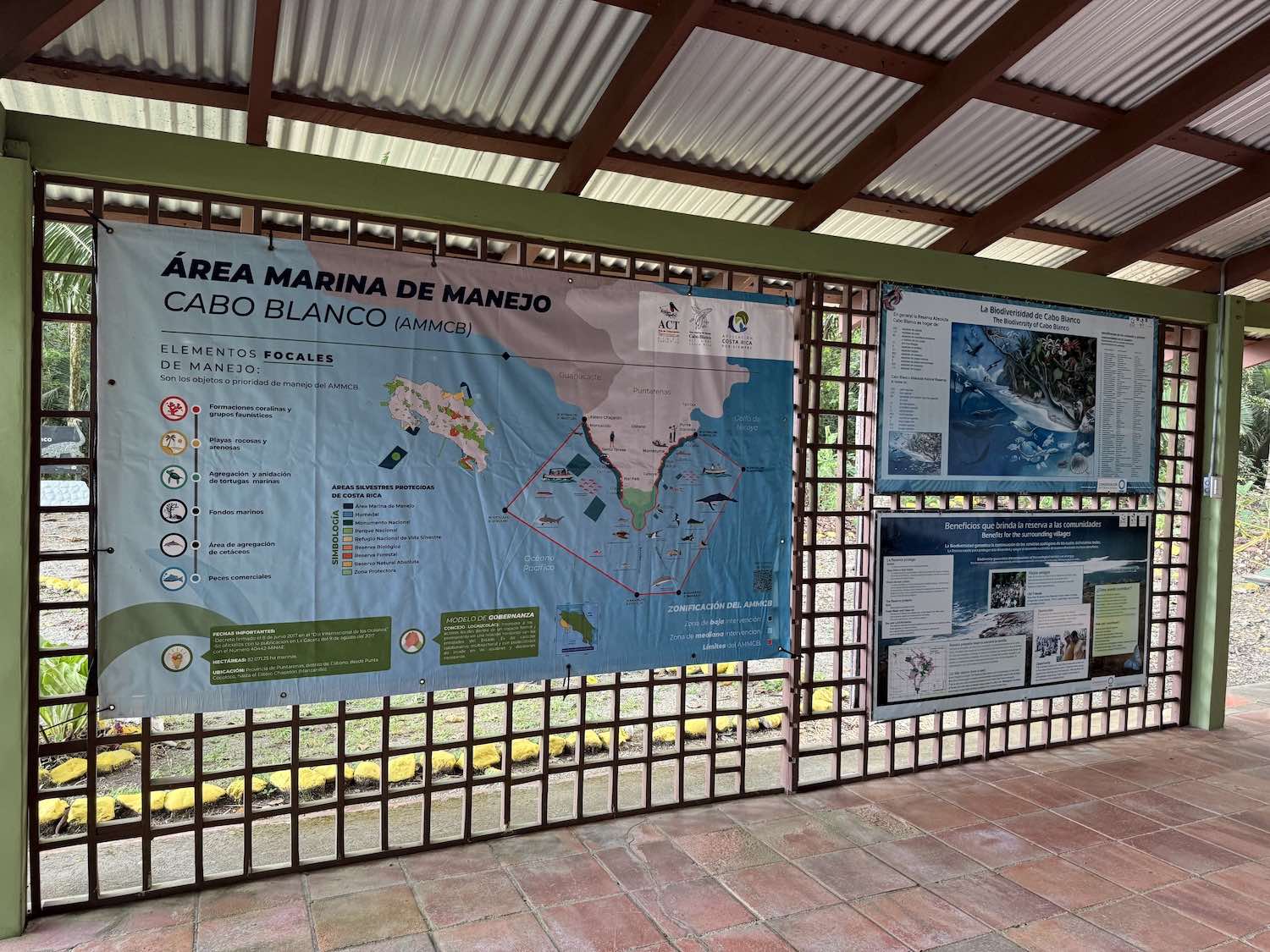
Cabo Blanco protects a unique blend of tropical moist forest and tropical dry forest, creating a rich mosaic of plant and animal life.
You might encounter:
- Coatis nosing through the leaf litter
- Deer tiptoeing across open paths
- Iguanas sunning on tree trunks
- Ocelots, margays, and other elusive cats move silently through the shadows
It’s this incredible biodiversity—and the chance of magical wildlife encounters—that makes Cabo Blanco so special.


The Ocean Connection
The “Blanco” in Cabo Blanco comes from the gleaming white guano covering the rocks just offshore.
These islands and coastal cliffs are vital nesting sites for seabirds like:
- Brown boobies
- Magnificent frigatebirds
- Pelicans
Standing on the beach and watching flocks wheel overhead is a reminder that Cabo Blanco protects not only forests but also vital marine habitats.

Practical Tips for Visiting
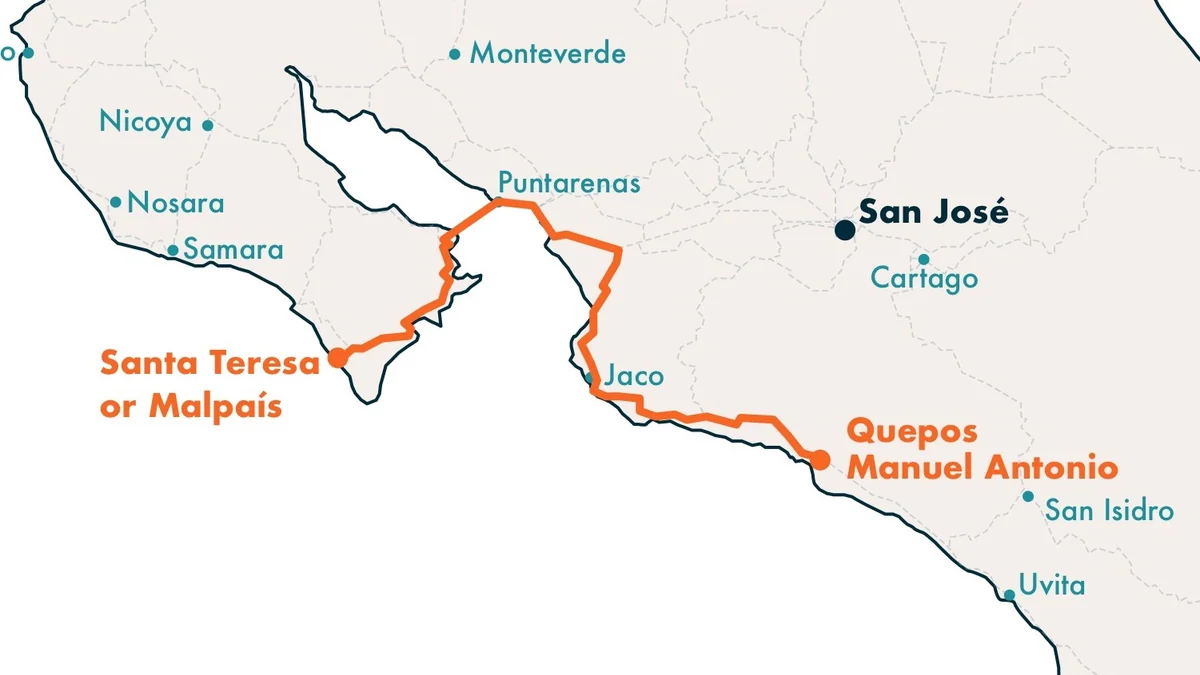
- Location: Cabo Blanco is situated at the southern tip of the Nicoya Peninsula, easily accessible from Montezuma, Malpaís, or Santa Teresa.
- Hours: Typically open Wednesday to Sunday, 8:00 am – 4:00 pm. Please note that hours are subject to change.
- Entrance Fees: A Modest fee for foreigners and nationals.
- Guides: Not mandatory but highly recommended for spotting wildlife and understanding the ecosystem’s secrets.
- Bring: Water, snacks, good walking shoes, insect repellent, and a swimsuit if you’re planning to swim at Playa Cabo Blanco.
- Difficulty: Trails can be hot and strenuous. The hike to the beach is a solid workout but incredibly rewarding.
The Legacy Lives On
More than 60 years after Karen and Nicolás first fell in love with this land, Cabo Blanco remains a living monument to their vision. Their pioneering work didn’t just save a beautiful corner of Costa Rica—it ignited a conservation movement that inspired the creation of dozens of national parks and protected areas across the country.
Walking through Cabo Blanco’s shaded trails, it’s hard not to feel a sense of gratitude. Every rustling leaf, every monkey call, is a testament to the idea that a few passionate people can change the fate of an entire landscape.
Why should you visit Reserva Natural Absoluta Cabo Blanco?
If you love:
- Hiking in pristine nature
- Stunning, hidden beaches
- Wildlife sightings away from tourist crowds
- Experiencing the roots of Costa Rica’s conservation story
…then Reserva Natural Absoluta Cabo Blanco deserves a top spot on your Costa Rican adventure.
Come discover the place where it all began—and see for yourself why Karen and Nicolás believed it was worth fighting for.
Frequently asked questions
The largest reserve in Costa Rica is the Guanacaste Conservation Area in the northwest of the country. It spans around 165,000 hectares (407,000 acres), encompassing several national parks (like Santa Rosa and Guanacaste National Park), wildlife refuges, and protected marine zones. It’s also a UNESCO World Heritage Site, renowned for its protection of tropical dry forests, rainforests, cloud forests, and coastal ecosystems.
At Cabo Blanco, you can:
- Hike scenic trails through tropical forest
- Spot wildlife like monkeys, coatis, deer, and exotic birds
- Visit the stunning white-sand Playa Cabo Blanco
- Learn about Costa Rica’s conservation history
- Enjoy birdwatching, especially near the coastal areas
- Relax in peaceful natural surroundings, away from crowds
It’s a paradise for nature lovers and hikers looking for an off-the-beaten-path experience.
Absolutely! Cabo Blanco is a must-see if you love pristine nature, wildlife, and quiet hiking trails. It’s historically significant as Costa Rica’s first private reserve and offers beautiful coastal views, secluded beaches, and a chance to spot diverse animal life. The hike can be challenging but rewards visitors with stunning scenery and tranquility.
The oldest national park in Costa Rica is Poás Volcano National Park, established in 1955. It protects the impressive Poás Volcano and its massive crater lake. However, in terms of private reserves and major conservation milestones, Cabo Blanco Absolute Nature Reserve (1963) holds the honor of being the country’s first private protected area.
No one lives permanently within the protected area of Cabo Blanco Reserve itself. It’s a strict nature reserve with no residential communities inside its boundaries. Nearby towns, like Montezuma, Malpaís, and Cabuya, have small local populations and serve as gateways for visiting the reserve.
Among the least visited is Juan Castro Blanco National Park near Ciudad Quesada. Despite its lush cloud forests, rivers, and volcanic peaks, it remains relatively unknown and has minimal infrastructure, making it a hidden gem for adventurous travelers seeking solitude.
Manuel Antonio National Park holds the title for Costa Rica’s most visited national park. Its mix of gorgeous beaches, dense rainforest, easy wildlife spotting (monkeys, sloths, iguanas), and accessible trails attracts thousands of visitors each year.
The largest national park in Costa Rica is La Amistad International Park. It covers over 401,000 hectares (990,000 acres) on the border with Panama, protecting vast areas of tropical rainforest, cloud forest, and diverse wildlife. It’s a UNESCO World Heritage Site shared between the two countries.
Cabo Blanco Absolute Nature Reserve was founded in the early 1960s by Danish conservationist Karen Mogensen and her Swedish husband Olaf “Nicolás” Wessberg. At the time, Costa Rica’s Nicoya Peninsula was rapidly losing its forests to cattle ranching and logging. The couple fell in love with the area’s natural beauty and, between 1960 and 1963, bought around 1,250 hectares of land to protect it.
Thanks to their tireless fundraising and advocacy, Cabo Blanco became Costa Rica’s first private nature reserve in 1963. It’s often considered the spark that ignited the country’s impressive national park system. Today, Cabo Blanco remains a symbol of grassroots conservation and a haven for wildlife.
Cabo Blanco sits at the southern tip of the Nicoya Peninsula on Costa Rica’s Pacific coast. It’s located near the small towns of Montezuma, Malpaís, and Cabuya, and is easily reached from popular beach destinations like Santa Teresa. The reserve protects a stunning mix of tropical forest and coastal landscapes, with trails leading to secluded beaches and ocean viewpoints.
This is a great clarification point:
- If you mean the nature reserve in Costa Rica, it hasn’t been the primary filming location for major international films, though it’s frequently featured in documentaries and Costa Rican nature programming because of its historical significance and wildlife.
- However, there’s also a Hollywood film titled “Cabo Blanco” (1980), starring Charles Bronson and Dominique Sanda. Despite the name, that movie was filmed in Mexico and California, not at Costa Rica’s Cabo Blanco Reserve. The film’s title refers to a fictional coastal town, not the Costa Rican reserve.
So the Cabo Blanco nature reserve in Costa Rica is not connected to the filming locations of the 1980 movie.