Planning your first trip to Costa Rica? You probably have a lot of questions — about safety, transportation, costs, weather, and where to go.
At Pura Vida Traveling, we help travelers navigate Costa Rica with ease — from getting around the country to finding the best tours, hotels, and restaurants. In this guide, we answer the most common questions first-time visitors ask, so you can plan confidently and make the most of your trip.
Let’s dive in!

General Costa Rica Travel Questions
Where is Costa Rica located?
Costa Rica is a small country in Central America, bordered by Nicaragua to the north and Panama to the south. It has coastlines on both the Pacific Ocean and the Caribbean Sea.
Despite its size, Costa Rica packs an incredible variety of ecosystems into a compact area — beaches, rainforests, cloud forests, volcanoes, and rivers — all within a few hours of each other.
What language is spoken in Costa Rica?
Spanish is the official language. However, English is widely spoken in tourist areas, especially in popular destinations like:
- La Fortuna
- Manuel Antonio
- Tamarindo
Learning a few basic Spanish phrases is appreciated, but you can absolutely travel comfortably without being fluent.
What does “Pura Vida” mean?
“Pura Vida” literally translates to “pure life,” but it’s much more than that. It’s a way of life.
It can mean:
- Hello
- Goodbye
- Thank you
- No problem
- Everything is good
You’ll hear it constantly — and by the end of your trip, you’ll probably be saying it too.
Entry & Airport Questions
Do I need a visa to visit Costa Rica?
Most travelers from the United States, Canada, the UK, and EU countries do not need a visa for stays up to 180 days.
You will typically need:
- A valid passport
- Proof of onward travel (exit ticket)
- Occasionally, proof of sufficient funds
Always verify requirements before departure, as immigration rules can change.
What airport should I fly into?
Costa Rica has two main international airports:
Juan Santamaría International Airport (SJO)
- Located near San José
- Best for visiting La Fortuna, Manuel Antonio, Monteverde, Tortuguero
Daniel Oduber Quirós International Airport (LIR)
- Located in Guanacaste
- Best for Tamarindo, Nosara, Playa Flamingo, and Nicoya Peninsula beaches
Choosing the right airport can save you several hours of travel time.
Money & Budget Questions
Is Costa Rica expensive?
Costa Rica is one of the more expensive countries in Central America.
Here’s a rough daily budget estimate:
- Backpacker: $40–70/day
- Mid-range traveler: $100–200/day
- Luxury traveler: $300+ per day
Popular destinations like Nosara and Tamarindo tend to be pricier, especially during high season.
What currency is used in Costa Rica?
The official currency is the Costa Rican Colón (CRC). However:
- US dollars are widely accepted
- Credit cards are accepted almost everywhere
- ATMs are easy to find in tourist areas
It’s helpful to carry small bills for local restaurants (“sodas”), taxis, and buses.

What are my transportation options in Costa Rica?
Transportation is one of the most frequently asked questions—and one of the most confusing for first-time visitors.
Rental car
Best for:
- Families
- Flexible itineraries
- Exploring remote beaches
A 4x4 is recommended for mountainous or rural destinations like Monteverde or parts of the Nicoya Peninsula, especially during the rainy season.
Shared or private shuttle
- Door-to-door service
- Comfortable and easy
- Great for solo travelers, couples, or groups (private shuttle)
Common routes include:
- San José to Manuel Antonio
- San José to La Fortuna
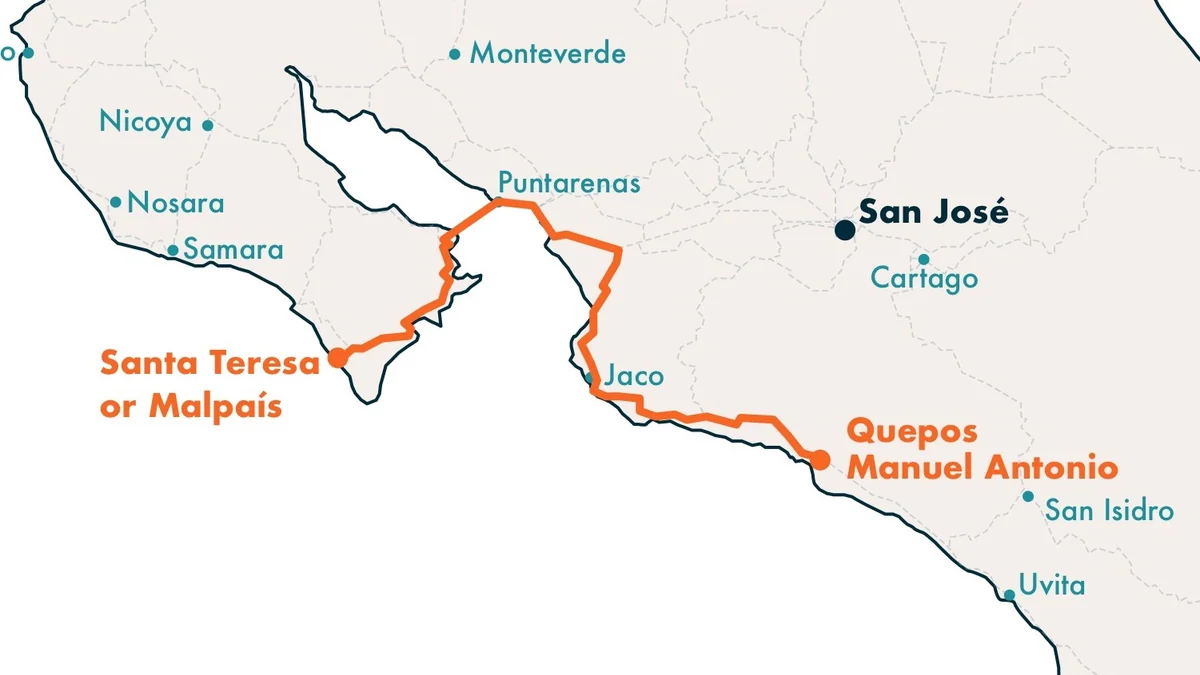
- Liberia to Santa Teresa
- Tamarindo to Santa Teresa
This is one of the easiest ways to travel without renting a car.
Public bus
- Cheapest option
- Slower
- May require transfers
Ideal for backpackers on a tight budget.
Domestic Flights
If you’re short on time, flying is fast and scenic. Airlines like Sansa Airlines connect destinations such as:
- San José
- Quepos
- Drake Bay
Flights can save hours compared to driving.
What is the best time to visit Costa Rica?
Costa Rica has two main seasons:
Dry Season (December–April)
- Sunny days
- Best beach weather
- Higher prices and more crowds
Green Season (May–November)
- Afternoon rain showers
- Fewer tourists
- Lower prices
- Lush, green landscapes
Destinations like Puerto Viejo de Talamanca on the Caribbean coast can experience weather patterns different from those on the Pacific side.
What animals will I see in Costa Rica?

Costa Rica is one of the most biodiverse countries on Earth. Common wildlife sightings include:
- Sloths
- Howler monkeys
- Capuchin monkeys
- Toucans
- Scarlet macaws
- Iguanas
Top wildlife destinations:
- Manuel Antonio National Park
- Corcovado National Park
- Tortuguero National Park
Can I drink the tap water?
In most major towns and tourist areas, yes.
However, in remote areas it’s sometimes better to ask locally. Bringing a reusable water bottle is encouraged to reduce plastic waste.
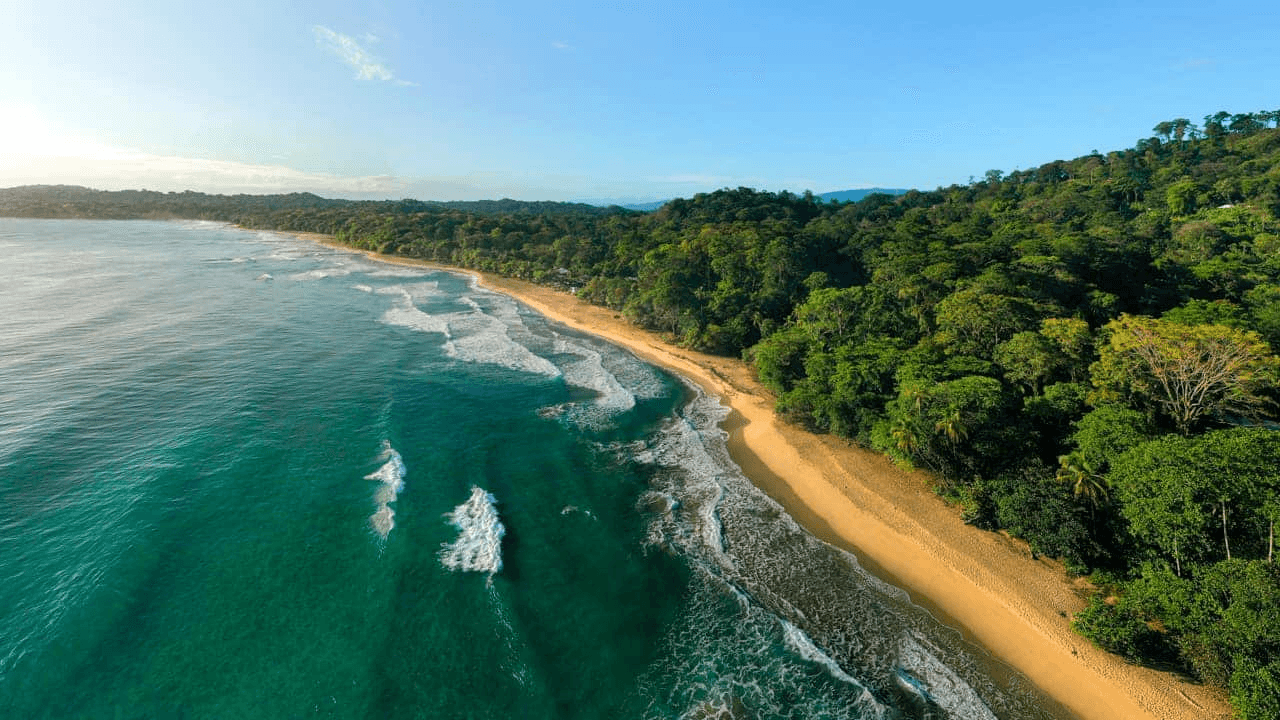
What are the must-visit places in Costa Rica?
Arenal & La Fortuna
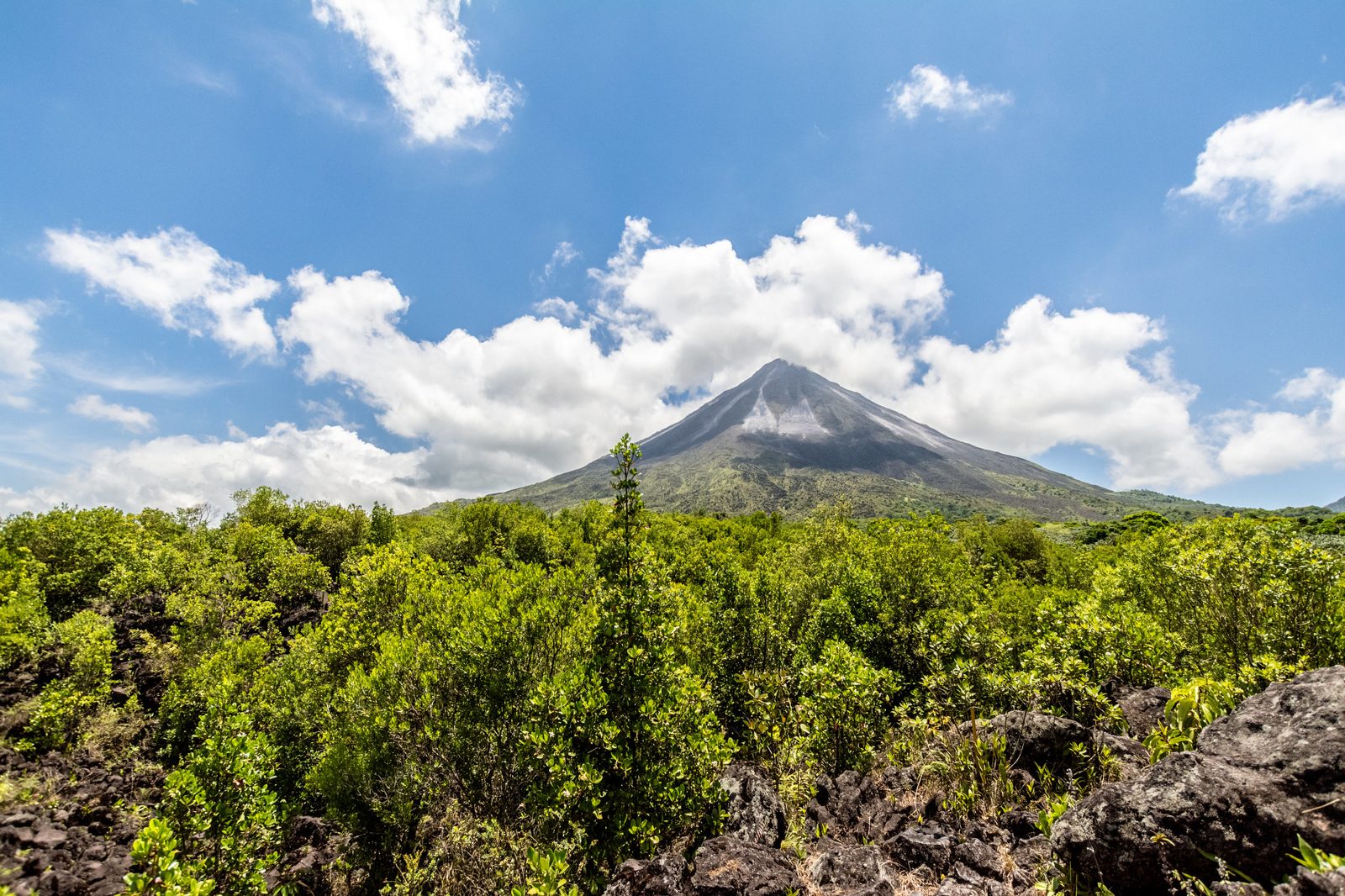
Home to Arenal Volcano, hot springs, waterfalls, and adventure tours.
Manuel Antonio
Beaches + wildlife inside a compact national park.
Monteverde
Cloud forests, hanging bridges, ziplining.
Tortuguero
Sea turtle nesting and jungle canals.
Tamarindo
Surfing, sunsets, nightlife.
Is Costa Rica good for families?
Yes. It’s:
- Safe
- Easy to navigate
- Full of educational wildlife experiences
- Packed with adventure activities
Kids love hanging bridges, chocolate tours, beach days, and wildlife spotting.
Is Costa Rica good for backpackers?
Absolutely. Popular backpacker spots:
- Santa Teresa
- Puerto Viejo
- Tamarindo
Public buses and hostels make budget travel manageable.
Is Costa Rica good for solo travelers?
Yes. Costa Rica is friendly, safe, and full of group tours — making it easy to meet other travelers.
Practical Planning Questions
How many days do I need in Costa Rica?
Minimum recommended: 7 days. Ideal: 10–14 days. Costa Rica looks small, but travel times can be longer than expected due to mountain roads and weather conditions.
Do I need travel insurance?
It’s highly recommended — especially if you plan on doing adventure activities like rafting, ziplining, or ATV tours.
What should I pack for Costa Rica?
Essentials:
- Lightweight clothing
- Rain jacket (even in the dry season)
- Swimsuit
- Hiking shoes
- Reef-safe sunscreen
- Bug spray
- A pair of binoculars
Higher elevation areas like Monteverde can be cooler at night.
Costa Rica Made Simple
Costa Rica is one of the most rewarding destinations in the world — but planning your first trip can feel overwhelming.
With so many destinations, transportation options, and adventure tours, it’s easy to get confused. That’s exactly why we created Pura Vida Traveling — to help you:
- Figure out the best way to get from one place to another
- Compare buses, shuttles, rental cars, and domestic flights
- Discover the best tours and activities
- Find trusted restaurants and hotels
- Travel confidently, whether you’re a backpacker, family, or solo explorer
Costa Rica doesn’t have to be complicated.
Plan smart. Travel slow. Embrace the wildlife. And most importantly…
Pura Vida!
Frequently asked questions
Costa Rica does not require mandatory vaccinations for most travelers coming from North America or Europe. However, routine vaccines (like tetanus and hepatitis A) are generally recommended. If you’re arriving from certain South American or African countries, a yellow fever certificate may be required.
Mosquitoes can be present, especially during the rainy (green) season and in humid areas near beaches or jungles. Using insect repellent and wearing light long sleeves in the evenings helps reduce bites.
Most visitors can legally drive in Costa Rica using their valid foreign driver’s license for the duration of their tourist visa. An international driver’s permit is usually not required but can be helpful as a backup.
During high season (December–April and July), popular tours such as national park entries, rafting, ziplining, and hot springs can sell out several days in advance. It’s recommended to book at least a few days ahead — and even earlier during holidays like Christmas or Easter.
Public buses require cash in colones. Shared shuttles, private transfers, and domestic flights can typically be paid by credit card when booked in advance.
Many beaches are safe for swimming, but some have strong currents or rip tides. It’s important to pay attention to warning flags and ask locals about conditions before entering the water.